
Hemochromatosis, or iron overload, causes the body to store excess iron, increasing the risk of liver disease and other complications.
The body cannot excrete excess iron, so it stores it in certain organs, notably the liver, heart, and pancreas, which can lead to organ damage. Damage to the pancreas can cause diabetes.
Without treatment, excess iron can also turn the skin a bronze color.
With treatment, people with hemochromatosis generally have a positive outlook. Treatments may include drawing blood to reduce the body’s iron levels and making dietary changes to reduce iron intake.
This article discusses the types, causes, symptoms, and treatment of hemochromatosis.
A note about sex and gender
Sex and gender exist on spectrums. This article will use the terms “male,” “female,” or both to refer to sex assigned at birth. Learn more.
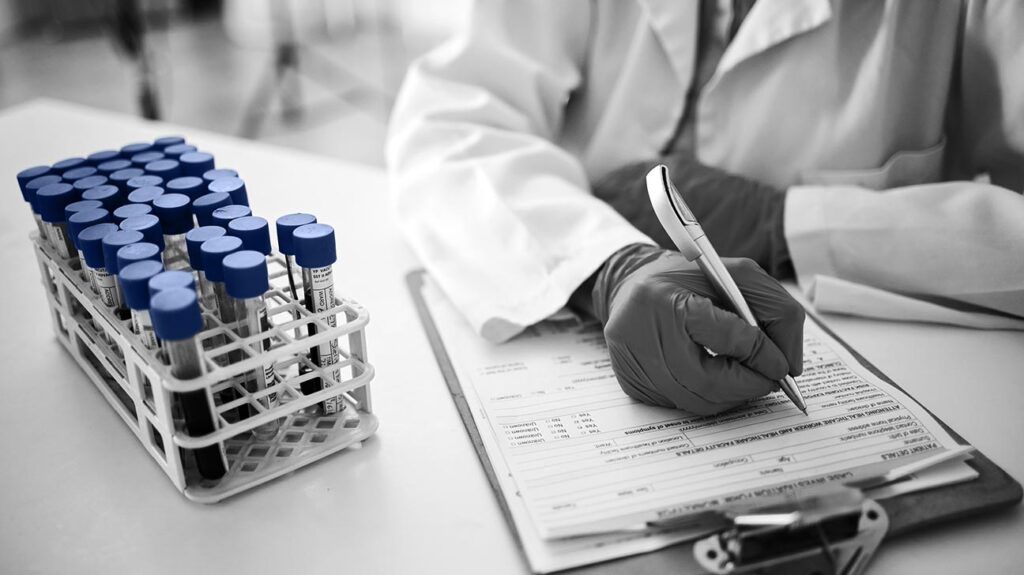
In a healthy body, when the stores of iron are sufficient, the intestines reduce the absorption of this mineral from food and drink to prevent its levels from rising too high.
People with iron overload absorb more iron than usual from food or supplements. The body cannot excrete the extra iron fast enough, so it continues to build up. The body
There are several types of iron overload disorder. Hereditary hemochromatosis is a primary condition that has a genetic component. People can also have secondary hemochromatosis, which develops as a result of another disease or condition.
There are several types of iron overload disorder, each with different causes.
Primary hemochromatosis: A genetic mutation
Hereditary hemochromatosis, which people may also refer to as primary or classic hemochromatosis, is one of the most common genetic conditions in the United States. Not everyone with the condition experiences symptoms.
This condition mostly affects white people. According to a
Hereditary hemochromatosis occurs due to a mutation in a gene called HFE. This gene controls the amount of iron that the body absorbs. There are over 100 identified mutations in the HFE gene that can lead to hereditary hemochromatosis. Two possible mutations in the HFE gene are C282Y and H63D.
In the U.S.,
Some people inherit one C282Y mutation and one H63D mutation. A small proportion of these people will develop hemochromatosis symptoms. Inheriting two copies of H63D is rare, and research has not yet confirmed whether this may increase the risk of hemochromatosis.
Secondary hemochromatosis: The result of a condition
Secondary hemochromatosis occurs as the result of:
- taking too many iron supplements
- receiving a high number of blood transfusions
- having a condition where red blood cells are not formed efficiently
Conditions that can lead to secondary iron overload include:
Juvenile hemochromatosis
Juvenile hemochromatosis is an inherited condition that results from defects in a gene called HJV. Iron builds up earlier in life, and symptoms typically appear before the age of 30.
Symptoms include diabetes, problems with sexual development, and heart abnormalities. Without treatment, juvenile hemochromatosis can cause serious, life threatening complications.
Neonatal hemochromatosis
Neonatal hemochromatosis affects fetuses and newborns. It is associated with liver disease that is the result of iron buildup in the liver and other parts of the body. In severe cases, this can lead to stillbirth. Most infants with neonatal hemochromatosis shows signs within the first 48 hours after birth.
The following risk factors may increase a person’s likelihood of having hemochromatosis:
- Genetic factors: Having two copies of a faulty HFE gene is the main risk factor for hereditary hemochromatosis. The person inherits one copy of the mutated HFE gene from each parent. H refers to high, and FE means iron.
- Family history: A person with a parent, child, brother, or sister with hemochromatosis may be more likely to have it.
- Gender: Iron overload affects both males and females, although it may have a
less significant effect on females. The reason for this is that most females regularly lose blood during menstruation, and blood loss reduces iron levels.
The signs and symptoms of iron overload are often mild, and in
Signs usually do not appear on average until the
If the condition advances, the main symptoms
- chronic fatigue
- weakness
- joint pain
- abdominal pain
- irregular heartbeat
- a loss of libido, or sex drive
- hypogonadism, which means the reduction in the production of hormones in the testes or ovaries
In time, the following conditions may develop:
- arthritis
- liver disease or cirrhosis (permanent scarring) of the liver
- enlargement of the liver
- diabetes
- hypothyroidism
- heart disease
- pancreatitis
Hemochromatosis can be difficult to diagnose from the symptoms as these can overlap with the symptoms of other conditions. A healthcare professional may refer a person to a hepatologist (a liver specialist) or a cardiologist (a heart specialist).
Some tests can help doctors diagnose hemochromatosis. These include blood tests, liver tests, MRI scans, and genetic testing.
Two different types of blood tests can detect iron overload, even before symptoms appear.
The serum transferrin saturation test measures the amount of iron bound to transferrin — a protein that carries iron in the blood. Saturation values of
The serum ferritin test measures the amount of iron that the body has stored. Knowing these levels helps a healthcare professional diagnose a person and monitor them during treatment.
Doctors need to perform both blood tests, and they may need to repeat them for increased accuracy, as other conditions can also raise ferritin levels.
These are not routine blood tests, and they are typically only performed if someone has a parent, child, or sibling with hemochromatosis. However, they may also be used in people with anemia, blood loss, malnutrition, liver disease, and other conditions.
However, people may also undergo these tests if they have any of the following signs, symptoms, and conditions:
- diabetes
- elevated liver enzymes
- erectile dysfunction
- extreme tiredness
- heart disease
- joint disease
In people who consume excessive amounts of alcohol or those who have had many blood transfusions or hepatitis C, the results of these blood tests may suggest iron overload.
These additional tests can help confirm a diagnosis of hereditary hemochromatosis:
- genetic testing can determine whether the person carries the HFE gene.
- MRI scans to check iron levels in the liver
- a liver biopsy can determine iron levels in the liver and reveal any cirrhosis or other damage, but this test is less common
If a person receives early diagnosis and treatment, they usually have a typical life expectancy. They should have regular blood tests, though, and treatment typically continues for life.
There are several treatments for iron overload.
Phlebotomy
Phlebotomy, or venesection, is a regular treatment to remove iron-rich blood from the body.
Usually, this will need to take place weekly until levels return to normal. When iron levels build up again, the person will need to repeat the treatment.
How much blood is taken, and how often, depends on:
- the person’s age and sex
- the person’s overall health
- the severity of the iron overload
Healthcare professionals may remove
Phlebotomy cannot reverse cirrhosis, but it can improve symptoms, such as nausea, abdominal pain, and fatigue. It may also improve heart function and joint pain.
Chelation
Iron chelation therapy involves taking oral or injected medication to remove excess iron from the body. Medications can include a drug that binds the excess iron before the body excretes it.
Although doctors do not tend to recommend this as a first-line treatment for hemochromatosis, it may be suitable for some people.
Hemochromatosis diet
Dietary changes to limit iron intake can help reduce symptoms and lower iron levels. Dietary changes can include:
- avoiding supplements that contain iron
- avoiding supplements that contain vitamin C, as this vitamin increases iron absorption
- reducing iron-rich and iron-fortified foods
- avoiding uncooked fish and shellfish
- limiting alcohol intake, as this can damage the liver
Without treatment, an accumulation of iron can lead to health complications, such as:
- cirrhosis
- a higher chance of liver cancer relating to cirrhosis or hemochromatosis
- diabetes and associated complications
- congestive heart failure, if too much iron builds up in the heart and the body cannot circulate enough blood
- irregular heart rhythms, or arrhythmias, leading to chest pain, palpitations, and dizziness
- endocrine problems, such as hypothyroidism or hypogonadism
- arthritis, osteoarthritis, or osteoporosis
- bronze or gray skin due to the deposits of iron in skin cells
Other complications can include depression, gallbladder disease, and some cancers.
According to the Iron Disorders Institute, some autopsies have revealed that people with neurodegenerative diseases — such as Alzheimer’s disease, multiple sclerosis, and epilepsy — had problems with iron levels in the brain.
Hemochromatosis, or iron overload, involves excess levels of iron building up in the body. Without treatment, the condition can cause serious complications, and it can be life threatening.
People can have a typical life expectancy with treatment, especially with early diagnosis and effective management.