
Vitamin B1 or thiamin is essential for glucose metabolism and nerve, muscle, and heart function. People may need supplements if their diet does not provide enough B vitamins, during hemodialysis, and for other reasons.
Also known as thiamine or thiamin, vitamin B1 is a water-soluble vitamin, as are all vitamins of the B complex. It enables the body to use carbohydrates as energy.
Water-soluble vitamins travel through the bloodstream. If the body does not use the vitamins, it excretes them in urine.
Daily vitamin B1 intake requirements may depend on someone’s age and sex. However, the
This article examines foods that contain thiamin, its benefits, signs of a deficiency, side effects, and more.
In the United States, people consume
The following foods are a source of vitamin B1.
Proteins
Some sources of protein that contain vitamin B1 include:
- pork
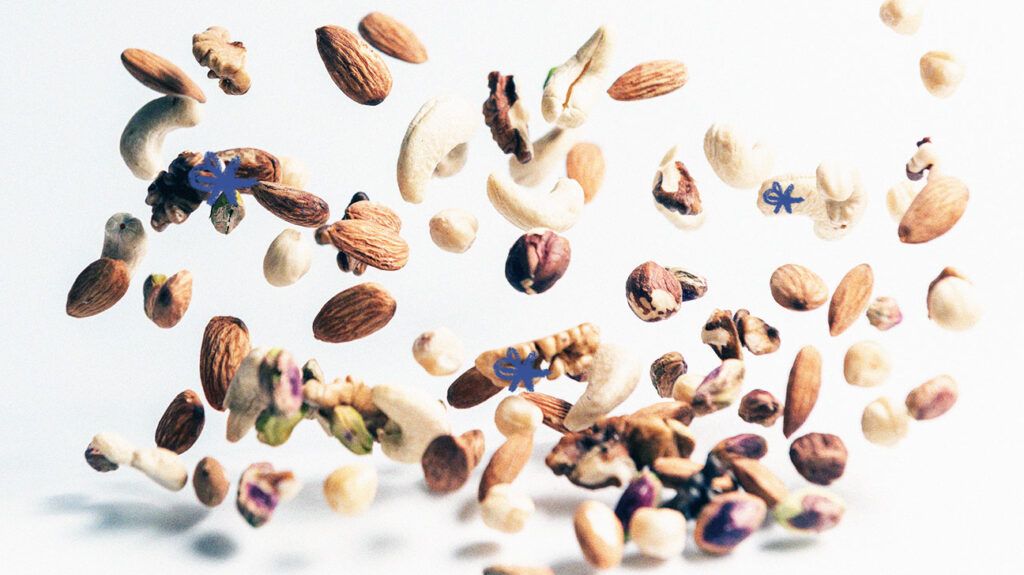
- nuts
- eggs
- trout
- black beans
Fruits and vegetables
Fruits and vegetables that contain vitamin B1 include:
Grains
Grain options that contain vitamin B1 include:
- the outer layers and germ of cereals
- whole grains
- pulses
- breakfast cereals fortified with vitamin B1
- products made with enriched white flour or white rice
The NIH notes that one serving of fortified breakfast cereal provides
Unenriched white rice will contain only one-tenth of the thiamin available in brown rice.
One slice of whole wheat bread contains 0.1 mg or 8% of the daily requirement.
Cooking
Heating, cooking, and processing foods and boiling them in water destroys thiamin. As vitamin B1 is water-soluble, it dissolves into cooking water.
Humans need a
Vitamin B1 helps prevent complications in the:
- nervous system
- brain
- muscles
- heart
- stomach
- intestines
It is also involved in the flow of electrolytes into and out of muscle and nerve cells.
A vitamin B1 deficiency can
Uses in medicine
People who may require thiamin to treat low levels of vitamin B1 include those with peripheral neuropathy, an inflammation of the nerves outside the brain.
People with ulcerative colitis, persistent diarrhea, and poor appetite may also require thiamin. Someone in a coma may require thiamin injections.
Thiamin supplements may also
- malabsorption syndrome
- severe, prolonged vomiting
- gastric bypass surgery
- renal replacement therapy
- hyperthyroidism
People who are pregnant, lactating, or use diuretics may also benefit from vitamin B1 supplements.
A vitamin B1 deficiency
- cardiovascular symptoms, including an enlarged heart or tachycardia
- difficulty breathing
- muscle weakness
- seizures
- vomiting
- anorexia
- swelling
Who is at risk of B1 deficiency?
People
- pregnancy
- chronic illness
- inadequate dietary intake
- alcoholism
- bariatric surgery
- chronic diuretic therapy
Prolonged, untreated thiamin deficiency may lead to Wernicke-Korsakoff syndrome, a disorder that
People with Wernicke-Korsakoff syndrome and those who are withdrawing from alcohol may receive thiamin injections to help them recover.
Older adults and people with diabetes may also have a higher risk of developing a vitamin B1 deficiency.
All B vitamins are water-soluble. They help to convert carbohydrates, fats, and protein into energy, or glucose.
B vitamins are
According to the United Kingdom’s National Health Service (NHS), thiamin may cause the following side effects:
- nausea
- stomach ache
- diarrhea
Symptoms of an allergy may also occur, including difficulty breathing, facial or throat swelling, confusion or dizziness, and a tight throat. People with these symptoms should seek emergency care.
The U.S.
They call on the public to seek a physician’s advice on improving their health rather than self-diagnosing.
Interactions
The chemotherapy drug fluorouracil (Adrucil) may interact with thiamin. People should speak with a doctor before introducing vitamin B1 supplements into their diet.
Certain foods and drinks may also contain enzymes called thiaminases, which
- tea
- coffee
- raw fish
- shellfish
Below are some common questions about thiamin.
What does vitamin B1 do?
Vitamin B1 supports the nervous system and helps the body turn food into energy. It is
What are the symptoms of low vitamin B1?
A vitamin B1 deficiency may cause the following symptoms:
- weight loss
- confusion
- short-term memory loss
- an enlarged heart
- muscle weakness
What foods are high in vitamin B1?
Food sources for thiamin include:
- cereals fortified with vitamin B1
- pork
- fish, including trout, tuna, and mussels
- black beans
- whole grains
People require vitamin B1 as a regular part of their diet to support vital bodily functions. A thiamin deficiency may lead to symptoms such as confusion, muscle weakness, and heart problems.
Doctors may recommend thiamin supplements for people who are unable to get adequate amounts through their diet.
People should speak with their doctor if they experience symptoms of a vitamin B1 deficiency.