
Research suggests Rhodiola rosea (rhodiola) may help with reducing stress, treating anxiety and depression, and improving mental and physical performance. However, more research is necessary to confirm these benefits.
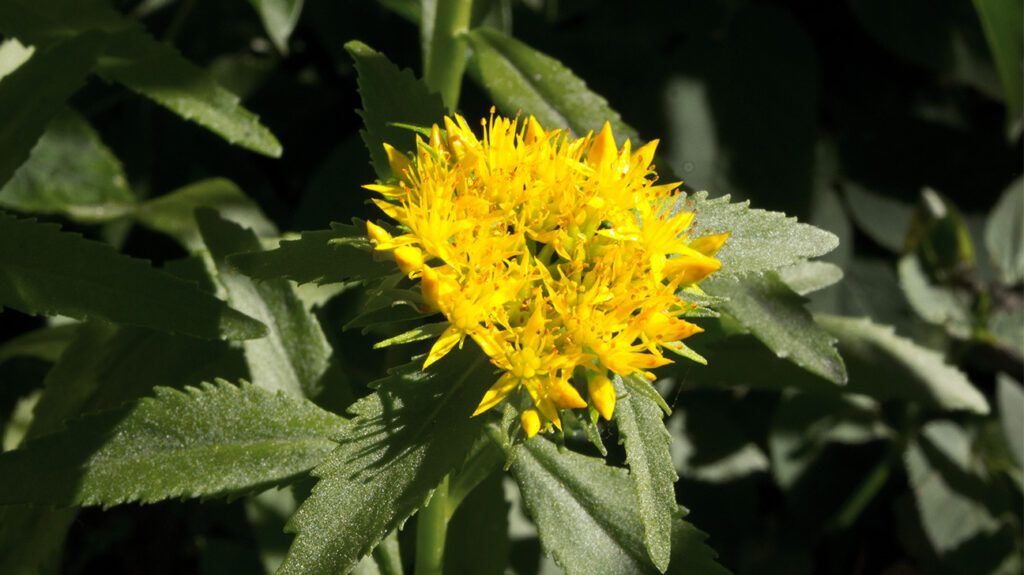
Rhodiola is a flowering herb that grows in cold, high-altitude regions of Europe and Asia. Other names for it include arctic root, golden root, king’s crown, and rose root. In Traditional Chinese Medicine, it is called “Hong Jing Tian.”
Practicioners of traditional medicine have used rhodiola for many years, claiming it
This article discusses some recent research into potential health benefits of rhodiola.
A note on complementary and alternative medicine
While some forms of complementary and alternative medicine (CAM) have proven health benefits, the
Rhodiola is an “adaptogen” — a substance that can help the body adapt to stress.
A
Researchers have suggested that rhodiola influences the levels and activity of the stress-response system, including neurotransmitters and endorphins.
Although rhodiola is a promising treatment for symptoms of stress, more research is necessary to determine how people may benefit from it.
Some people take rhodiola to improve cognitive abilities, such as memory and concentration.
According to the
A
Doctors often prescribe antidepressants to treat depression and anxiety. However, many people experience side effects that may outweigh the benefits of these medications.
In a 2020 study, people with mild to moderate depression took either:
- one sertraline (Zoloft) and two placebo capsules
- one sertraline and one rhodiola capsule
- one sertraline and two rhodiola capsules
After 12 weeks, both groups taking rhoidola capsules experienced greater improvement in depression scores than the group taking placebos. The group taking two rhodiola capsules experienced the greatest improvement overall.
The authors concluded that rhodiola may be a safe and effective alternative for people unable or unwilling to use prescription antidepressants. It may also be useful to take rhodiola and an antidepressant at the same time.
Some people take rhodiola supplements to improve physical performance.
A
- reduced pain and muscle damage
- improved skeletal muscle damage
- reduced oxidative stress due to rhodiola’s antioxidant properties
- improved explosive power (the ability to produce a maximum amount of force in a short amount of time)
- no adverse reactions
This research suggests that rhodiola may be beneficial for athletic performance. However, more research is necessary to confirm this.
Rhodiola is available in many forms, including:
- capsules
- tablets
- dried powder
- liquid extract
The dosage and amount of extract varies between brands and product types.
Because the Food and Drug Administration (FDA) regulates herbs and supplements as food, not drugs, it is not always clear how much of each ingredient manufacturers include in the product or how much to take. There may also be issues with quality or purity.
Although some studies list the dosages the researchers administered to test for specific purposes, people may take the herb in different strengths for different uses.
It is best to follow the manufacturer’s instructions when taking rhodiola, and to avoid exceeding the stated dose.
According to Mental Health America (MHA), rhodiola rarely causes side effects. However, in some people, it may cause:
- agitation
- anxiety
- headache
- insomnia
- allergy
- irritability
- increased blood pressure
- chest pain
It is unclear whether rhodiola is safe for people to take during pregnancy or when breastfeeding.
Rhodiola may be safe for children aged 8 to 12 years to take in small doses. A person can consult a doctor or a qualified herbalist for advice.
Drug interactions
MHA suggests that rhodiola may interact with the following medications:
- monoamine oxidase inhibitors (MAOIs), which people may take for depression
- antibiotics
- antianxiety medications
- antidepressant medications
- birth control pills
- diabetes medication
- thyroid medication
- blood thinning medications
Some promising research suggests people may try using rhodiola to improve mental and physical performance, reduce symptoms of depression and anxiety, and reduce stress and stress-induced health conditions.
Large studies confirming these benefits in humans are lacking. However, the herb’s low risk of side effects makes it an attractive option for people looking to improve their health in these specific areas.
As with any supplement, it is best for people to speak with a doctor before taking rhodiola.