
Dry needling and acupuncture both involve puncturing the skin with thin needles for therapeutic purposes. While their shared aim is often pain relief, acupuncture currently has more support in research.
Practitioners of dry needling attempt to release tension from knots and pressure points in muscles. Traditionally, acupuncture aimed to align a person’s energy, or chi.
While researchers have studied acupuncture as a complementary treatment for many conditions, dry needling is a newer practice and has less extensive supporting research.
In this article, learn more about the differences between these practices and what their benefits may be.
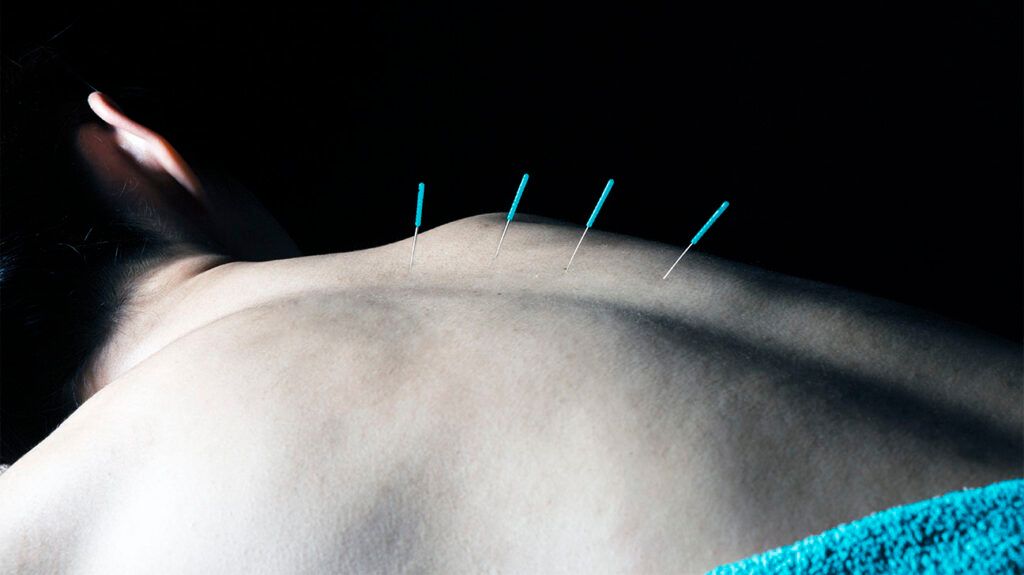
These practices share some similarities, and practitioners may market both as providing therapeutic relief from pain. However, their methods are different, and the research supporting them may vary.
Acupuncture techniques
Traditionally, acupuncture’s
In contrast, dry needling is a more recent practice, and its regulation in physical therapy varies from state to state.
Dry needling
According to a
A practitioner inserts short, thin, stainless steel filiform needles into trigger points, which are tight areas or knots in the muscles. The needles are the same as acupuncture needles, although some manufacturers may rebrand them as “dry needling needles.”
Sports therapists, acupuncturists, and physical therapists may perform dry needling. Dry needling uses the same needles as acupuncture, but physical therapists cannot meet the licensing requirements to practice acupuncture.
Regulations and guidelines for dry needling may vary across states because some states, such as those with high populations and advocacy groups for acupuncture, may recognize dry needling as a type of acupuncture.
A practitioner may leave a filiform needle in the muscle for
What the research says
A 2023 umbrella review included information from 36 systematic reviews on dry needling for musculoskeletal pain.
The authors conclude that dry needling is more effective at managing musculoskeletal pain than no treatment or a sham treatment.
However, they suggest that it is not more effective than other therapies, including other needling techniques or physical therapy, for short-term pain management. More research is necessary to understand the mid and long-term effects.
They suggest that dry needling’s effects may vary depending on the body region and found no conclusive evidence that it could improve range of motion.
The authors state that dry needling may be most beneficial alongside other treatments, but more research is necessary, and healthcare professionals need to standardize practice guidelines.
Acupuncture is an ancient technique that
Medical acupuncture involves a professional using thin needles of varying lengths to stimulate nerves in the muscles and under the skin. Acupuncture needles are the same dry needling needles.
Researchers do not know exactly how acupuncture works to benefit health, but some theories suggest the stimulation leads to inflammatory changes that may cause hormonal changes or manipulate the body’s immune response.
In 1996, the FDA
Before receiving a license, a new practitioner must complete thousands of training hours, complete a masters degree in acupuncture, and take national board examinations.
What the research says
Healthcare professionals
According to the
- back pain
- neck pain
- osteoarthritic pain
- postoperative pain
- joint pain associated with aromatase inhibitors
The NCCIH also suggests there is evidence that acupuncture may help to relieve nausea and vomiting due to cancer treatment, urinary incontinence in females, and nasal symptoms of seasonal allergies.
However, it is worth noting that quality of evidence in this research may vary, and acupuncture is not necessarily superior to other treatment options.
Anyone interested in trying acupuncture should speak with a doctor about finding a licensed acupuncturist. A doctor may also suggest other treatments to help with the person’s specific issue.
Complications of acupuncture
According to the 2023 umbrella review, dry needling is a safe and effective technique when a trained physiotherapist applies it. However, people may experience mild side effects at the site of application, including:
- pain
- bleeding
- bruising
A 2020 study highlights that infection and injury to internal body parts are also possible with dry needling, as well as people fainting during the process.
The authors suggest that dry needling and acupuncture carry the same risk of adverse events, although there is significantly more research into safety and adverse events due to acupuncture.
Training differences
When assessing the risks of these procedures, people may also wish to consider the differences in training requirements.
Licensed acupuncturists complete a masters degree, thousands of clinical supervised hours, and must pass a national board certification before practicing acupuncture.
In contrast, physical therapists may do as little as a weekend course in dry needling, or 27 to 72 hours of needle training before administering the techniques to people. Some states may not allow dry needling at all.
The
The AMA believes that non-physicians who perform dry needling should have similar training, certification, and continuing education standards as licensed acupuncturists.
This position is due to the association between dry needling, medical risks, and the lax regulation and nonexistent standards surrounding the practice. Minimally educated practitioners can cause extreme harm to patients.
Both dry needling and acupuncture aim to relieve muscle aches, pains, and tightness.
Acupuncture is a well-regulated procedure. Needles are inserted at strategic points to stimulate the flow of energy throughout the body. While some evidence is inconclusive, acupuncture may offer benefits for certain ailments, such as pain.
Dry needling is a much more recent practice with inconsistent regulations. Some evidence suggests dry needling may help with pain, particularly in the short term, but more research is necessary.
Before trying dry needling or acupuncture, consult a doctor and research available practitioners.