
Maca is a Peruvian plant that may have health benefits, such as boosting libido, energy, fertility, or improving mood. However, the evidence so far is limited.
Maca originates in the Andes mountains. It is a common ingredient in Peruvian cooking that gives dishes an earthy flavor. Among Indigenous communities, it is also a part of some traditional ceremonies.
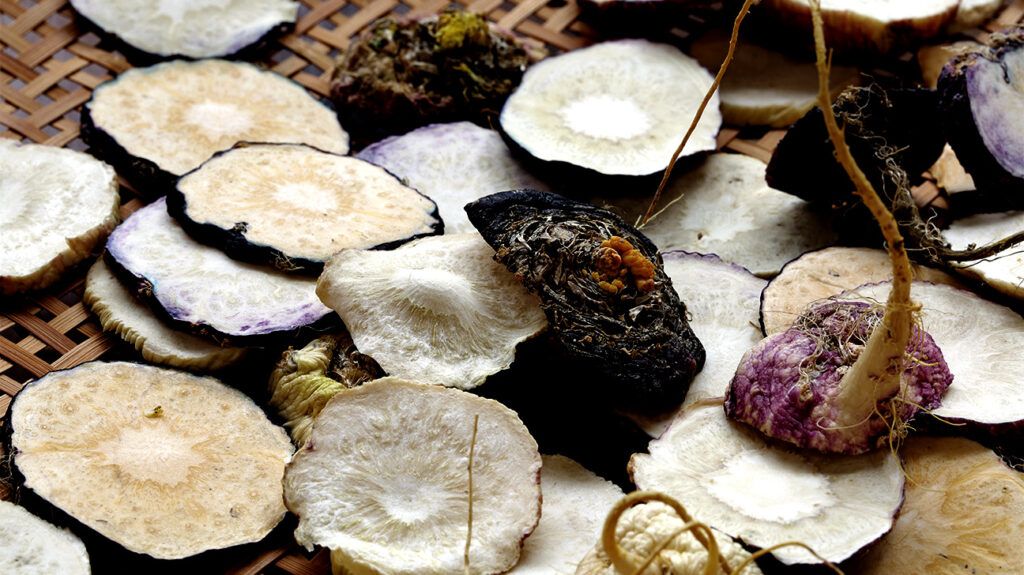
Maca is a cruciferous vegetable, meaning that it is in the same family as broccoli, cabbage, and kale. People can grind the maca root plant into a powder and add it to meals or smoothies, while some also take it as a supplement.
This article will discuss the possible health benefits of maca root.
One of the most common health claims about maca root is that it increases libido.
An
Another
However, these studies were small, and a 2018 review of past research says that despite the claims, there is currently insufficient evidence to say with certainty that maca root increases libido reliably.
Maca root could have benefits for people with erectile dysfunction (ED).
A 2023 randomized, double-blind trial found that consuming gelatinized maca root helped reduce ED in people with late onset hypogonadism in comparison to a placebo after 12 weeks.
However, this study was also small, with a total of 80 participants split into a treatment group and a placebo group. Therefore, more research is necessary to confirm the findings.
Some athletes and bodybuilders use maca root as a supplement to increase energy and performance. Some evidence exists to support this.
A placebo-controlled crossover study found that black maca supplementation can positively affect the muscular performance of elite female adolescent handball players engaging in high intensity activity.
However, the sample size of this research was very small, so more research is necessary to verify the results.
Another widespread use of maca root is to increase fertility, particularly in males.
One randomized, double-blind, placebo-controlled
However, it did not find statistically significant results, and the researchers called for more studies in this area.
Maca contains flavonoids, which some health experts believe can improve mood and reduce anxiety.
A 2024 review of studies noted
Researchers in another
A 2024 review of studies explains that one traditional use for maca in Peru is to lower systolic blood pressure. However, few human trials have looked into this.
A small 2014 pilot study of Chinese postmenopausal women found that maca significantly decreased diastolic blood pressure. Again, though, this was a small trial. Larger studies are necessary to confirm if maca helps with high blood pressure across a wider spectrum of people.
Some older animal studies highlighted in a
For example, one study found that applying creams containing varying levels of maca root extracts to mice led to less skin thickening.
These results may not necessarily apply to humans, so more thorough research is necessary before scientists can draw a firm conclusion on this benefit.
Maca root may promote the production of antioxidant enzymes in the body, such as glutathione peroxidase and superoxide dismutase.
Antioxidants help fight off free radicals, which can damage cells in the body. Some research suggests antioxidants
Scientists do not know much about how maca affects the body or its potential risks.
Studies on maca root often give moderate doses (approximately 2 to 3 grams per day) for 3 months or less. However, Research on the long-term effects is lacking.
Additionally, maca may cause mild gastrointestinal side effects. It is also unclear whether it interacts with any medications.
Because health experts know relatively little about how maca may interact with other health conditions, drugs, or other substances, it is important to speak with a doctor before trying maca root.
Maca has a range of potential health benefits, particularly for sexual health. However, the evidence behind these health benefits is weak, as many studies used small sample sizes or animal models.
Researchers need to carry out more large-scale studies in humans to determine if maca is effective. Although there are few known health risks relating to taking maca, people need to speak with a healthcare professional before trying it.