
Vaseline is not safe for use as a lubricant. It can damage latex condoms and increase the risk of infection and unintended pregnancy. It is better to use a water or glycol-based lubricant.
People might want to use Vaseline as a sexual lubricant because it has a soft and smooth texture. Vaseline does not get sticky or dry out, which — in theory — also makes it a good lubricant option.
However, it is not advisable to use Vaseline as a sexual lubricant. This article explains why and lists some alternatives to use.
A note about sex and gender
Sex and gender exist on spectrums. This article will use the terms “male,” “female,” or both to refer to sex assigned at birth. Learn more.
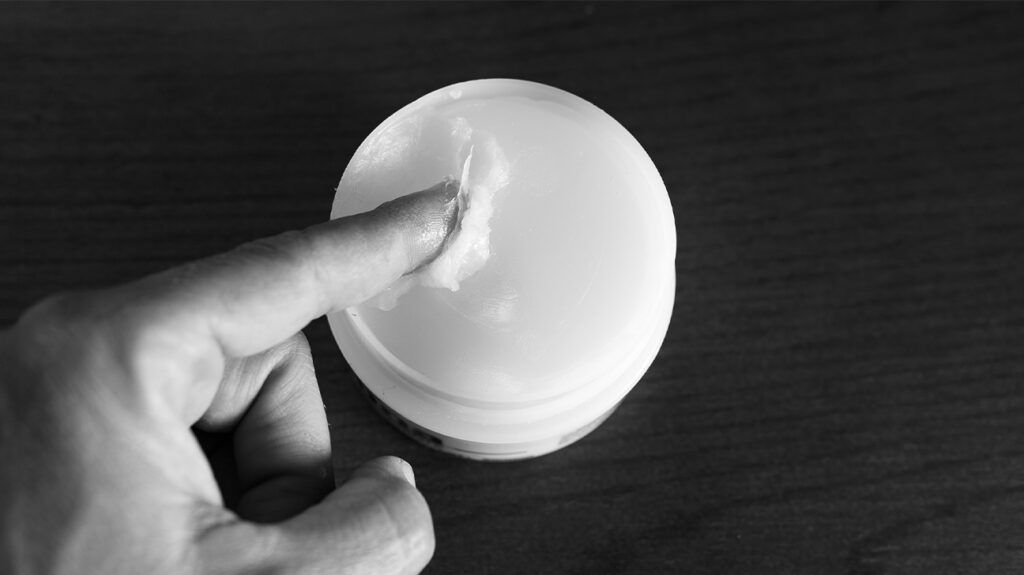
People should not use Vaseline as a sexual lubricant.
Unintended use
Vaseline’s creators did not design the product for sexual lubrication: According to the product’s health and safety warning, Vaseline is suitable for “external use only.” Its creators neither designed nor marketed Vaseline as a sexual lubricant.
Damaging condoms
Vaseline can also damage condoms. People planning to use latex condoms should not use Vaseline as a lubricant. Oil-based substances, such as petroleum jelly, can weaken latex products. A weakened condom is more likely to break or tear during sex, which may increase the risk of infection or unintended pregnancy.
Infection risk
Vaseline may increase the risk of infection. In an older
Lubricants can enhance sexual health and well-being by decreasing friction.
Friction during sex is not only uncomfortable, but it can result in the lining of the vagina or anus tearing. These tears can put people at higher risk of sexually transmitted infections.
The following sections look at some safer alternatives to Vaseline.
Although using Vaseline might decrease friction during sex — fulfilling the functional role of a lubricant — it is not the most effective lubricant, especially when a person uses it alongside a condom.
People looking for better alternatives to Vaseline might want to consider sticking to products that manufacturers specifically design as lubricants. These include:
Water-based lubricant
Water-based lubricants are safe and typically well-tolerated. They can help relieve discomfort from vaginal dryness and carry a lower risk of condom breakage than oil-based products.
Silicone-based lubricants
Silicone-based lubricants are
However, silicone-based lubricants may cost more than lubricants that contain water. They also do not wash away when a person rinses them with water, which can make cleaning up a challenge.
Glycol-based lubricant
Glycol is a humectant that many manufacturers add to water-based lubricants. Propylene glycol serves as the main ingredient in many warming lubricants.
However, glycol-based lubricants dry out quickly and potentially cause yeast infections.
Some people may recommend using certain natural products as lubricants. However, in many cases, these are unsafe for use.
People should avoid using the following household and natural products as sexual lubricants:
- oils, such as baby oil, cooking oil, and plant oil
- dairy products, such as butter
- cosmetic products, such as face and body creams
- burn ointment
- hemorrhoid cream
- petroleum jelly
People should never use Vaseline as a sexual lubricant. Vaseline can damage latex condoms, trap bacteria that can lead to an infection, and stain clothing and bedsheets.
Instead of Vaseline, people may want to consider choosing a high quality, water-based lubricant. Manufacturers specifically design these products to enhance sexual pleasure without damaging condoms.