
Tea tree oil is a popular remedy, albeit with limited scientific backing. Its reported benefits include reducing oiliness and relieving dryness.
This essential oil comes from the leaves of a species of tree called Melaleuca alternifolia, which grows in Australia.
In this article, we cover the uses, benefits, and risks of tea tree oil for the skin.
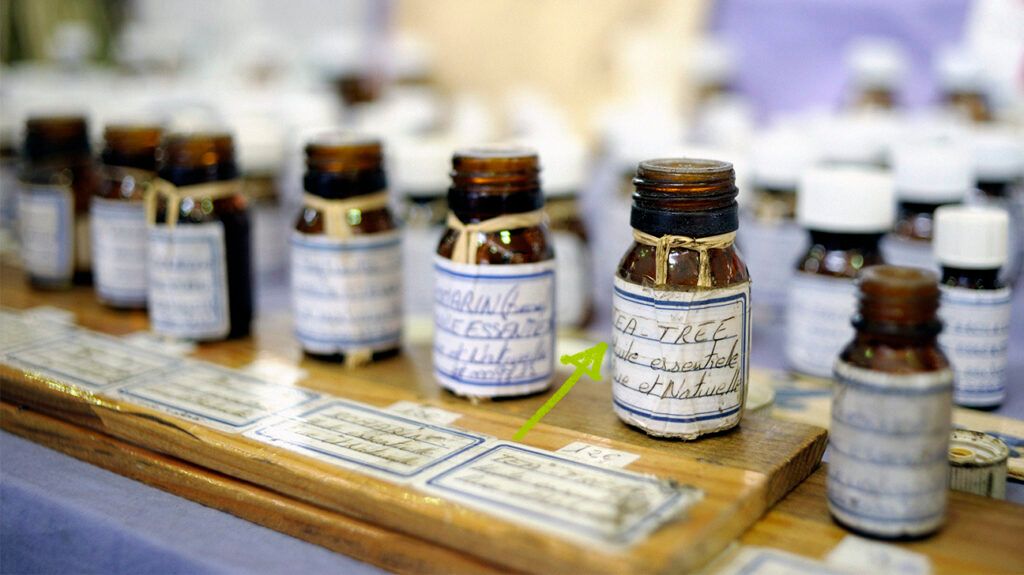
Using tea tree oil for the skin may help with a variety of conditions. We cover some of these in the sections below.
Acne
Due to its antibacterial and anti-inflammatory properties, tea tree oil may help treat acne.
A
People may still find it effective, and its topical application typically carries little risk.
Oily skin
A
Several other, albeit older, studies found similar outcomes, as highlighted in a
Itching
As a result of its anti-inflammatory effects, tea tree oil may also help reduce itchy skin.
Wound healing
Due to its antibacterial properties, tea tree oil
While tea tree oil and its extracts may have anti-inflammatory, antifungal, and antibacterial properties, further research is necessary to fully assess their potential role in wound healing.
Never take tea tree oil orally, as ingesting it can result in serious health issues. Only ever apply it to the skin.
Tea tree oil is an ingredient in many products, including ointments, mouthwashes, lotions, and skin care creams. It is also available as a pure essential oil. Most commonly, it is available in a 5% concentration, but higher concentrations are also available.
Apply tea tree oil to the skin after diluting it with a carrier oil or moisturizer. Diluting tea tree oil decreases the risk of skin irritation. It is also important to avoid applying the oil too close to the eyes, as exposure to the eyes may cause irritation and redness.
According to the
Side effects are more likely to occur when using the oil in higher concentrations. They include:
- skin irritation
- dryness
- flaking
- rash
- itching
As with any product, an allergic reaction is also possible. Before using tea tree oil on the skin, it is best to do a patch test to make sure that it will not cause irritation.
Using tea tree oil for the skin can offer several benefits. For example, it may help treat certain skin conditions, including acne, itching, and oily skin. It may also promote wound healing.
Although most people tolerate tea tree oil well at low concentrations, it can also lead to side effects, including skin irritation.
If signs of an allergic reaction develop, such as a rash or itching, discontinue use immediately.
People with preexisting skin conditions and those who are pregnant or chestfeeding should talk with their healthcare provider before using tea tree oil.