
COVID rebound is when COVID-19 symptoms return soon after they go away or a person registers a positive COVID-19 test result after testing negative for several days.
COVID rebound can happen in people who received antiviral drugs for COVID-19 but also in those who did not. Usually, the symptoms are mild and only last
There is no evidence of a link between COVID rebound and any serious complications. However, if the symptoms differ from the initial illness or are more persistent, people should contact a doctor.
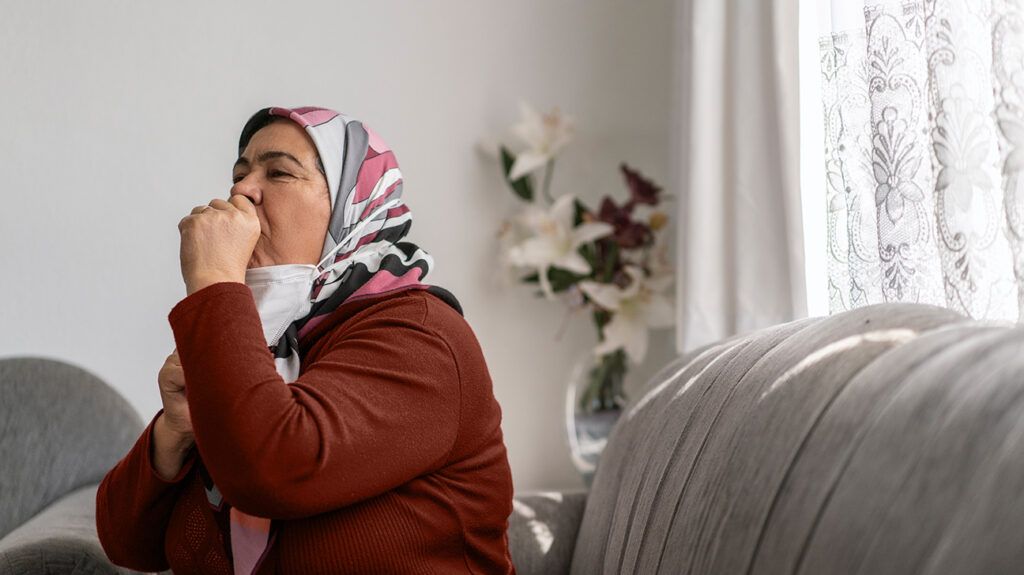
COVID rebound is the return of COVID-19 symptoms or a positive COVID-19 test between
Some people experience COVID rebound after having antiviral treatment for COVID-19, but it can happen to anyone. Usually, the relapse is short-lived.
COVID rebound does not appear to be dangerous. According to a news article in the
Optum Perks is owned by RVO Health. By clicking on this link, we may receive a commission. Learn more.
Generally, people with COVID rebound start feeling better for between
In a
- a cough, affecting 44%
- fatigue, affecting 35%
- headache, affecting 35%
However, in theory, COVID rebound could include any of a person’s original COVID-19 symptoms,
- fever or chills
- body aches
- sore throat
- cough
- shortness of breath
- loss of taste or smell
- runny or blocked nose
- nausea or vomiting
- diarrhea
- rashes
According to the Centers for Disease Control and Prevention (CDC), COVID rebound usually only lasts
However, it may take some people longer to fully recover from COVID-19 than others.
Yes, potentially. A CDC health advisory states that people who experience COVID rebound should isolate for another 5 days wherever possible. After 5 days, they can stop isolation if they have had no fever for 24 hours and symptoms are improving.
For 10 additional days after rebound symptoms begin, people should use hygiene practices such as wearing a mask, particularly if they need to be near others.
Neither the presence of symptoms nor COVID-19 tests are reliable indicators of whether a person is still contagious. People with no symptoms can still transmit the virus.
Conversely, people still getting positive tests toward the end of the illness may not be shedding the virus as much anymore, meaning they are less likely to transmit it.
This uncertainty is the reason why people still need to follow guidance for self-isolation wherever possible to prevent the spread of COVID-19 to vulnerable people.
A COVID-19 reinfection occurs when a person has recovered from COVID-19 but gets it again after exposure to the virus that causes it.
While COVID rebound and reinfection can seem very similar,
COVID rebound develops within days of feeling better, but it is unlikely that a reinfection would develop this soon. The
Reinfections are more likely to occur when a person’s immunity begins to decline, which can take months from the date of the last infection or vaccine.
If a person’s symptoms return
Long COVID refers to a group of ongoing symptoms that occur after having COVID-19. Sometimes, these symptoms appear after a person starts to feel better. This is similar to COVID rebound.
Because of this similarity, people may worry they have long COVID rather than COVID rebound. However, there are some differences.
Unlike COVID rebound, long COVID can range from mild to severe. A person’s symptoms may also differ from thise they experienced during the initial illness.
Fatigue, brain fog, and adverse reactions to exercise are
The main difference between the two complications is duration. COVID rebound does not last a long time, whereas long COVID can last weeks, months, or longer.
If a person’s symptoms are mild and start to improve in a few days, they may have COVID rebound. Anyone experiencing new, unusual, or persistent symptoms should consult a doctor.
Because COVID rebound is usually mild and short term, it may not require treatment.
According to a CDC health advisory, there is currently no evidence to suggest people who took antivirals need more antivirals if they experience COVID rebound.
As a result, resting at home, staying hydrated, and taking steps to make symptoms less uncomfortable may be all a person needs. Some strategies that may ease discomfort include:
- taking over-the-counter (OTC) pain medications for headaches, body aches, or fever
- using nasal decongestants to relieve a stuffy nose
- drinking warm drinks or sucking throat lozenges to soothe a sore throat
- trying a teaspoon of honey for a cough
Not all of these remedies are safe for everyone. Do not give honey to children under 12 months old, and always check the label before taking OTC medications.
People should call a doctor right away if they develop any of the following after COVID-19:
- new swelling, such as in the tonsils
- pain in the face or around the eyes
- a bad taste in the mouth
- symptoms that get progressively worse
- symptoms that do not respond to OTC medications
Call 911 or the local emergency department if a person develops:
- difficulty breathing
- pain or pressure in the chest
- pale, gray, or blue lips or nails, depending on skin tone
- a fever that lasts more than 5 days or does not reduce with fever medications
- any fever in a child under 3 months old
- new confusion
- a stiff neck
- a rash that does not disappear under a glass
- coughing up blood
- difficulty staying awake
- seizures
Notify the operator that the person may have COVID-19 before visiting in person.
COVID rebound occurs when a person’s COVID-19 symptoms come back within a week of feeling better, or they register a positive test again after testing negative.
Scientists are not yet sure why this happens, but current research suggests that the symptoms of COVID rebound are usually mild and typically go away in several days.
People can rest and take OTC medications to treat the symptoms of COVID rebound. However, anyone with new, unusual, or severe symptoms should seek medical help.