Key takeaways
- Emflaza (deflazacort) is a brand-name drug prescribed for Duchenne muscular dystrophy in adults and some children. It’s typically taken once per day.
- This medication comes in both oral tablet and oral liquid suspension forms, with varying strengths available to allow for tailored dosing. Your doctor will determine your dosage based on your body weight.
- It’s important to adhere to the prescribed dosage and discuss any side effects, like anxiety, with a doctor. Stopping Emflaza suddenly can lead to withdrawal symptoms, so if you need to stop taking the drug, your doctor will lower your dose slowly over time.
Emflaza belongs to a drug class called corticosteroids. It’s a prodrug, which means it becomes active after your body breaks it down. Emflaza isn’t available in a generic version.
Note: This article describes the typical dosages for Emflaza provided by the drug’s manufacturer. When taking Emflaza, always follow the dosage prescribed by your doctor.
In this section we describe what forms Emflaza comes in, as well as its strengths and typical dosages.
Emflaza forms
Emflaza is available as an oral tablet and an oral liquid suspension.
Emflaza strengths
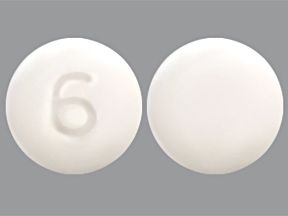
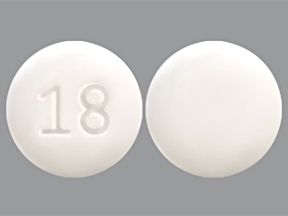
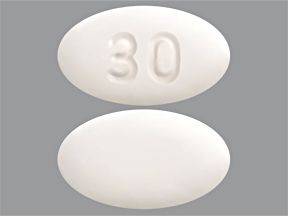
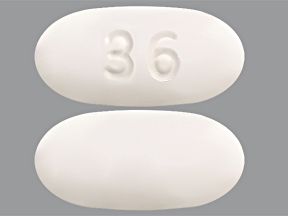
Emflaza oral tablets come in four strengths:
- 6 milligrams (mg)
- 18 mg
- 30 mg
- 36 mg
The oral liquid suspension form of Emflaza comes in one strength of 22.75 mg per milliliter (mg/mL).
Typical dosages for Duchenne muscular dystrophy
Because Emflaza’s dosing is based on a person’s body weight in kilograms (kg), there is no “typical” dosage for Emflaza. (For reference, 1 kg equals about 2.2 pounds [lb].)
Emflaza’s dosage is 0.9 mg/kg of body weight, taken once per day. Your doctor will use this formula to determine your dose. (The same formula is used to determine the dosage for children and adults.) Your doctor will ultimately prescribe the smallest dosage that provides the desired effect.
The following chart shows examples of possible dosages of Emflaza tablets based on body weight:
| Body weight – lb | Body weight – kg | Dosage | Tablet dosage |
|---|---|---|---|
| 25 lb | about 11 kg | 9.9 mg | two 6-mg tablets once per day |
| 70 lb | about 32 kg | 28.8 mg | one 30-mg tablet once per day |
| 140 lb | about 64 kg | 57.3 mg | two 30-mg tablets once per day |
Note: Dosage is rounded up based on available tablet strength. For the oral liquid suspension, dosage is rounded up to the nearest 1/10th of an mL.
Children’s dosage
Emflaza is approved by the Food and Drug Administration (FDA) for treating Duchenne muscular dystrophy in children ages 2 years and older. The dosage for children is determined using the same formula as the dosage for adults. (See the previous section for details.)
Long-term treatment
Emflaza is meant to be a long-term treatment. If you and your doctor determine this drug is safe and effective for you, you’ll likely take it long term.
The following are answers to some commonly asked questions about Emflaza and dosage.
Will my doctor adjust my dosage if I have anxiety as a side effect?
Anxiety is a possible side effect of Emflaza and other steroid medications. This side effect wasn’t reported during Emflaza’s clinical trials, but has been reported since the drug came on the market.
If you develop anxiety while taking Emflaza, talk with your doctor. They may decide to lower your dose or can recommend ways to help you manage this side effect.
Is there a dosage calculator for Emflaza?
The recommended dosage of Emflaza is 0.9 mg per kg of body weight, taken once per day. You don’t need to calculate your own dosage. Your doctor will determine the best dosage for you. Talk with them if you have any questions.
The Emflaza dosage your doctor prescribes will depend on several factors. These include:
- the form of Emflaza you take
- your body weight, which may change over time
- other medications you take
- other medical conditions you may have
Emflaza should be taken once per day with or without food. The tablets should be swallowed whole. If you have difficulty swallowing Emflaza tablets, you can crush them and mix the crushed tablets with applesauce just before swallowing.
Do not take Emflaza with grapefruit juice. Grapefruit products may increase your risk of side effects from Emflaza.
If your doctor prescribes Emflaza oral liquid suspension:
- Shake the bottle well.
- Use the oral dispenser that comes with Emflaza to measure your dose.
- You may mix your dose with 3 to 4 ounces of juice (except for grapefruit juice) or milk and immediately drink it.
- The suspension expires 30 days after opening it. Throw away any leftover Emflaza after this time.
Try to take your Emflaza doses around the same time each day to help maintain a steady level of the drug in your system. (This helps the drug to work effectively.) If you miss a dose of Emflaza, take it as soon as you remember. If you have questions about a missed dose, talk with your doctor or pharmacist.
To help make sure that you don’t miss a dose, try using a medication reminder. This can include setting an alarm or using a timer. You could also download a reminder app on your phone.
It’s important that you do not take more Emflaza than your doctor prescribes. For some medications, taking more than the recommended amount may lead to side effects or overdose.
If you take more than the recommended amount of Emflaza
Call your doctor right away if you believe you’ve taken too much Emflaza. Another option is to call America’s Poison Centers at 800-222-1222 or use its online tool. If you have severe symptoms, immediately call 911 or your local emergency number, or go to the nearest emergency room.
Emflaza, like other steroid drugs, may cause withdrawal symptoms if you stop taking it abruptly. Symptoms of withdrawal include:
- fatigue
- fever
- headache
- joint pain or muscle pain
- loss of appetite
- nausea and vomiting
- weight loss
If you need to stop taking Emflaza, your doctor will likely taper your dosage. This means you’ll take a smaller amount of Emflaza for a while, rather than stopping it completely.
If you have questions about stopping Emflaza, talk with your doctor.
Disclaimer: Medical News Today has made every effort to make certain that all information is factually correct, comprehensive, and up to date. However, this article should not be used as a substitute for the knowledge and expertise of a licensed healthcare professional. You should always consult your doctor or another healthcare professional before taking any medication. The drug information contained herein is subject to change and is not intended to cover all possible uses, directions, precautions, warnings, drug interactions, allergic reactions, or adverse effects. The absence of warnings or other information for a given drug does not indicate that the drug or drug combination is safe, effective, or appropriate for all patients or all specific uses.