
Prescription drug prices are a major concern for people, healthcare professionals, and policymakers. Even for those with insurance, out-of-pocket costs can still be high. Several factors contribute to the high cost of prescription drugs, but there are potential ways to save.
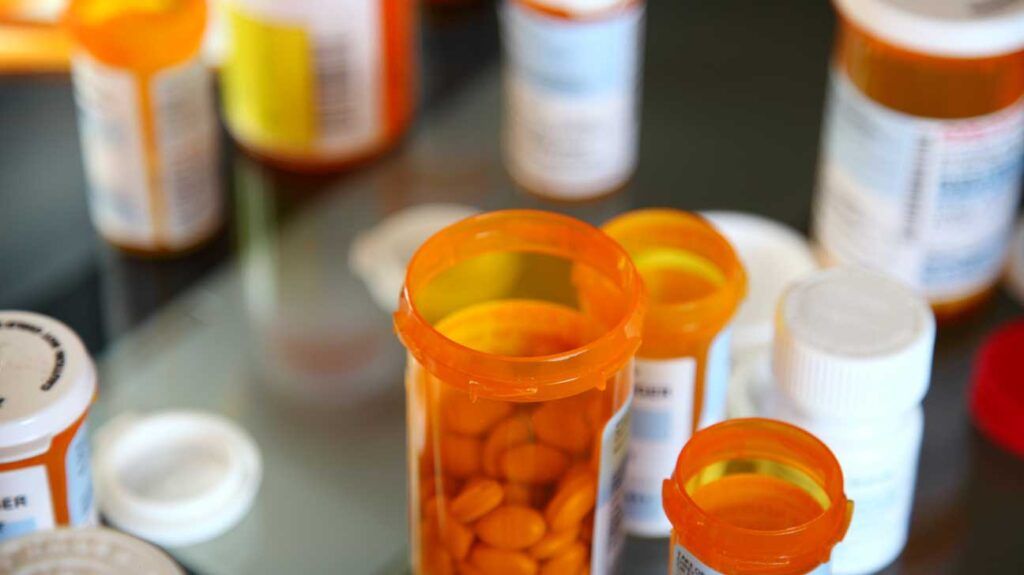
Prescription drugs are an important part of modern healthcare. They’re necessary to treat and manage various health conditions, and some are even lifesaving. However, their high price has strained individuals and the United States healthcare system. High drug prices can also affect how well people stick to their treatment plans.
Below are some reasons that contribute to the high cost of prescription drugs:
- Research and development (R&D) costs: On average, it takes a pharmaceutical company
$879.3 million to develop a new drug, test it in clinical trials, get it approved by the Food and Drug Administration (FDA), and bring it to market. To help recover these costs, companies may set their drug prices high, which can make a prescription drug expensive. However, a2022 study found that there isn’t necessarily a link between how much a drugmaker spends on R&D and the drug’s final price. More transparency is needed to understand how R&D costs actually affect prescription drug prices. - Marketing and advertising costs: Pharmaceutical companies also spend a lot on marketing and advertising to promote their medications directly to people. From 2016 to 2018, drug manufacturers spent $17.8 billion on direct-to-consumer advertising for 553 drugs. Such costs may be passed to the consumer, making the drug expensive.
- Patent protection and market exclusivity: When drug manufacturers develop a new medication, they typically apply for
patent exclusivity for a certain period. This means they’re the only drugmaker allowed to make the medication during that time. This monopoly power can make brand-name drugs expensive until generic versions become available, which eventually helps lower prescription drug prices. - Supply chain and distribution costs: The complex supply chain of prescription drugs involves various intermediaries, such as pharmacy benefit managers and wholesalers. These groups negotiate prices between drug manufacturers, pharmacies, and insurance providers, which can affect the final cost of medications. Pharmacies may also charge a markup on the drugs they dispense, which can further increase the cost.
- Drug shortages: Drug shortages can occur when there are manufacturing and quality problems, delays, and drug discontinuations. Shortages can also occur when certain drugs are in high demand, such as stimulants for attention deficit hyperactivity disorder (ADHD). Naturally, when fewer medications are available in the market, the price will increase, making them expensive for people needing them.
In some cases, the cost of your prescription may be higher if you have insurance.
One reason is your specific insurance plan structure. Some plans may require you to meet certain deductibles before covering the full cost of a medication. Alternatively, they may require you to pay coinsurance or copays, which are out-of-pocket costs. The medication may also be more expensive if you get it at a pharmacy that doesn’t take your insurance.
Additionally, the drug formulary (list of drugs) that your insurance company covers may be limited or change year to year. Due to formulary restrictions, people may find that their out-of-pocket costs are higher with insurance than without it. Paying the cash price for the drug may be cheaper, especially if it’s a generic drug. However, this may also depend on which pharmacy you use.
Below are some ways you can get your prescription medication for less.
Finding generic drugs
Once patent exclusivity expires, other drugmakers can make generic or biosimilar versions of a brand-name drug. This introduces competition, which can make prescription drugs cheaper. A generic medication is an identical copy of the active ingredient in a brand-name medication. (An active ingredient is what makes a medication work.) A biosimilar is a drug similar to a brand-name biologic drug (the reference drug).
Generics and biosimilars are considered as safe and effective as their reference drugs. They both tend to cost less than brand-name medications.
If you’re prescribed a brand-name drug, ask your doctor if there are any generic versions available. This may help reduce the cost of your prescription.
Asking about alternative drugs
You can also ask your doctor about other similar treatments that may cost less.
If you have health insurance, you can also ask your insurance company to check if any alternative medication is on their formulary. Typically, drugs on your insurance company’s formulary tend to cost less than similar medications that aren’t on this list.
With the help of your doctor, you could also file a formulary exception with your insurance company. This is a request to your insurance company to make an exception and cover a non-formulary medication. Depending on your insurance plan, this can help lower the cost of the medication.
Shopping around
Because different pharmacies may charge different prices for the same drug, it may be helpful to contact several of them to ask about what they’re charging. You can also compare prices with online pharmacies. In some cases, the price of your prescription may be lower if you don’t use your insurance.
Depending on your medication and treatment plan, you may also be able to buy a 90-day supply of the drug with or without using your insurance. Buying in bulk may lower costs and reduce the amount of copays you may need to pay.
Using mail-order pharmacies may help lower a drug’s cost and allow you to receive your medication without leaving home. Some Medicare plans may help cover the cost of mail-order medications. You may also be able to get a 90-day supply of the drug through mail order.
Using coupons
Depending on your eligibility, you may qualify for drug coupons from drug manufacturers. Many brand-name medications come with coupons and savings or copay cards, especially if no generic version is available. Drug companies also have savings programs or foundations that can help with prescription costs.
If you’re prescribed a brand-name drug, be sure to check the drug manufacturer’s website for savings options. Your doctor or pharmacist may also be able to help.
The high cost of prescription drugs in the United States is due to multiple factors, including research and development costs, marketing costs, patent protection, and supply chain complexities. Some people may find that even with insurance coverage, out-of-pocket costs can be high due to their plan structures and formulary restrictions. Despite this, there are some ways you can save on your prescription drugs, including using coupons and asking your doctor about other medications for your condition.