
Dry needling is a possible treatment for musculoskeletal pain. This treatment is similar to acupuncture. Dry needling involves inserting short needles into trigger points to relieve pain.
Dry needling is a procedure that involve puncturing the skin with thin needles for therapeutic purposes. During this procedure a medical professional penetrates the skin with a thin filiform needle. They then use this needle to stimulate myofascial trigger points, which are areas on tension within the muscle tissue.
The aim of this treatment is to manage musculoskeletal pain and movement issues. A number of medical professionals can perform dry needling. These include sports therapists, acupuncturists, and physical therapists.
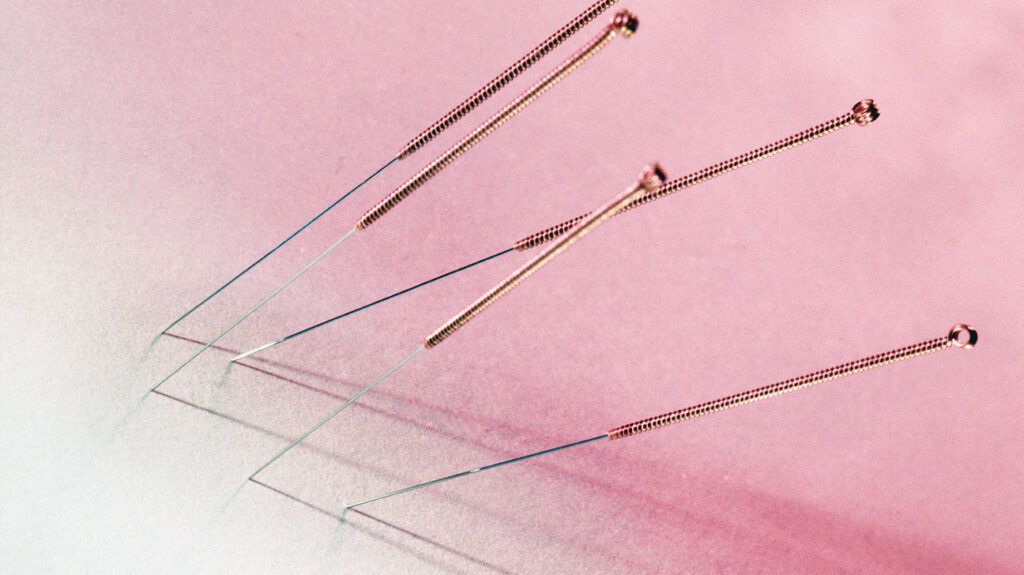
Dry needling is a type of treatment that uses thin filiform needles.
During the procedure, a medical professional will use the needles to penetrate the skin. They will then use these needles to stimulate myofascial trigger points. They may also stimulate other muscular tissues and connective tissues.
Trigger points describe small areas within a muscle that are highly sensitive. These trigger points are common causes of musculoskeletal pain.
Trigger points are common in people of all ages. A number of things can cause them to develop, including:
- injuries
- stress
- poor posture
- overuse of certain muscles
Dry needling is both cost effective and easy to learn with the appropriate training.
Dry needling is a possible treatment for musculoskeletal pain and movement issues.
A 2023 medical review stated that the use of dry needling to treat musculoskeletal pain and related disability, has grown in popularity over the last 20 years.
Dry needling may be a stand-alone treatment for musculoskeletal pain or medical professionals may use it in combination with other therapeutic interventions.
Studies show that dry needling is an effective treatment for musculoskeletal pain that occurs due to the presence of trigger points.
The 2023 medical review states that dry needling is superior to no intervention or sham interventions, when treating musculoskeletal pain. However, it also adds that there is no evidence that dry needling is a more effective treatment than other treatments for musculoskeletal pain. These treatments include other needling techniques and physical therapy.
It does state that dry needling may offer additional value alongside these other treatments.
Typically, dry needling is a safe treatment type with a low risk of complications.
A 2020 study looked at the adverse events associated with dry needling. 420 physical therapists took part in the study. The study included information related to 20,464 dry needling treatment sessions.
The study found that minor adverse events occurred in around 36% of treatments. Minor adverse events included:
- bleeding
- bruising
- pain
Major adverse events occurred in less than 0.1% of dry needling treatments.
The study states that major adverse events included:
- punctured organs
- broken or forgotten needles
- fainting
- vomiting
- major skin reactions
- convulsions
- infections
- aggravation
However, these adverse events are extremely rare, and health experts generally consider dry needling to be a safe treatment for musculoskeletal pain.
Acupuncture is a similar treatment to dry needling. It involves inserting needles into the skin.
During acupuncture a medical professional will insert the needles at different locations and to different depths.
Acupuncture and dry needling may appear similar, but their aims differ.
Dry needling typically aims to relieve muscle tightness and pain. This is different to acupuncture, which aims to restore and balance a person’s qi, or the energy of their mind and body.
A 2020 study into the adverse events associated with dry needling found that around 5.9% of treatments caused the person some pain. This means that in almost 95% of treatments, people did not experience pain.
Anecdotal evidence suggests that most people find dry needling does not cause pain but may cause some discomfort. This often occurs when the medical professional first inserts the needles.
Medical professionals do not recommend dry needling for people under the age of 12 years old. It may also not be suitable for pregnant people who are in the first trimester of pregnancy.
It may also be unsuitable for other individuals, including people with:
- local or systemic infections
- localized edema
- needle phobias
- significant cognitive impairment
- vascular disease
- compromised immune systems
Dry needling is a growing practice. However, the laws around the practice differ from state to state. If a person wants to find a practitioner that will perform dry needling they can:
- ask a doctor
- search online directories
- speak to their healthcare provider
- contact local clinics
Dry needling is a possible treatment for musculoskeletal pain. Dry needling involves inserting thin filiform needles into trigger points. These trigger points are sensitive areas within muscles.
Medical professionals that can perform dry needling include sports therapists, acupuncturists, and physical therapists.
The aim of dry needling is to relieve pain and improve movement.
Dry needling is effective, relatively easy to learn with proper training, and cost-effective. It is also relatively low-risk.
Medical professionals do not recommend dry needling for children under 12 and pregnant people in the first trimester. It may also be unsuitable for people with infections, edema, needle phobia, cognitive impairment, vascular disease, or compromised immune systems.