
Body image refers to how a person thinks and feels about themselves physically. From childhood to adulthood, a person’s family can influence how they feel about their bodies through various intentional or unintentional ways.
A positive body image relates to satisfaction, while a negative one refers to dissatisfaction. This may relate to how much a person weighs, their height, how their skin looks, or insecurities about a certain body part.
It is not unusual for a person to like their body on some days and feel more dissatisfied with it on other days.
Many things contribute to body image, such as societal and cultural values regarding beauty. However, body image begins in childhood, as family members and peers are usually the first people a child will interact with.
Sometimes, even a small comment in childhood regarding physical appearance can stick with a person throughout their life.
This article examines how family can influence a person’s body image, how insecurities can develop from influences in childhood, and how to build self-esteem and positive self-perception through support and encouragement.
A note about sex and gender
Sex and gender exist on spectrums. This article will use the terms “male,” “female,” or both to refer to sex assigned at birth. Learn more.
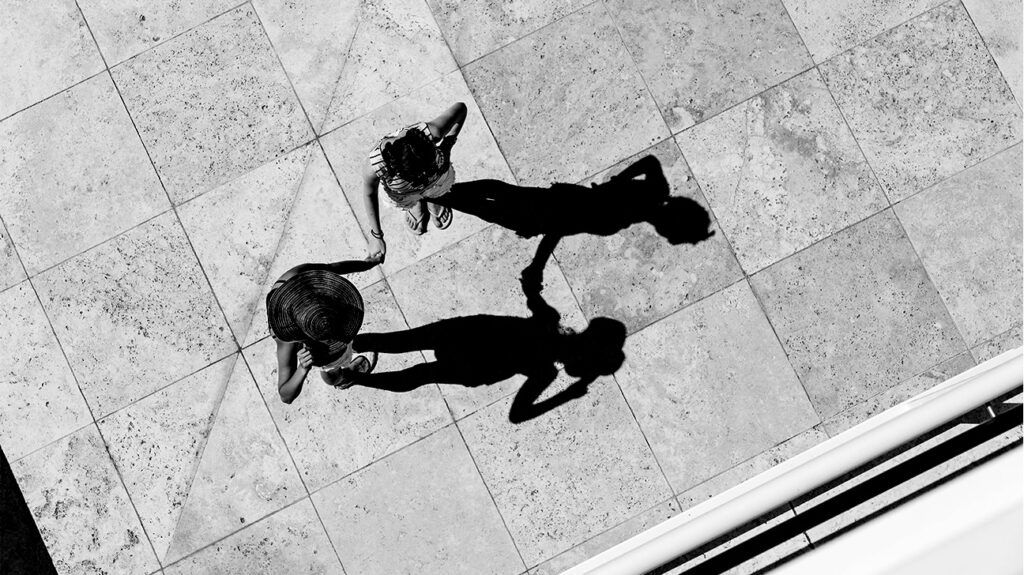
A person’s body image relates to their thoughts or feelings about their physical bodies. Body image stems from the experience of one’s body or how others may react to it, including:
- how much a person weighs
- how different attributes look, such as skin or hair
- how others around them react to their physical attributes
- what a person sees consistently represented in the media regarding physical image
Many people have their family, friends, and peers help shape their experiences of the world right from birth. This can mean that how families speak about bodies, including their own or other people’s, can contribute to what a person believes is the “ideal” body image.
Family members may compliment, criticize, or scrutinize a person’s body. They may also comment on how much physical activity a person does, how much they eat, or what they eat, which may indirectly send a message to a person about how they should view or change themselves.
This can ultimately form attitudes and beliefs about physical appearance that can either be negative or positive.
Criticism or scrutiny of a person’s physical attributes can affect self-esteem, confidence, and overall mental well-being. Family members may also mean well with comments but not realize that scrutiny of a person’s body could lead to pressure to live up to unattainable ideals of what a body “should look like.”
What is body image?
Body image refers to how positively or negatively a person sees themselves. It is typical to sometimes feel a range of emotions about one’s body; some days, a person may have more positive thoughts about how they look, and other days may feel more negative.
People can develop their body image from a variety of influences, including:
- friends and family
- pressure from the media
- comparison with others
- personal factors such as mental health issues or medical conditions
Those with a negative body image are more likely to feel correlating negative emotions, such as:
- depression
- anxiety
- social anxiety
- panic disorder
- body dysmorphia
- low self-esteem
- disordered eating
- suicidal behaviors
Help is out there
If you or someone you know is in crisis and considering suicide or self-harm, please seek support:
- Call or text the 988 Lifeline at 988 or chat at 988lifeline.org. Caring counselors are available to listen and provide free and confidential support 24/7.
- Text HOME to the Crisis Text Line at 741741 to connect with a volunteer crisis counselor for free and confidential support 24/7.
- Not in the United States? Find a helpline in your country with Befrienders Worldwide.
- Call 911 or your local emergency services number if you feel safe to do so.
If you’re calling on behalf of someone else, stay with them until help arrives. You may remove weapons or substances that can cause harm if you can do so safely.
If you’re not in the same household, stay on the phone with them until help arrives.
Who does it affect?
Females are more likely than males to experience dissatisfaction with their appearance and weight. They may also feel pressure to be thin, while males report feeling pressure to be muscular and tall.
Learn more about body image.
There is plenty of research on how body image is formed. Beauty and body “ideals” are consistently present in the media, and ultimately trickle down into everyday society, forming how others value appearance.
A UK study found that 79% of 11 to 16-year-olds say how they look is highly important, and around 52% worry about how they look. Comments from family members can contribute to this worry, making a person hyperaware of how they look and how society reacts to their physical appearance.
A
Interestingly, an older
Researchers found that what the mother said about her body predicted what the daughter, in turn, said about her own body, meaning young females may reflect what their mothers think onto themselves.
Research has also shown that family-based stigma regarding weight persists well into adulthood from childhood. Weight-related teasing and remarks can lead to a variety of issues, such as:
- body dissatisfaction
- issues with self-esteem
- depressive symptoms
- extreme weight control behaviors
- binge eating in adolescence and early adulthood
The most common type of body-image stigma seems to be weight-related comments, as mentioned in the same research as above. It also details comments made by participants in the research, such as “When your grandpa says you are too fat to play volleyball, you don’t forget it” and “The shaming from family has stuck with me my entire life.”
It is important to recognize examples of having a negative body image, which may come in the form of comments, criticism, or actions such as self-harm.
Examples include:
- negative talk or criticism about how a person looks, including oneself
- negative about specifics such as weight, shape, size, etc.
- engaging in behaviors that may negatively affect the body, such as overeating, undereating, purging, overexercising, etc.
- negative thoughts or emotions about one’s own body, such as shame or embarrassment
- comparing oneself to others
- obsession with appearance, such as constantly getting plastic surgery
Learn more about the connection between beauty standards and mental health.
It is important to recognize how family members can play a part in developing a child’s self-esteem. Countries such as Australia celebrate Body Image and Eating Disorders Awareness Week annually in the first week of September to help people navigate body image concerns.
The
Examples of this include:
- accepting one’s body and appreciating it
- giving compliments that don’t pertain to appearance
- if a person is a parent, avoid criticizing their own appearance or the appearance of others, particularly in front of their children
- modeling healthful eating habits
- modeling physical activity habits, taking part in what is enjoyable as well as aiding fitness
- encouraging having a good relationship with one’s body without outside messages from influences such as the media
- encouraging media literacy for all, so social media body ideals aren’t taken as gospel
- encouraging body positivity across a wide spectrum, including different conditions, disabilities, ethnicities, cultures, and communities such as LGBTQIA+
- remembering that beauty and value does not just stem from appearance
Family can influence how a person thinks or feels about their bodies through various intentional or unintentional ways. Comments and criticism about physical appearance, such as weight or shape, may lead to internalized negative emotions and mental health issues, such as depression or anxiety.
However, family can also positively influence how a person feels about their body.
It is important for parents and family members to model positive behaviors such as having a good relationship with one’s own body, not making comments criticizing someone’s appearance, encouraging self-worth without relation to physical appearance, and accepting and appreciating one’s body.