
Barley is a type of cereal grain that contains gluten. Those who avoid gluten will need to avoid barley, including barley flour, pearl barley, and malted barley. Barley grass may be gluten-free.
Barley can be present in many foods and drinks, such as beer, lager, bread, cereal, and malt extract. Other gluten-containing grains include wheat, rye, and triticale.
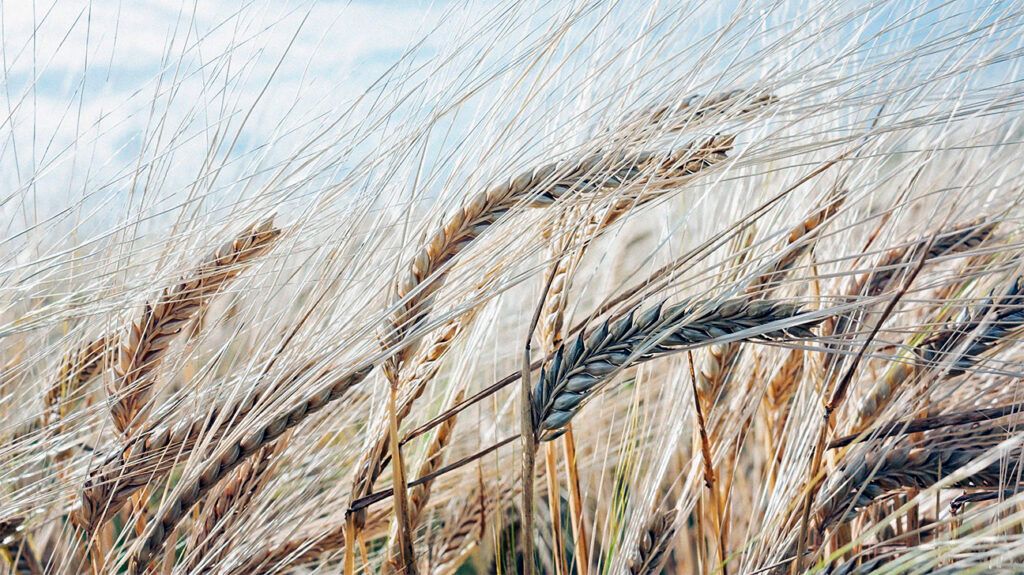
Barley is a type of cereal grain. According to the
- barley flour, which is flour made from barley grains
- pearl barley, which is barley that has been processed to remove the outer hull and the bran layer
- malted barley, which is barley that has undergone a process that converts the starches into fermentable sugars
- barley water
The organization Beyond Celiac states that barley grass, the young leaf of the barley plant, can be gluten-free. However, experts consider it to be a high risk ingredient for people with celiac disease.
Barley grass is only gluten-free if the plants are picked before they sprout and produce seeds. Some barley grass can sprout early, meaning there is a risk of gluten. Plus, the tests that check for gluten may not be accurate.
What other grains contain gluten?
Those who cannot, or choose not to, consume gluten will also need to avoid:
- rye
- wheat and other types of wheat, including spelt, semolina, emmer, and durum
- triticale, which is a cross between rye and wheat
Barley can be present in a variety of foods and drinks, including:
- bread and other baked goods
- breakfast cereals
- beer, ales, lager, and stouts
- malt
- malt extract
- malt vinegar
- brewer’s yeast
The
Foods labeled as gluten-free must be naturally gluten-free or not contain an ingredient that is:
- a grain that contains gluten, such as barley
- derived from a gluten-containing grain that has not had the gluten removed
- derived from a gluten-containing grain that has had the gluten removed if the grain contained 20 parts per million (ppm) or more gluten
If the presence of gluten is unavoidable, it must contain less than 20 ppm.
If a food item does not state that it is gluten-free, people should check the ingredients list to ensure that no barley or other gluten-containing products are present.
There are a variety of alternative gluten-free grains a person can try. Some options include:
- amaranth
- buckwheat
- millet
- sorghum
- rice
- hominy
- quinoa
Oats may also be a suitable alternative, but a person may need to check the label to ensure that they are gluten-free.
There are also many different gluten-free flour options, for example:
- rice
- cassava
- tapioca
- chickpea, or gram flour
- cornflour or cornmeal
- flax
- hemp flour
- lentil
- masa
- potato
- soy
- mesquite
A person can also try nut flours, such as almond or chestnut.
Barley is a cereal grain that contains gluten. Those who are unable to, or choose not to, consume gluten will need to avoid barley and products containing it, including barley flour, pearl barley, and malted barley. Barley grass may be gluten-free, but experts consider it to be a high risk ingredient.
Wheat, rye, and triticale are also gluten-containing grains. Those avoiding gluten can try alternative gluten-free grains, such as quinoa, rice, hominy, and amaranth. There are also many gluten-free flour alternatives, such as tapioca, masa, mesquite, and chickpea.
Food manufacturers are not legally required to label foods as gluten-free, but those labeled as such must comply with the FDA regulations. People avoiding gluten may find it good practice to check the ingredients listed on food items to ensure that they are safe to eat.