
Palm oil derives from the fruit of the oil palm tree. Its high fat content has led to concerns that it may raise cholesterol levels and increase the risk of cardiovascular disease (CVD). However, there is little scientific evidence to support such concerns.
There are two main types of palm oil: red and white. The latter has undergone a process of refinement, bleaching, and deodorization and contains fewer micronutrients like beta carotenes and vitamin E. As such, researchers consider red palm oil to be the healthier option.
This article considers whether palm oil is bad for health and whether it may have any health benefits. It also provides some nutritional information on palm oil and outlines some important environmental considerations when choosing palm oil and palm oil products.
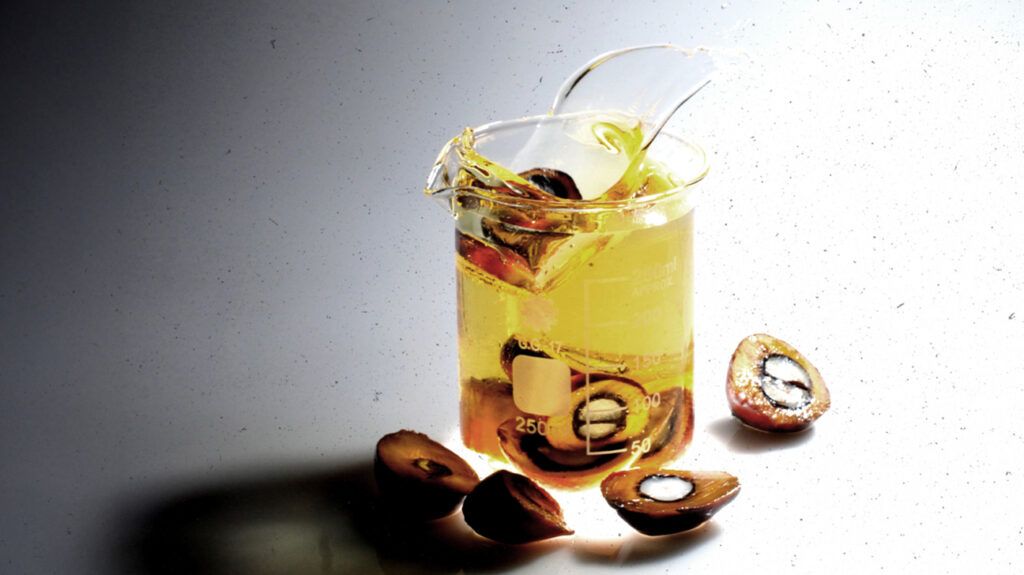
Authors of a 2020 review note that consuming palm oil in moderation and as a part of a balanced diet does not present known health risks.
People may be concerned that palm oil’s saturated fat content can have adverse health effects. A 13.6-gram (g) tablespoon of palm oil
Interestingly, the research surrounding the consumption of palm oil and its effect on blood cholesterol levels suggests that palm oil may have some benefits.
A 2021 review investigated the effect of palmitic acid on cholesterol levels. Palmitic acid is a saturated fatty acid that derives from both vegetable and animal sources. The review concluded that palmitic acid from palm oil and other vegetable sources has less effect on blood cholesterol levels and low-density lipoprotein (LDL) or “bad cholesterol” than palmitic acid from animal sources.
The review also added that a chemical compound in palm oil called tocotrienols actually lowered blood cholesterol levels by 7% to 38%.
An earlier
As a 2021 review notes, there are two main types of palm oil: red palm oil and “refined, bleached, deodorized” (RBD) palm oil. Some people refer to the latter as “white” palm oil.
According to the review, red palm oil contains a higher concentration of antioxidants and micronutrients, such as:
- carotenoids, which the body uses to synthesize vitamin A
- tocopherols and tocotrienols, which are types of vitamin E
- plant sterols, which can help lower cholesterol
- phospholipids, which are important for cell structure and function
- squalene, which has benefits for the skin
The refinement process involved in creating RBD palm oil results in lower levels of carotenoids, vitamin E, and sterols. Therefore, RBD palm oil possesses fewer health benefits than red palm oil.
According to the
- 120 calories
- 503 kilojoules (KJ) of energy
- 13.6g of fat, of which:
- 6.7g saturated fat
- 5.03g monounsaturated fat
- 1.26g polyunsaturated fat
- 2.16 milligrams (mg) vitamin E
- 1.09 micrograms (µg) vitamin K
As the World Wildlife Federation (WWF) explains, palm oil is an efficient, high-yield crop that provides a steady income for growers and smallholders. However, the palm oil industry is causing large-scale deforestation, destroying habitats for critically endangered species, and contributing to climate change across the globe. As such, the WWF encourages individuals to make ethical choices when it comes to purchasing palm oil.
The WWF advises people to look for palm oil and palm oil products featuring the Roundtable on Sustainable Palm Oil (RSPO) certification. This global certification indicates that the palm oil growers and manufacturers have adhered to the following sustainability practices:
- robust policies to remove deforestation and human rights abuses from the supply chain
- transparency in the sourcing and use of palm oil
- buying and using certified palm oil across their operations, globally
Palm oil is not a seed oil. Palm oil derives from the fruit of the oil palm tree. It is not the same as palm kernel oil, which derives from the kernel or “stone” inside the fruit.
Palm oil derives from the fruit of the oil palm tree. There are two main types: red palm oil and white palm oil. Red palm oil contains more micronutrients, making it a healthier option. However, both types are high in saturated fat, leading some people to speculate that it may raise cholesterol levels and increase the risk of CVD.
However, little research supports the notion that palm oil consumption increases the risk of CVD. On the contrary, some research has found that consuming red palm oil may reduce cholesterol levels due to its high concentration of cholesterol-lowering plant sterols.
People who decide to add palm oil to their diet should consider the environmental impact of this decision. Individuals should look for the Roundtable on Sustainable Palm Oil (RSPO) certification, which indicates adherence to the most robust environmental and human rights policies.
People should also check with a doctor to ensure that they can safely consume palm oil without it interfering with other medications or supplements they may be taking.