
Masturbating may have several positive effects, including boosting hormones and chemicals that promote positive emotions, feelings, and sensations.
Many misconceptions continue to spread the idea that masturbation is somehow harmful to health. However, deciding whether to masturbate or not is a personal choice, while the practice may have several health benefits.
Meanwhile, most negative effects relating to masturbation focus on how someone feels about the act itself rather than the physical implications on the body.
Read on to learn how masturbation affects the brain, as well as what masturbation addiction is, treatment and prevention methods, and when to speak with a doctor.
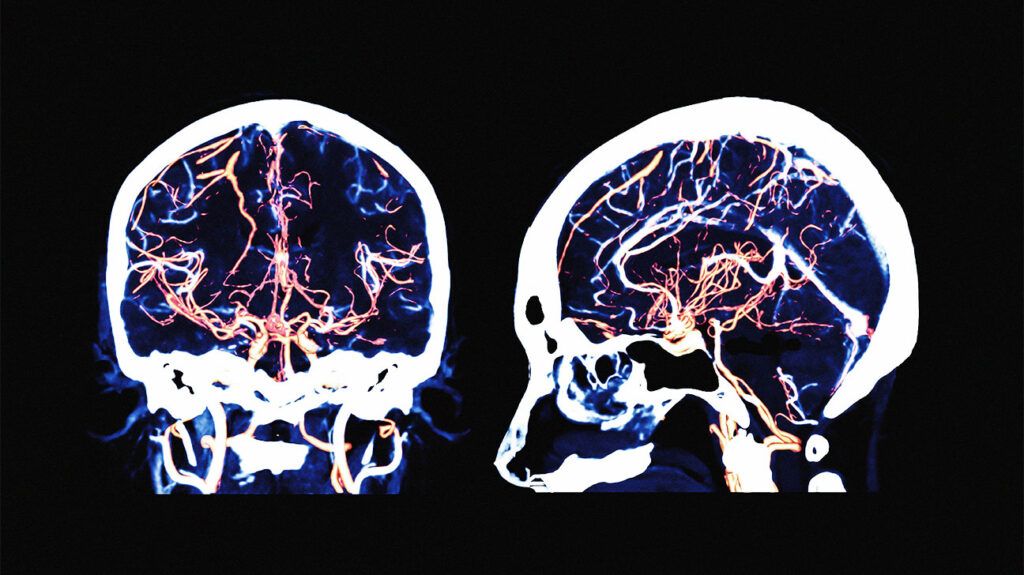
Research shows that masturbation, along with other sexual activities leading to sexual pleasure or orgasm, trigger the release of hormones and chemicals involved in the brain’s pleasure-reward center. These include:
- Dopamine: Known as the “happiness” hormone, dopamine is an important neurotransmitter involved in motivation, movement, and reward-seeking.
- Oxytocin: The “love” hormone oxytocin has a wide range of behavioral and physiological effects, such as promoting sexual, social, and maternal behaviors associated with happiness.
- Serotonin: Serotonin is a neurotransmitter that helps mediate happiness, optimism, and satisfaction. Higher serotonin levels also have links to an increase in mood.
- Endorphins: Endorphins are known as “feel-good” chemicals that can help
reduce pain . They are responsible for the pleasurable rush or high associated with exercise. - Prolactin: Prolactin is a hormone that promotes physiological responses to reproduction, stress management, and emotional regulation.
- Endocannabinoids: These neurotransmitters are vital to rewarding behaviors such as exercise, social interaction, and eating.
- Norepinephrine/noradrenalin: This stimulating neurotransmitter increases and regulates dopamine transmission, a substance linked to happiness levels.
- Adrenaline: Adrenaline lowers stress by helping control heart rate, blood vessel and airway diameters, and aspects of metabolism.
The release of these various hormones can, in turn, lead to the following health benefits:
Reduced stress and anxiety
Some people claim that masturbation can help reduce stress and anxiety levels due to the release of oxytocin and serotonin. While research has not found masturbation to lower hormones relating to stress, people still may find it beneficial.
Improve sleep
Masturbation releases hormones and neurotransmitters to help reduce stress while promoting relaxation, which may make it easier to fall asleep.
A 2019 study that surveyed 778 adults found there was a clear perception of favorable sleep outcomes associated with orgasm. Many respondents felt masturbation helped reduce the time it takes to fall asleep and improve sleep quality.
Reduced pain
Endorphins are chemicals that serve as the body’s natural pain relievers. The release of endorphins during sexual arousal may have pain-relieving effects on the body.
Improved mood
Researchers have widely reported on the beneficial effects of masturbation on mood. Masturbation may increase hormone levels associated with a positive mood, such as dopamine, oxytocin, and endorphins.
Improve self-esteem
People can learn how to pleasure themselves to help empower themselves and improve their body image.
Improve sexual function
Studies suggest that masturbation frequency can positively affect overall sexual function.
Improved cognition
Prolactin has a neuroprotective effect, reducing neural (brain) damage in response to stress. Dopamine also seems to contribute to healthy cognition (thinking). A small
Men’s health resources
For more research-backed information and resources, visit our dedicated men’s health hub.
While most people experience positive effects from masturbating, this is not true for everyone.
Some may be morally or religiously opposed to the practice and feel guilty or shameful for engaging in masturbation or even thinking about it.
Excessive masturbation can also cause physical problems such as irritated or broken skin, swelling of the genitals, and cramps.
Most specialists classify excessive masturbation as a compulsive sexual behavior (CSB) or out-of-control sexual behavior.
The American Association of Sexuality Educators, Counselors and Therapists states that there is not enough evidence to support the classification of sex or porn addiction as a mental health condition.
Risk factors
Some people are more prone to CSBs because of certain health conditions, such as:
- Alzheimer’s disease
- bipolar disorder
- Pick’s disease
- Kleine-Levin syndrome, a rare relapse-remitting sleep disorder
- obsessive-compulsive disorder
Some illegal drugs and prescription medications, especially those that increase dopamine levels, may also increase someone’s sex drive. These include:
- methamphetamine
- Parkinson’s medications
- cocaine
Treatment
In cases of health conditions or drug side effects affecting masturbation frequency, addressing these underlying causes may help reduce compulsive behaviors.
Some forms of psychological therapy may also help reduce CSBs and manage their negative repercussions, including:
- cognitive behavioral therapy
- psychodynamic therapy
- group therapy
- couples therapy
Support groups, such as Sex Addicts Anonymous, offer programs to help people manage or reduce CSB.
Some tips and techniques can also help reduce or prevent excessive masturbation. These include:
- avoiding pornography
- seeking help from a mental health professional or doctor who specializes in sexual health
- getting enough exercise
- improving social connections and relationships
- staying busy
- understanding a person’s triggers, for example, boredom, fear of intimacy, or shame
When excessive masturbation starts to interfere with daily life, psychological well-being, or physical health, a person needs to consult a doctor or therapist for help.
People also need to consider seeking professional help if feelings of guilt, shame, or other negative emotions interfere with sexual functioning, pleasure, or relationships.
Masturbation triggers the release of hormones and neurotransmitters linked with positive emotions, sensations, and physiological responses.
Masturbation is generally a healthy, risk-free way to engage in sexual activity. It could also allow a person to learn about their likes or dislikes. It may even improve elements of well-being, such as happiness, relaxation, self-esteem, and body image.
However, individuals need to speak with a doctor or therapist if masturbation interferes with daily life, relationships, sexual function, or physical health.
Additionally, they can seek professional help if masturbation causes intense or pervasive negative feelings, such as guilt, shame, regret, distress, and embarrassment.