
Multicultural counseling is a type of psychotherapy that acknowledges that aspects of a person’s culture and identity influence their mental health.
People in historically marginalized groups may feel that mental health professionals will not understand or be able to address their concerns.
Multicultural counseling aims to provide treatment that acknowledges that factors like race, ethnicity, sexual orientation, gender identity, and religion help shape an individual’s mental health. It also recognizes that they may face specific challenges because of their culture and identity.
This article examines who may benefit from multicultural counseling, what to expect from the therapy, and how it works. It also discusses how to find a suitable multicultural therapist.
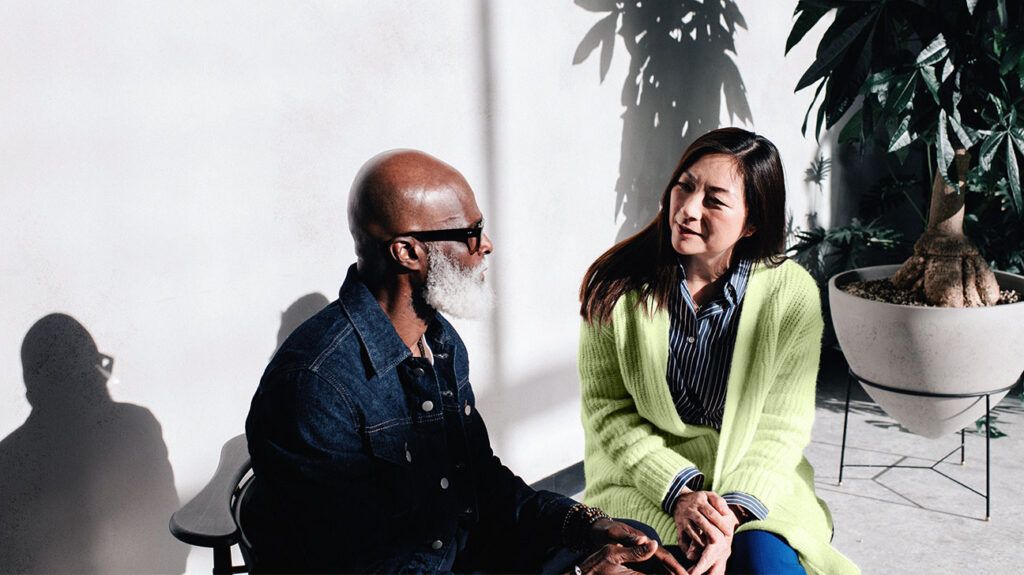
Multicultural counseling may benefit people of any historically marginalized or minority group.
A person may be a member of these groups based on various factors, including their:
- race
- ethnicity
- nationality
- religion or spirituality
- socioeconomic status
- neurotype
- gender identity
- sexual orientation
- disability status
- body size and shape
A person may seek multicultural counseling to address issues that directly relate to elements of their culture or identity. These may be intersectional, in which different aspects overlap and interact. For example, a person’s sexual orientation may conflict with their religion or the beliefs of their cultural group.
They may also attend multicultural counseling to treat a
- depression
- anxiety
- relationship and intimacy issues
- trauma
- work-related stress
Multicultural counseling
Psychotherapy typically involves structured appointments of around 45 to 50 minutes. Depending on their needs, a person may attend a few sessions or may continue to undergo therapy for months or years.
A mental health professional will usually begin by asking questions and establishing a trusting relationship with a person during the first few sessions. The therapist will take time to learn about a person’s needs, expectations, and concerns and work with them to establish and meet specific goals.
In multicultural counseling, a mental health professional remains conscious of a person’s culture and incorporates this understanding into their treatment.
Mental health research and practice has historically relied on white, Western cultural traditions and understandings of human thought and behavior. In recent years, mental health professionals have become increasingly aware that one narrow approach, based on an understanding of one social group, is not applicable or effective for all cultures or groups.
Multicultural counseling recognizes the need to acknowledge that many complex factors can play a role in mental health. It considers how aspects of a person’s culture and identity can influence their psychosocial development in complex ways.
There is no prescribed therapeutic method or approach for multicultural counseling. However, the American Psychological Association (APA) provides multicultural guidelines, which outline that therapists should:
- Understand that identity and self-definition are complex and fluid, and that many intersecting social factors can shape and influence them.
- Try to be aware of how a person’s social and physical environments affect their lives.
- Recognize that they hold attitudes and beliefs linked to their own cultures that may influence how they understand and treat their clients. They should work to identify and move beyond their inherent biases.
- Try to recognize and understand that historical and current factors affect power, privilege, and oppression, including access to mental healthcare.
- Promote culturally adaptive interventions and advocacy.
- Take a strength-based approach, which focuses on positive qualities and aims to build resilience.
Not all mental health professionals are trained to understand how culture affects health, and a person may want to do some research to find the right therapist for them. They can ask a doctor for a referral, check online, or inquire with trusted community and faith organizations.
An individual may want to prepare some questions to help them gain insight about a mental health professional’s competence. It may be helpful to determine:
- whether a therapist has experience treating people of a specific culture or background
- if the therapist has received training
- how the therapist’s and client’s cultural backgrounds could influence treatment
- whether a translator may be necessary, in case of a language or communication difference
After a therapy session with a mental health professional, a person may want to reflect on whether the therapist understood their concerns, communicated effectively, and made them feel comfortable.
If a person feels that a therapist does not have the knowledge or experience necessary to treat them, they may want to move on to another mental health professional.
Multicultural counseling is a type of psychotherapy that acknowledges how aspects of a person’s cultural identity may affect their mental health. This understanding can help therapists determine more effective treatment plans.
The therapy recognizes that a single cultural approach to therapy may not apply to all groups of people. It aims to understand and address the complex concerns of individuals and communities from varying backgrounds.
Multicultural counseling does not ascribe to a specific type of therapy. Rather, it is dynamic and adaptable to people of different races, ethnicities, genders, sexual orientations, and other social contexts.
Anyone who is interested in multicultural counseling should consider reaching out to a mental health professional for more information.