
Medical supplies that can be useful to keep in the home include bandages, pain relief medications, antiseptics, and cold packs. People with chronic health conditions may also need to keep additional medical supplies in their homes.
Medical supplies that individuals keep in their homes can range from first aid equipment to medical devices for managing chronic conditions.
This article discusses which medical supplies are useful to keep in the home, how to store them safely, and when to speak with a healthcare professional for advice.
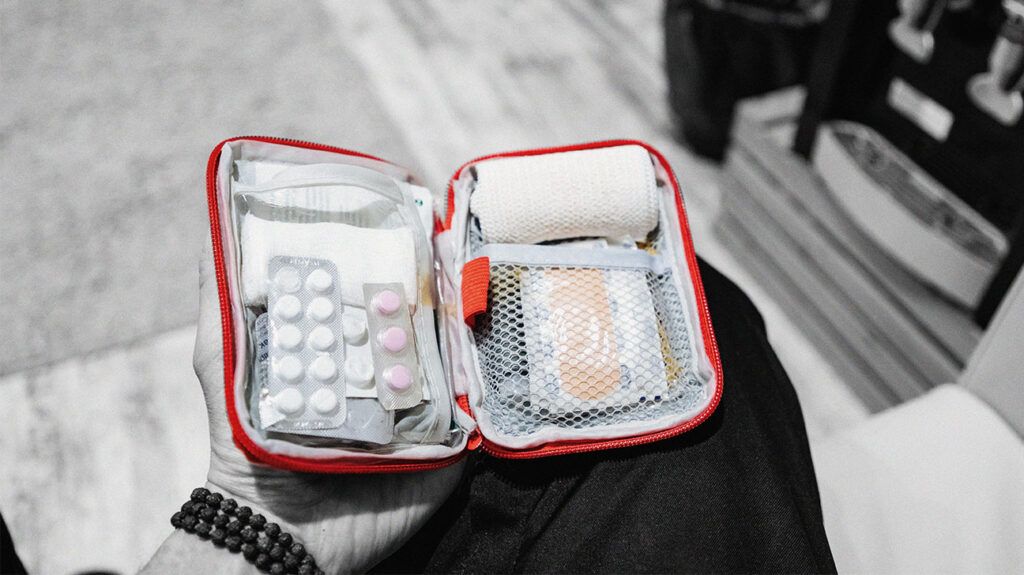
Useful medical supplies to help provide first aid for wounds include:
- bandages of various sizes
- adhesive bandages of various sizes
- butterfly bandages for taping minor cuts
- elastic wraps for ankle, wrist, knee, and elbow injuries
- gauze pads and rolls for larger cuts or scrapes
- a triangular bandage for making an arm sling or wrapping injuries
- sterile scissors for cutting bandages or gauze
- antiseptic wipes, cream, or spray to disinfect wounds
- medical tape for keeping gauze in place
- tweezers for removing small foreign objects from the skin, such as bee stingers, splinters, or ticks
- safety pins for securing bandages or splints
- disposable gloves for reducing the risk of infection and protecting hands when treating open wounds
- eyewash for eye injuries
Useful medical supplies for pain relief can include:
- over-the-counter (OTC) oral pain medications, such as nonsteroidal anti-inflammatory drugs (NSAIDs) and acetaminophen
- OTC topical pain medications, such as diclofenac (Voltaren) gel
- heat packs
- cold packs
- calamine lotion for relieving pain from insect bites and stings
- aloe vera gel for relieving pain from skin issues, such as sunburn
The United Kingdom’s National Health Service (NHS) notes that other useful medical supplies to keep at home may include:
- sunscreen
- OTC decongestants for colds and flu
- at-home COVID-19 tests
- a thermometer to determine if someone has a fever
- rehydration salts and OTC medications for diarrhea
- antacids for heartburn and indigestion
- antihistamines for insect bites and allergies
- petroleum jelly for preventing minor wounds from drying out during the healing process
People with chronic conditions may also need to keep additional medical supplies at home, such as:
- prescription medications
- medical devices, such as continuous positive airway pressure (CPAP) machines for those with sleep apnea
- assistive devices, such as mobility aids for those with disabilities
A doctor can offer further advice about what medical supplies an individual should keep in their home.
The NHS recommends considering the following tips for storing medical supplies:
- Ensure any medications and other medical supplies are within the use-by date.
- Check if medications need to be stored above or below a certain temperature.
- Keep medical supplies organized so they are easy to find.
- Store medical supplies in a secure place away from children.
- If a person has a complex medication regimen, such as taking multiple medications each day, they may benefit from using a pill organizer box and setting reminders for when to take each medication.
A person does not need to purchase large quantities of the supplies in this article. An appropriate quantity may vary depending on individual factors.
For example, someone who experiences frequent irritable bowel syndrome (IBS) flare-ups with diarrhea may use rehydration salts more often than those who only experience diarrhea occasionally. Therefore, the former may typically keep two boxes of rehydration salts in their home, while the latter may keep one box.
However, ensuring that supplies such as bandages, gauze, and adhesive bandages are available in a variety of sizes can help with various injuries. A person may be able to buy a pack of these supplies in one box of a range of sizes.
By keeping medical supplies at home, a person may be able to treat minor injuries and common illnesses, such as colds and flu, without visiting a healthcare professional.
However, a person should call 911 or their local emergency number immediately if someone
- is experiencing symptoms of a serious medical event, such as a stroke or heart attack
- is involved in a serious accident, such as a car accident
- is unconscious and unresponsive
- experiences sudden changes in vision, breathing, mobility, or mental state
- is experiencing severe bleeding
People also need to contact their doctor if they experience any new symptoms that do not go away within a few days or worsening symptoms of a chronic condition.
Medical supplies useful for keeping in the home include wound care supplies, such as bandages, and pain relief supplies, such as over-the-counter medications and cold packs. A person may also want to keep medical supplies for common conditions, such as colds, flu, and diarrhea.
People with chronic conditions may need to keep additional medical supplies, such as prescription medications and medical devices, in their homes.
A person can speak with a healthcare professional for advice about what medical supplies to keep in their home.