
Crepitus refers to the grinding sensation in one’s knee when the two bones grind against each other. It is a sign of arthritis. Treatment may not be necessary but includes lifestyle changes, medication, and physical therapy.
Cracking and popping can be from tendons or ligaments snapping over bony structures. It can affect different parts of the body, but it is common in the knee.
It usually happens when air bubbles develop in body tissues. Still, it can also occur when the tendons or ligaments snap over the bony structures in the knee or due to patellofemoral pain syndrome (PFS), torn cartilage, or osteoarthritis (OA).
Other people may or may not be able to hear the sound.
The person may hear it when they extend their knee. They may be able to feel crunching or cracking if they place their hand over the knee and bend or straighten it.
People may use the words “popping, snapping, catching, clicking, crunching, cracking, crackling, creaking, grinding, grating, and clunking” to describe the sound or feeling. Knee crepitus can occur at any age, but it is more common as people age. It can affect one or both knees.
Crepitus is usually harmless, but if it happens after a trauma or if there is pain and swelling, it may need medical attention.
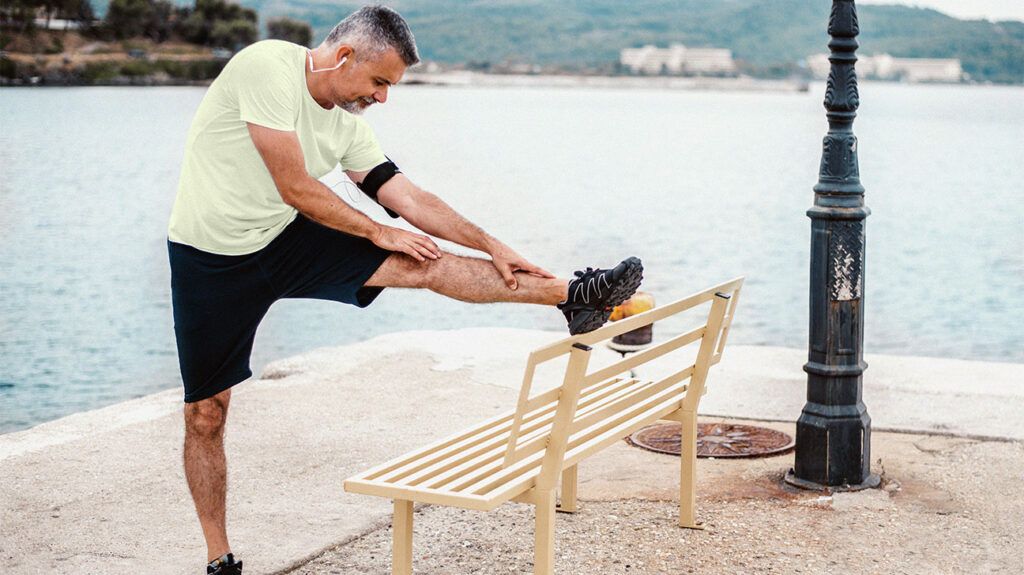
To understand how crepitus affects the knee, a person should understand the structure of the knee joint.
The knee is the largest joint in the body.
The three bones in the knee joint are:
- the thighbone (femur)
- the shinbone (tibia)
- the kneecap (patella)
The kneecap rests in a groove of the thighbone called the trochlea. When a person bends or straightens their knee, the patella moves back and forth inside this groove.
Soft tissue provides padding and protection.
The meniscus is two wedge-shaped or C-shaped cartilage between the thighbone and the shinbone. These enable the bones to glide smoothly against each other.
The cartilage is tough and rubbery, and it helps to cushion the joint and keep it stable.
A thin layer of tissue — the synovial membrane — covers the joints and produces a small amount of synovial fluid. This helps to lubricate the cartilage.
The underside of the kneecap has a cartilage lining. This cartilage “rubs” against the end of the femur in the trochlear area. Abnormal wear can cause grinding and crepitus.
There are various causes of crepitus.
Sometimes, however, there is an underlying problem, for example, tissue damage or lesions. In this case, treatment may be necessary.
Pain or swelling can be a sign of a more serious problem, such as patellofemoral pain syndrome (PFS), a cartilage or other soft tissue tear, or osteoarthritis (OA).
These issues may need medical attention.
When the pressure between the kneecap and the femur is greater than usual, the cartilage in the joint can start to soften and wear away.
Losing its smoothness can lead to patellofemoral pain syndrome (PFS), or “runner’s knee.”
PFS can result from trauma or overuse or if a part of the knee is badly aligned. It is a common source of knee pain in young people and athletes.
Rigorous exercise—such as jogging on an inclined surface, squatting, and climbing stairs—can strain the area between the femur and the kneecap joint.
A sudden increase in physical activity, such as exercising more frequently or running further or on rougher terrain than usual, can also cause it.
Another risk factor for crepitus related to PFS is trauma to the knee. This could be due to a fall or hitting the knee on the dashboard of a car in a road traffic accident.
The individual may experience crepitus when climbing stairs or after sitting for a long time with the knees bent, as well as pain, swelling, puffiness, and stiffness.
Not all PFS has crepitus, but PFS in which the cartilage is wearing down will likely have it.
Treatment for PFS
The first line of treatment for this condition includes rest, ice, compression, and elevation, or “RICE.”
Anti-inflammatory medication, weight loss, and physical therapy exercises can also relieve it.
If these do not help, splinting, surgery, or both may be necessary. They may help to realign part of the knee.
To prevent this problem, anyone exercising or participating in sports should always use appropriate techniques, footwear, and equipment and warm up before starting.
Crepitus can also be a sign of a torn meniscus, including symptoms such as snapping, locking, and popping. A meniscus can tear during sports activities, such as when a person twists their knee. It can also happen as people get older and the meniscus wears thin.
Symptoms include:
The American Academy of Orthopaedic Surgeons (AAOS) explains that when the meniscus tears, an individual may experience a “popping” sensation.
Usually, the person can still use the knee, but stiffness and swelling may appear over the next 2 to 3 days.
As with PFS, the first line of treatment is RICE and anti-inflammatory medication. Sometimes, surgical repair is necessary.
If crepitus occurs with pain, it can be an early sign of osteoarthritis (OA) of the knee. OA is normally a result of wear and tear and tends to develop and worsen with age.
In OA, the cartilage that covers the ends of bones in the joints gradually wears away. Bones rub on this increasingly rough surface, resulting in pain and mobility issues. It is more likely among people with obesity or those who have had an injury in the past.
Tips and treatment
If a person receives a diagnosis of OA early, the Osteoarthritis Foundation suggests using nonsurgical options to slow the progression, maximize mobility, and improve strength.
Options include:
- lifestyle modifications, such as weight loss and exercise
- medication
- physical therapy
As OA progresses, treatment through medication or even knee replacement surgery may be necessary.
Treatment may not be necessary. If it is, the options will depend on the cause, as outlined above.
If crepitus occurs with exercise, the person should not stop exercising but modify the exercise.
Precautionary measures include:
- avoiding inclines or hills if running
- when using a bicycle, keep the tension on the pedals low
- when lifting weights, focus on the quadriceps or hamstring muscle groups, use lighter weights, and do more repetitions
When exercising, people should always listen to their bodies. If they feel pain, they should stop. Always exercise in moderation and stretch before exercising.
Exercises to strengthen the muscles around the knee can help protect the knees.
Stronger quadriceps can decrease the load on the patellofemoral joint, reducing the risk of cartilage wearing away.
Exercise can help, but people with concerns about their knees should consult a physician before starting a new exercise regime.
Other ways to protect the knees include:
- wearing suitable shoes
- warming up before exercise and stretching afterward
- maintaining a healthy body weight to reduce stress on the knees
- avoiding excessive stairs
Walking and swimming are also good activities for strengthening the leg muscles, which can contribute to better knee health.
The main treatment for knee crepitus is rest, ice, compression, and elevation, or “RICE”, using a gentle stationary bike, or a steroid injection in the joint.
Crepitus is usually not a cause for concern, though a person should see a doctor if there is accompanying pain or swelling.
Crepitus of the knee is a grinding sensation occurring when a person moves their knee. Treatment usually involves lifestyle changes, such as medication and physical therapy.
A person should always listen to their body when exercising and be mindful of any changes such as pain or swelling.