
A brain tumor is a mass or growth of abnormal cells in the brain or spinal cord. Many brain tumors can disrupt the function of the brain. Others, however, are less harmful.
Brain tumors are either malignant (harmful) or benign (nonharmful). By definition, malignant tumors are more aggressive than benign tumors.
In benign tumors, the mass of abnormal cells does not contain cancer cells. Benign brain tumors grow slowly and tend not to spread from the original growth site. They are also more common than malignant tumors.
Malignant brain tumors contain cancer cells and tend not to have clear borders. These can grow rapidly and spread to other parts of the brain, which makes them more dangerous.
This article discusses different types of brain tumors, their symptoms, and how to treat them.
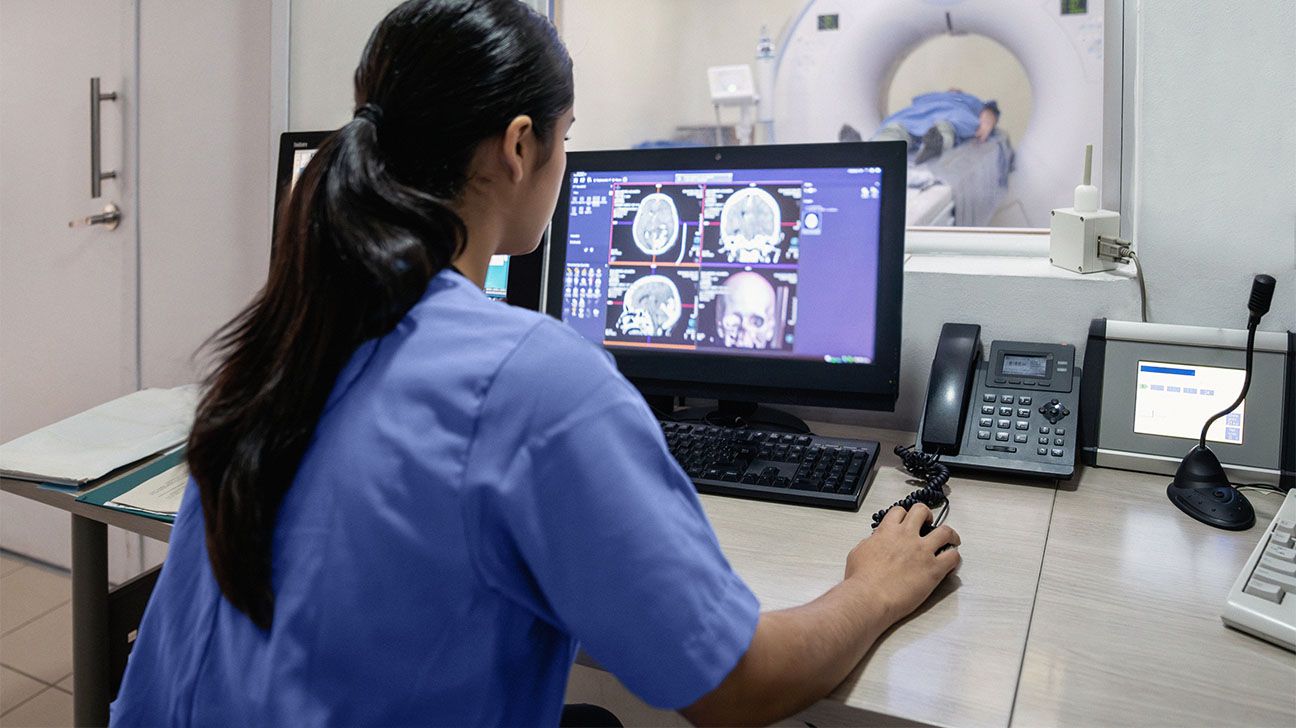
In addition to defining a tumor as benign or malignant, doctors may also refer to a tumor based on the site from which the cells originated.
If the tumor began in the brain, for example, it is a primary brain tumor. If it began in another part of the body and spread to the brain, it is a secondary (or metastatic) brain tumor.
Each type of tumor has a range of different characteristics and subtypes, and a tumor may consist of more than one type of cell.
There are
A glioma is a tumor that starts in the supportive tissue of the brain. It is the
Symptoms of gliomas vary according to their type, but often involve persistent headaches. They may also affect a person’s:
- movements
- ability to think
- speech
- balance
- emotions
- vision
Meningiomas develop from the protective layer that covers the brain and spinal cord, applying pressure.
Symptoms vary
Medulloblastomas and neuroblastomas are the
Symptoms vary depending on the location and type of tumor.
Other
People can also develop metastatic brain tumors, which originate outside of the brain.
Symptoms of brain tumors vary depending on the type of tumor and its location.
The following symptoms may occur slowly and gradually get worse. They may also develop quickly in the form of a seizure.
The
- persistent headaches
- problems with vision
- nausea, vomiting, and general drowsiness
- seizures
- issues with short-term memory
- speech problems
- coordination issues
- personality changes
However, some people experience no symptoms at all.
To diagnose a brain tumor, a doctor may carry out a neurological exam. This is a test of the nervous system, in which they will check various functions for problems with possible links to a brain tumor.
After these tests, a doctor may then schedule additional exams, including:
If a doctor suspects a brain tumor, they will usually request a biopsy.
During a biopsy, a healthcare professional will remove a piece of the tumor. They will then send it to a laboratory for testing. The tests aim to identify whether or not the tumor is cancerous.
According to the ACS, most brain tumors
The only known environmental risk factor for brain tumors is exposure to radiation, usually from radiation therapy for other cancers, such as leukemia.
The ACS also notes that most people with brain tumors do not have a family history of the condition. However, some familial cancer disorders can contribute to certain types of brain tumor. These include:
- neurofibromatosis 1 and 2
- tuberous sclerosis
- von Hippel–Lindau disease
- Li–Fraumeni syndrome
- Turcot syndrome
People with weakened immune systems, such as those with late-stage HIV, might also have an increased risk of brain tumors.
There are several factors that healthcare professionals consider when deciding how to treat brain tumors.
They will work closely with the person to inform them of their treatment options, which will allow them to choose the most suitable treatment.
Factors they consider include:
- the person’s age
- their general health status
- their medical history
- the location, size, and type of tumor
- the risk of the tumor spreading
- the person’s tolerance for certain treatments
The following are some of the
- surgery
- radiation therapy
- stereotactic radiosurgery (SRS)
- chemotherapy
other medications
In the United States, the 5-year relative survival rate for people with brain tumors varies depending on the person’s age, the tumor type, and other factors.
This rate compares the likelihood of a person who has a brain or spinal cord tumor surviving for 5 years after diagnosis with that of a person who does not have cancer.
The National Cancer Institute notes that from 2015 to 2021,
However, given the range of types and individual variables, only a doctor will be able to give a clear indication of the likely outlook on an individual basis.