
There are various ways to help stop minor bleeding. These include applying pressure and elevating the affected area.
Often, a person can treat these injuries at home, but it is important that a person knows how to do this safely. Whoever is treating the wound should wash their hands and wear latex gloves if possible.
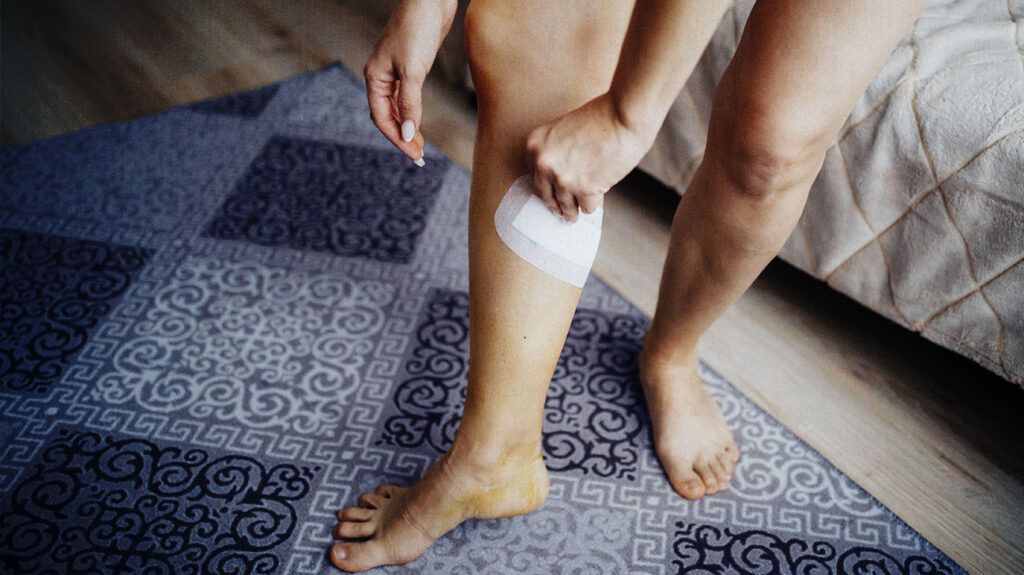
Applying pressure to the wound is
Place a clean and dry piece of material such as a bandage, towel, or cloth on the wound and apply pressure with both hands.
Maintain firm and continuous pressure until the bleeding has stopped.
Checking too soon to see if the bleeding has stopped may interfere with the healing process.
Reducing the flow of blood will also help stop the bleeding, so raise the affected area if possible.
If the injury is to the hand or arm, simply raise it above the head. If the injury is to a lower limb, lie down and raise the affected area above the level of the heart.
Applying ice to a wound will constrict the blood vessels, allowing a clot to form more quickly and stop the bleeding.
The best way to do this is to wrap ice in a clean, dry cloth and place it on the wound.
Tea is a popular remedy to treat bleeding after dental work. Place a steeped black teabag that has been allowed to cool in the fridge on the wound.
Using teabags
Tannins contain astringents, which cause blood vessels to constrict. They are also an antiseptic that kills bacteria and helps the site stay free of infection.
Petroleum jelly is a blend of oils and waxes that protects the skin and is found in many cosmetics, including lip balms and Vaseline products.
Fans of boxing and martial arts may have seen fighters’ cuts treated with petroleum jelly.
Petroleum jelly is best used to halt the bleeding from shallow cuts. Wipe the skin dry beforehand and clean the wound to remove any remaining jelly after the bleeding has stopped.
Even if the bleeding has stopped, it is important to keep the wound clean to prevent an infection.
Rinse the wound itself with cool water and use soap to wash the surrounding area. Avoid getting soap in the wound.
If possible, remove any dirt or debris inside the wound with tweezers. It is important to clean the tweezers with rubbing alcohol before using them.
There are several types of bleeding that can be life threatening, including:
- blood that is spurting out of the wound
- blood that will not stop coming out of the wound
- blood that is pooling on the ground
- blood-soaked clothing
- blood-soaked bandages
- loss of all or part of an arm or leg
- when the bleeding person becomes confused or unconscious
In these cases, seek medical help immediately by calling 9-1-1 or the country’s emergency services number.
Even if the bleeding has stopped, a person should visit their doctor if:
- the wound may need stitches
- dirt is not removable easily
- there may be internal bleeding or shock
- there are signs of an infection
- an animal or human bite resulted in the injury
- the person has not had a tetanus shot in the last 5 years
Uncontrolled bleeding is the
Using simple home remedies, a person can stop minor bleeding at home. Once the bleeding has stopped, a person should cover minor wounds with a bandage to prevent infection.
Ways to stop bleeding at home include:
- applying pressure or ice to the area
- raising the affected area
- applying petroleum jelly
Vaseline, a brand name for petroleum, does not directly stop the bleeding but can help prevent infection and halt bleeding from shallow cuts.
Although it is unlikely that any bleeding that could be stopped at home would be severe enough to be life threatening, it is still important to know ways in which a person can stop minor bleeding. Ways to stop minor bleeding include applying pressure, placing ice, and raising the affected area.
A person can treat many minor cases of bleeding with at-home remedies, but more severe forms of bleeding, such as controlled bleeding, blood spurting from a wound, or blood-soaked bandages, will need prompt medical treatment.