
The amount of fiber a person should eat per day can vary. Dietary guidelines suggest that an adult should aim for approximately 28–34 grams (g), depending on factors such as age and sex.
Children and some adults may need to aim for less. A less common problem occurs when a person consumes too much fiber too quickly, which can lead to digestive issues. It is important to consume the right amount of fiber each day, spread throughout the day.
High fiber foods are an essential part of a healthful weight loss diet, and meeting the daily recommended intake of fiber can provide numerous health benefits.
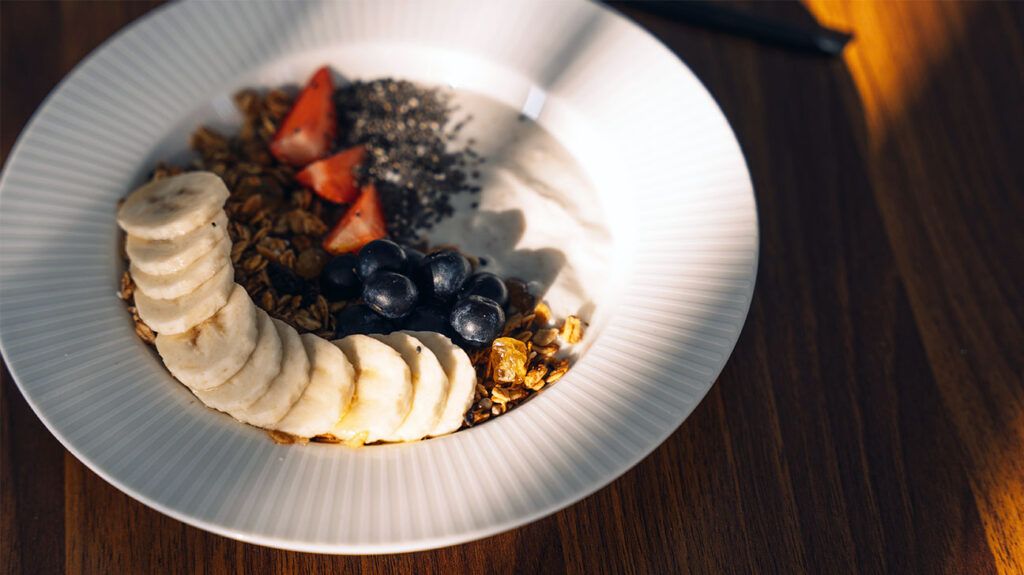
Fiber is the carbohydrate component of plant-based foods that the body does not digest or absorb as it moves through the intestine.
The optimal amount of daily fiber intake varies depending on a person’s age and sex. The current 2025
- adult men require about 34 grams (g), depending on their age
- adult women require about 28 g, depending on their age
The new dietary guidelines for 2026 onwards will be available in 2026.
Intakes of fiber vary for certain groups, as energy requirements vary at different life stages. For example, children consume less than adults, with the following lower and upper bounds representing females and males, respectively:
- teenagers ages 14 to 18 require 25 to 31 g
- adolescents ages 9 to 13 require 22 to 25 g
- children ages 4 to 8 require 17 to 20 g
- children ages 1 to 3 require 14 g
Eating too much fiber can also cause bloating, gas, and constipation. According to a 2025 review, consuming too little fiber can increase the risk of developing various chronic diseases, such as cardiovascular disease or certain types of cancer.
In addition to consuming a healthy amount of fiber, it is also essential to ensure that the daily diet is balanced with a variety of nutrients and vitamins.
The following example meal plan ensures that a person can hit or slightly exceed their recommended daily intake of fiber while eating balanced meals:
| Meal | Food | Fiber content (g) |
| Breakfast | ¾ cup Bran flakes | 5 |
| 1 cup plant-based milk | 0 | |
| 1 medium banana | 2.6 | |
| Snack | 1 medium apple | 4.4 |
| Lunch | 1 cup baked beans | 6.8 |
| 1.5 cups broccoli | 7.7 | |
| Dinner | 1 medium baked potato with skin | 3.8 |
| 3 oz. wild salmon | 0 | |
| 2 cups spinach salad with olive oil-based dressing | 1.4 | |
| Dessert | Plain low-fat yogurt | 0 |
| 1 cup sliced strawberries | 3.3 | |
| Chopped almonds (13 g) | 1.7 | |
| Total daily intake | 36.7 |
A person can use the
People who want to lose weight can eat fiber-rich foods because they tend to be low in calories and high in nutrients, which helps make a person feel full for longer. By adding bulk and slowing digestion, fiber helps a person feel fuller for longer and minimizes cravings, which is beneficial when trying to lose weight.
According to 2025 research, over 90% of Americans fail to meet their daily fiber requirement. Eating more dietary fiber, including fruits, vegetables, whole grains, and legumes, is an essential part of maintaining a healthy weight.
Research also shows, however, that increasing fiber, primarily through a diet rich in plant-based foods, alongside regular exercise, can contribute to weight loss.
When trying to lose weight, start by aiming to reach the recommended daily allowance by basing meals around fiber-rich foods and including regular exercise.
Be careful with the promise of high fiber dietary supplements promoting weight loss.
When increasing the amount of fiber in your diet, it is best to start slowly, gradually increasing it to allow your digestive system time to adjust.
Consuming too much fiber, especially in a short period, can lead to adverse effects. Consequences of consuming too much fiber include:
- bloating, gas, and cramping
- decrease in appetite
- risk of a blocked intestine if consuming too much fiber
There are two types of fiber: insoluble and soluble.
Insoluble fiber, also known as cellulose, does not dissolve in water but helps increase the movement of waste products through the digestive tract, thereby aiding in the prevention of constipation.
Soluble fiber includes pectin and beta-glucans. It dissolves in water to form a gel in the large intestine.
Fiber-rich foods typically contain both soluble and insoluble fiber. Healthful sources of fiber include:
- oats
- bran
- fruits, such as berries, apples, prunes, and figs
- vegetables, such as broccoli, sweet potatoes, and cauliflower
- wholegrains, such as barley, quinoa, and wild rice
- whole wheat or granary bread
- nuts, including almonds, peanuts, pistachios, and pecans
- seeds, including ground flaxseeds, chia, and pumpkin
- pulses like beans, lentils, and peas
- psyllium husk
Fiber is an essential part of a healthful, balanced diet and has many benefits, including:
- improving digestive health
- preventing constipation
- reducing the risk of heart disease
- reducing the risk of type 2 diabetes
- reducing the risk of colon cancer
- reducing low-density lipoprotein (LDL) levels, which is “bad” cholesterol
- improving the glycemic index (GI) in individuals with diabetes
- increasing satiety or feeling fuller for longer
Fiber also contains the prebiotics fructo-oligosaccharides (FOS) and inulin. Prebiotics have a beneficial effect by encouraging the growth and activity of probiotics, the beneficial bacteria that reside in the gut, as well as the production of short-chain fatty acids (SCFAs).
The recommended daily amount of fiber per day for an adult is 22 to 34 g.
High fiber foods include:
- legumes such as beans and peas
- whole grains such as oats and bran
- fruits and vegetables such as berries and apples
Regular bowel movements can mean a person is getting enough fiber.
Fiber intake is best met by eating a variety of foods as part of a healthy, balanced diet. Eating more plant-based meals, switching to whole grain options, and snacking on fruit throughout the day can help you meet the recommended daily allowance.
Individuals not currently consuming a high amount of fiber should increase their intake gradually over several weeks to help minimize gas and discomfort.
Drink plenty of water throughout the day, and always chew food slowly and thoroughly. It takes time for the gastrointestinal system and gut to adjust to changes, including an increase in fiber intake; however, the ultimate effects are all for the better.