
Ehlers-Danlos syndrome (EDS) is a group of genetic disorders that affect the body’s connective tissues, including those in the joints, skin, and blood vessels.
There are several different types of EDS. Research suggests these collectively affect 1 in 5,000 to 250,000 people globally. However, some forms of the syndrome are very rare and affect only a few individuals worldwide.
This article explains the symptoms, causes, and treatments of EDS.
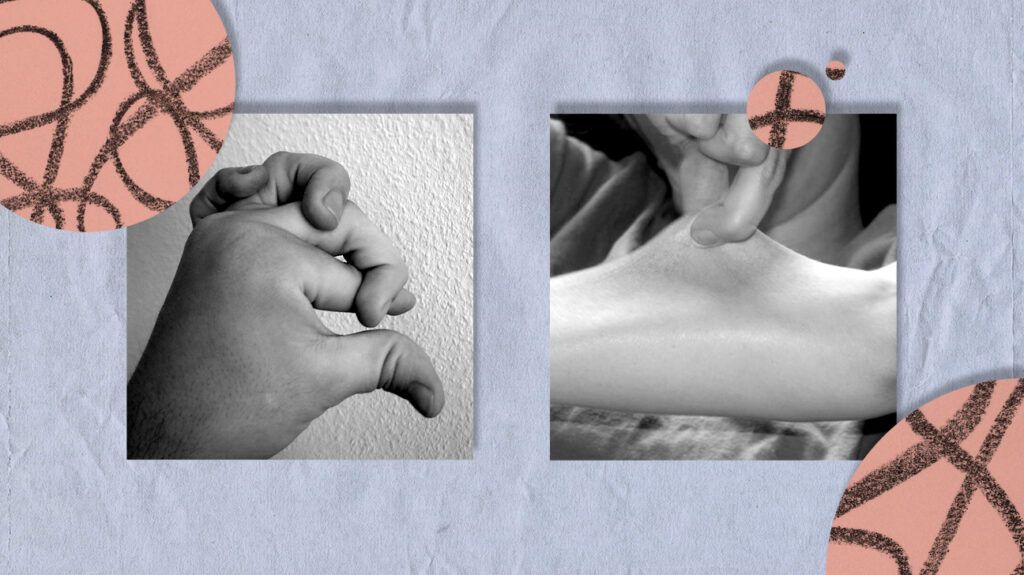
Ehlers-Danlos syndrome (EDS) affects the connective tissues in the body. Connective tissues are proteins and other substances that provide strength and elasticity.
They provide support within tissues throughout the body, such as the:
- blood vessels
- bones
- skin
- muscles
- tendons
- ligaments
- gums
- organs
- eyes
EDS affects the composition of these connective tissues, which
EDS
Symptoms may include:
- loose, unstable, or painful joints
- joints that move beyond the usual range of motion
- soft, fragile, overly stretchy skin
- bruising easily
- slow healing wounds
- scoliosis, which is an abnormal curvature of the spine
- breathing difficulties
- fatigue
- mitral valve prolapse, a heart condition
The vascular type of EDS can cause severe symptoms, including the rupture of the walls of the blood vessels, uterus, or intestines.
This damage can lead to serious complications, especially during pregnancy. It may even be fatal if the larger blood vessels rupture.
There are 13 subtypes of EDS, and the clinical criteria that characterize each subtype may overlap:
- Hypermobile EDS (hEDS): hEDS is the most common type. It can cause skin and joint issues, fatigue, mood problems, and digestive issues.
- Classical EDS (cEDS): cEDS also causes joint problems, but people with this type may have more skin symptoms than those with the hypermobile type. It can also cause fragile blood vessels.
- Vascular EDS (vEDS): vEDS is a rare type that affects the blood vessels and internal organs, including the colon and uterus. People with vEDS may have unusual facial features, such as hollow cheeks, and prominent eyes, due to less fat beneath the skin.
Other less common types
Other types of EDS include:
- classical-like EDS
- cardiac-valvular EDS
- arthrochalasia EDS
- dermatosparaxis EDS
- kyphoscoliotic EDS
- brittle cornea syndrome
- spondylodysplastic EDS
- musculocontractural EDS
- myopathic EDS
- periodontal EDS
EDS is a genetic disorder, which means that one or more genetic variations are responsible for the symptoms. Variations in at least 20 genes can result in someone being born with EDS.
Some forms of EDS are inherited, meaning that a parent can pass the gene to their child. The child will have the same type of EDS as their parent.
According to the National Organization for Rare Disorders, the risk of an affected parent passing on the mutation to their child is either 25% or 50%, depending on whether the inheritance is dominant or recessive. The subtypes of EDS have different inheritance patterns.
In some cases, the gene variant may not come from either parent. It can result from a noninherited, spontaneous genetic mutation that occurs in the egg or sperm.
To diagnose EDS, a doctor will perform a physical examination and take a personal and family medical history.
Characteristic skin and joint symptoms and a family history of the disorder
However, people can have a few symptoms of EDS and not have the condition. For example, joint hypermobility affects approximately 1 in 30 people, making it very common.
Anyone with concerns that they may have EDS can speak with a doctor.
Although there is
Physical therapy and exercise
People may require physical therapy to help them manage their joint symptoms and reduce the risk of dislocations. It is vital to work with a physical therapist who is familiar with the condition.
In addition to exercises, the therapist may recommend braces or splints to provide support to weak joints.
Medication
EDS may cause chronic pain and discomfort in the joints, muscles, or nerves. It can also cause stomach problems and headaches. Medication can be an important part of a pain management strategy.
For daily management, people may take over-the-counter pain relief, such as acetaminophen (Tylenol) or ibuprofen (Advil, Motrin). Acute injuries may require prescription pain relief.
A doctor may prescribe other medications for additional symptoms. For example, people with vEDS may need blood pressure-lowering medications to reduce the risk of ruptured blood vessels.
Surgery
In some cases, surgery may be necessary to:
- repair joint damage
- fix ruptured blood vessels
- provide joint stabilization
- reduce pressure on the nerves
However, due to the skin symptoms that EDS causes, such as slow healing, surgery poses
Lifestyle changes
People with EDS may be able to manage their symptoms by:
- avoiding contact sports, weightlifting, and other activities that put too much strain on the joints or increase the risk of injury
- wearing protective, supportive equipment during activities
- trying swimming, Pilates, yoga, or other gentle workouts
- getting enough rest and establishing a good sleep pattern
- avoiding hard foods and chewing gum, which increases the risk of injury to the jaw
- taking breaks during dental work to prevent straining the jaw
EDS poses unique challenges, and people with the condition can benefit from the support of others.
Someone with EDS can seek support from friends and family members, healthcare professionals, and speak with employers or teachers about support.
Local and virtual support groups may also offer peer support or health advocacy support, including the following:
- The Ehlers-Danlos Society virtual support groups
- The EDS Clinic virtual support group
- The vEDS Movement virtual support group
The outlook for Ehlers-Danlos syndrome
People with vEDS have a higher risk of organ or blood vessel rupture, but taking precautions and getting the right treatment can help.
For example, the authors of a long-term 2019 study reported that the participants with vEDS who received celiprolol, a blood pressure-lowering medication, had a high survival rate and a low yearly occurrence of arterial complications.
Although EDS can cause uncomfortable symptoms, lifestyle changes and medical treatments can provide relief, improve quality of life, and reduce the risk of injury and complications.
Ehlers-Danlos syndrome (EDS) affects the body’s connective tissues. This condition can cause joint hypermobility, skin hyperextensibility, and more. There are 13 subtypes of the disease.
Treatment for EDS may depend on the subtype and severity of a person’s symptoms. However, doctors may recommend medications to manage symptoms, physical therapy, and lifestyle changes.
Not everyone with joint hypermobility has EDS. Anyone who thinks they may have EDS can speak with a healthcare professional for a full diagnosis.