
The primary treatment for acute lymphoblastic leukemia (ALL) is chemotherapy. People with ALL generally receive a combination of chemotherapy drugs over the course of a few years.
ALL can grow rapidly, so most individuals will begin chemotherapy shortly after a diagnosis. Doctors usually administer drugs for this treatment in three phases: induction, consolidation, and maintenance. These phases vary in intensity and duration.
People will receive treatment in cycles, which allows for rest and recovery after periods of treatment.
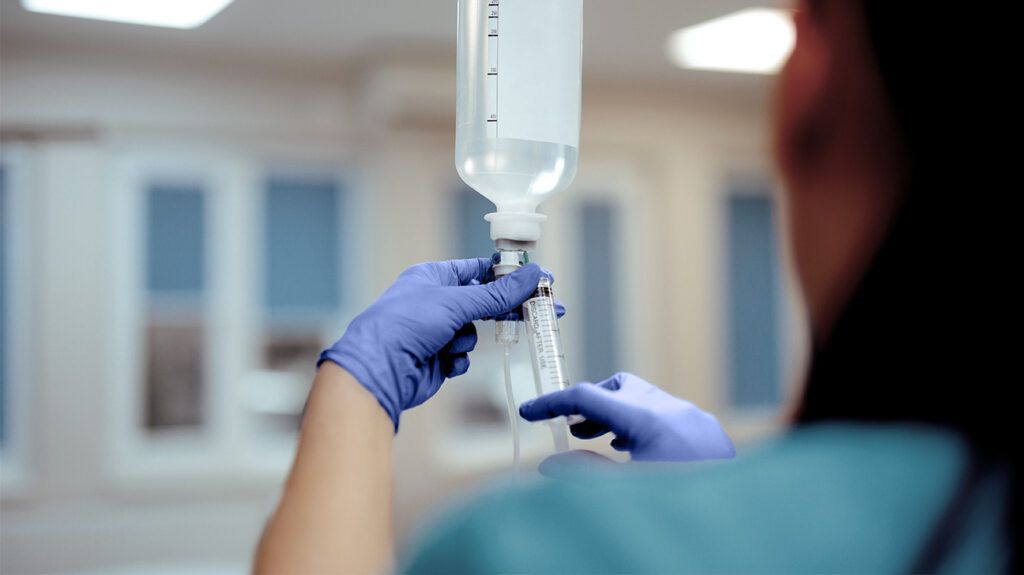
Induction treatment is the first intensive stage of chemotherapy and usually lasts for around
The aim of induction treatment is to get ALL into remission, which means:
- doctors cannot find any leukemia cells within a bone marrow biopsy
- healthy bone marrow cells return
- blood count levels are typical
During this time, a person will undergo one or two cycles of chemotherapy. Doctors may typically use a combination of two or three of the following chemotherapy drugs:
- vincristine
- dexamethasone or prednisone
- doxorubicin or daunorubicin, which are anthracycline drugs
Even if ALL goes into remission, some leukemia cells may remain in the body, meaning further treatment is necessary.
Individuals will also have treatments to prevent ALL from spreading to the central nervous system (CNS) or to treat ALL if it has already spread there. These treatments may include chemotherapy or radiation therapy and continue through all three treatment phases.
Consolidation treatment, which usually lasts for a
The consolidation phase involves another intensive course of chemotherapy drugs at high doses. People may have treatment in the hospital as they still require supportive care.
Doctors typically use the same chemotherapy drugs that were in the induction phase but may also use cytarabine and mercaptopurine.
In some cases, people may also have a stem cell transplant at this stage.
After the consolidation phase, most people will undergo maintenance treatment as outpatients. Maintenance treatment involves ongoing chemotherapy for 2 to 3 years.
The most common maintenance treatment is a combination of methotrexate and mercaptopurine, which people take orally. Doctors may also combine these with other chemotherapy drugs, such as vincristine and prednisolone.
The
- daunorubicin, also known as daunomycin, or doxorubicin (Adriamycin)
- vincristine or liposomal vincristine (Marqibo)
- cytarabine, also known as cytosine arabinoside or ara-C
- L-asparaginase or PEG-L-asparaginase (pegaspargase or Oncaspar)
- methotrexate
- cyclophosphamide
- prednisone
- 6-mercaptopurine (6-MP)
- nelarabine (Arranon)
- dexamethasone
People may have several different chemotherapy drugs throughout their ALL treatment course rather than all of the above.
Doctors consider various factors to determine the best chemotherapy regimen for each person,
- untreated ALL
- ALL that is in remission or recurrent
- overall health
- a person’s preferences
- potential side effects
Doctors may decide to use certain chemotherapy drugs within a regime based on a person’s prognostic factors. This includes factors
If people are
According to the
Response rates can vary depending on a range of factors, such as ALL subtype, age, and other prognostic factors.
People undergoing chemotherapy may find the following resources helpful:
- National Cancer Institute:
Chemotherapy and You support booklet - American Cancer Society:
Support services and programs - CancerCare: Support services for people with ALL
- Leukemia & Lymphoma Society: Support resources
Chemotherapy for ALL may last up to 3 years. During this time, the treatment generally divides into three main phases, each with different time frames.
Combination chemotherapy uses more than one chemotherapy drug to treat cancer. It may reduce the number of cancer cells that survive, reduce drug resistance in cancer cells, and improve treatment response.
People with specific ALL subtypes or less favorable outlook factors may have stem cell transplantation if they are in remission but with a high risk of relapse.
Risk-adjusted therapy alters a treatment plan based on risk and outlook factors. For people who have ALL and favorable outlook factors, less intensive treatment may still be effective whilst minimizing drug toxicity and side effects.
Ph+ ALL occurs if leukemia cells have a chromosome change called the Philadelphia chromosome. Those with Ph+ ALL may need additional treatments alongside chemotherapy, such as targeted drugs or stem cell transplants.
Chemotherapy targets the whole body to destroy cancer cells. As leukemia cells can spread throughout the body, this technique is the main treatment for acute lymphoblastic leukemia (ALL).
Doctors use a combination of chemotherapy drugs to help improve the likelihood of killing cancer cells. People with certain types of ALL may also need additional cancer treatments alongside this approach.