
Healthy aging involves a range of strategies that keep the mind and body as healthy as possible as a person enters their later years. These strategies include nutrition, exercise, and social connection.
Healthy aging practices may help prevent or delay some of the conditions associated with aging, such as cognitive impairment and osteoporosis.
They can also help a person maintain a higher quality of life for longer, allowing for more independence and greater well-being across their life span.
Read on to learn the definition of healthy aging and ways to practice it.
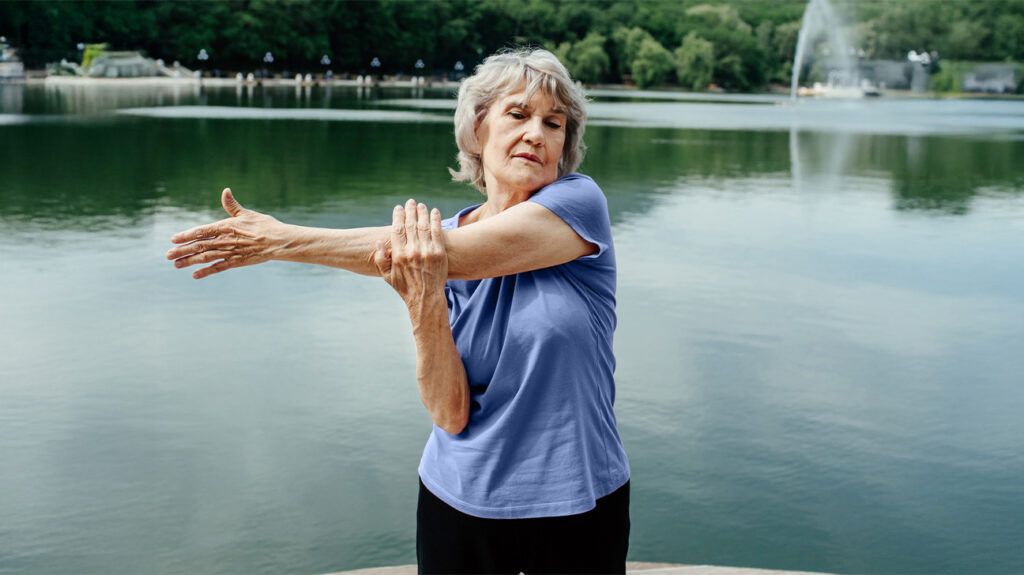
Healthy aging involves taking steps to promote health throughout the life span, especially in older age. This may help with:
- maintaining independence
- preventing health conditions
- improving quality of life
- increasing longevity
People can start taking steps toward healthy aging
The
Below are some of the factors that help with healthy aging.
Nutrition is important for growth and development in childhood and continues to be important throughout life.
While there is no single “best” diet that will suit every person, a
- fruits
- vegetables
- nuts
- legumes, such as lentils and chickpeas
- unsaturated fats, such as olive oil
- low fat dairy products
In contrast, people who consumed more sodium, sugary drinks such as soda, and red or processed meats were less likely to experience healthy aging.
There are also some specific nutrients that are especially important for older adults, including:
- calcium, magnesium, and vitamin D, which strengthen bones
- B vitamins, which are essential for cognitive function (thinking ability and memory) and nerve function
- potassium, which may help
reduce the risk of high blood pressure, stroke, and type 2 diabetes in people with low intakes
To start a diet that promotes healthy aging, people may find it helpful to make one change at a time or to swap less nutritious foods for more nutritious alternatives.
People who have difficulty getting enough sun exposure, eat restricted diets, or have problems with nutrient absorption may need to talk with a doctor about taking supplements.
Being physically active has a range of benefits for people of all ages. According to the
- keep muscles strong
- increase bone health
- improve mood and sleep quality
- improve balance, reducing the risk of falls and injuries
- lower blood pressure
- reduce the risk of dementia, depression, diabetes, heart disease, stroke, and eight types of cancer
reduce the risk of death from any cause
The
Examples of aerobic exercise include:
- brisk walking
- jogging or running
- cycling
- dancing
Examples of strengthening exercises include:
People should aim to exercise at least 3 days each week, for a total of 150 minutes of moderate to vigorous activity per week.
However, it is important to remember that any movement is better than none. If a person cannot exercise consistently or for very long, starting with light exercise or short workouts can still bring significant benefits.
Both exercise and nutrition also benefit a person’s mental health and cognitive function. Here are some other ways people can look after their brain health as they age:
Getting enough sleep
Getting enough sleep helps the brain work well. Adequate sleep plays a role in memory, learning, and problem-solving and supports emotional well-being.
Most adults need
- stress
- alcohol or smoking
- certain medications
- mental health conditions
- other underlying conditions, such as sleep apnea
People who have difficulty sleeping or staying asleep or do not feel refreshed when they wake up may want to speak with a doctor about how to address these issues.
Social connection
Loneliness and isolation can harm health in people of any age. These issues are
Creating social connections has tangible benefits for health and well-being. Social connections can reduce loneliness, provide meaning in a person’s life, and give them a support network.
Ways to reduce isolation include:
- talking with neighbors
- using technology to keep in touch with friends or family
- joining group activities or exercise classes
- joining a community organization or volunteering
- adopting a pet
Managing stress and mental health
According to a 2022 review of past research, long-term stress may speed up the aging process and lead to the earlier onset of several health conditions, such as cardiovascular disease.
Stress can also contribute to depression, which is common in older adults. According to the WHO, mental health conditions account for
Decreasing stress and treating mental health conditions can lead to substantial improvements in mood and quality of life.
Practices that can support mental well-being at any age include:
- Reducing avoidable stress: Where possible, reduce sources of stress that are not necessary. This could involve saying “no” more often, setting healthy boundaries, or solving problems.
- Learning coping skills: Mindful activities such as meditation, deep breathing exercises, and relaxation techniques can reduce stress when it occurs.
- Practicing self-care: All of the above strategies, including diet, exercise, and sleep, can benefit a person’s mental health.
- Avoiding substance use: While some people feel that alcohol or tobacco may help them temporarily cope with stress, these substances have a negative effect on mood and physical health over time.
- Reaching out for help: Seek support for stress that is unavoidable or overwhelming or for signs of mental health conditions.
According to the WHO,
This means that a person’s environment and circumstances play a large role in determining their future health.
For example, poverty, housing, and pollution can all affect health, as can access to nutritious food and healthcare. Forms of discrimination, such as ageism, can also have an impact.
People may not always be able to control these factors, but there are things within their control. For example, they may be able to:
- try at-home workouts or video tutorials if it is not safe to exercise outside
- volunteer for, or buy food from, community gardens or co-ops
- learn recipes for healthy meals on a budget
- use mobile health services or screenings if they cannot drive or if they live in a rural area without easy access to healthcare facilities
- look into low cost mental health support
- access help from community organizations, programs, and support networks
Preventive healthcare can reduce the risks of certain health conditions as a person gets older. People can make the most of it by:
- attending regular checkups
- visiting the dentist at least
once per year - using sunscreen to reduce the risk of skin cancer
- getting routine health screenings, such as Pap smears and prostate exams
- staying up-to-date with vaccinations that reduce the risk of serious infections
If a person has a family history of certain conditions, they can also let doctors know about this, as it may influence their decisions around screening or tests.
A list of preventive and screening services is available on the Medicare website.
Healthy aging can help people maintain better health for longer, improving their quality of life and independence as they age.
People can start practicing habits that promote healthy aging at any time, no matter their age or physical ability. These habits can involve making dietary changes, reducing stress, getting enough sleep, and exercising regularly.
Those who have difficulty making these changes may be able to reach out to healthcare professionals or their community for help.
Healthy aging resources
To discover more evidence-based information and resources for healthy aging, visit our dedicated hub.