
It is not possible to physically remove pimples or get rid of them overnight. However, home care tips can help reduce swelling and pain and make pimples less noticeable.
Treatments for pimples and acne take time to work. Individual pimples may take a few days or weeks to heal completely.
The amount of time it takes for a blemish to disappear can depend on its size, severity, and how a person treats it. For example, picking or popping the pimple may increase scarring.
In this article, we will discuss how people can treat pimples at home to reduce their appearance quickly, and more long-term options for acne treatment.
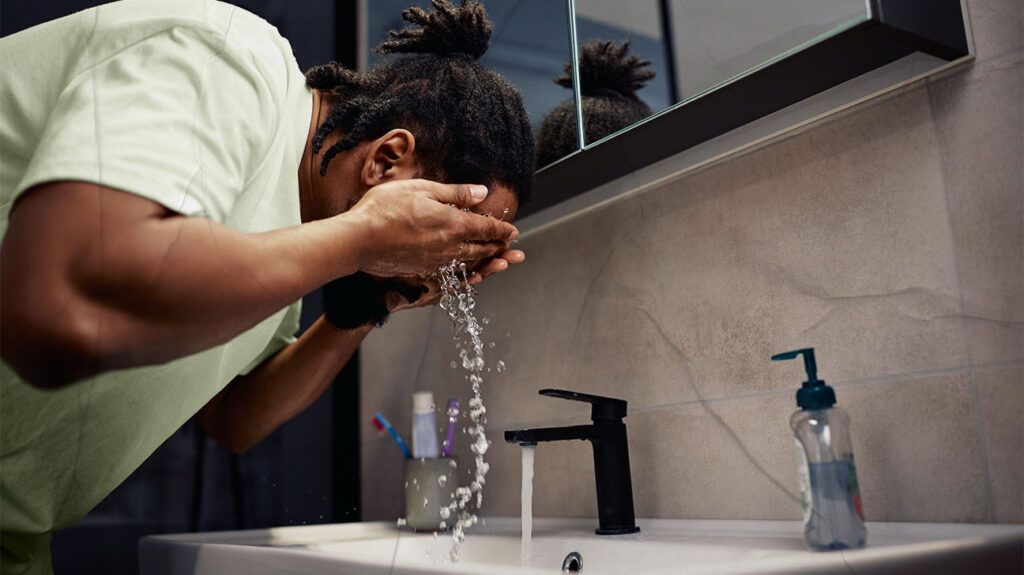
To treat a new pimple at home, people can:
- Gently wash the skin.
- Apply a warm compress. To make one, soak a clean washcloth in water and apply it to the pimple for 10 to 15 minutes.
- Pat the skin dry with a clean towel.
- Apply an acne treatment containing active ingredients such as benzoyl peroxide, salicylic acid, or adapalene.
- Avoid touching or squeezing the spot.
Some people also report a benefit to using hydrocolloid dressings or patches on their acne. These patches absorb the fluid inside pimples, helping them shrink more quickly.
A small 2024 randomized controlled trial involving teens and young adults found that using hydrocolloid patches resulted in reductions in size and texture over 14 days in comparison to a control group.
People can apply hydrocolloid patches after following the above steps. While pimples may not be entirely gone by the next morning, they may look smaller or less inflamed.
For persistent acne, a person may wish to consider treatment from a doctor or dermatologist. There are numerous treatments people can try, including:
- salicylic acid
- azelaic acid
- benzoyl peroxide
- adapalene
- retinoids
Topical treatments can reduce inflammation, unblock pores, and reduce the production of sebum, or skin oil. They can also inhibit the growth of bacteria. However, they take time to work.
According to the American Academy of Dermatology (AAD), it can take up to 4 months before people see an improvement in acne, especially in severe cases. They recommend sticking with new acne products for at least 6 to 8 weeks before moving on to something else.
If a person’s acne proves resistant to topical treatment, a doctor may prescribe oral treatment instead. Depending on the cause of the acne, oral retinoids, antibiotics, or hormonal medications such as the birth control pill may help.
Optum Perks is owned by RVO Health. By clicking on this link, we may receive a commission. Learn more.
Some people may wish to try alternatives to medical treatment.
There are many complementary therapies, supplements, and topical treatments people use for acne. However, not all of them are supported by evidence.
Some of the alternative remedies that may be effective in reducing acne include:
Green tea
According to a
Because green tea is anti-inflammatory, antioxidant, and antimicrobial, it may work against acne in several ways, reducing inflammation and bacteria on the skin.
People may apply fresh green tea to the skin, use skin care products containing green tea, or drink green tea.
Tea tree oil
Tea tree essential oil is a popular home remedy for pimples. According to the
Always dilute essential oils in a carrier oil, such as jojoba, at a safe concentration before applying to the skin.
Although research suggests essential oils may have some health benefits, it is important to remember that the Food and Drug Administration (FDA) does not monitor or regulate the purity or quality of these oils. A person should talk with a healthcare professional before using essential oils and research the quality of a particular brand’s products. It is also important to always do a patch test before trying a new essential oil.
Copaiba oil
Copaiba oil-resin is a traditional antiseptic and anti-inflammatory. There is some evidence that copaiba oil topical gel is effective against mild acne.
A
It is a popular myth that toothpaste helps to treat acne, but the AAD does not recommend using toothpaste on pimples. They also advise against:
- Scrubbing: It is not possible to scrub acne away, and harsh scrubbing can make acne worse. Instead, dermatologists recommend gently washing the face.
- Tanning: Tanning does not reduce acne. Tanning also damages the skin, increasing the risk of people developing melanoma and other skin cancers.
- Popping: Popping pimples can make acne more noticeable, as it encourages irritation and inflammation. Popping acne can also lead to scarring or infection.
While acne remedies may help with existing pimples, it is also important to take steps to prevent new breakouts. The following guidelines from the AAD can help a person get started:
- Keep the skin clean: Cleanse the face twice per day with lukewarm water and a gentle, nonabrasive cleansing product. It is also a good idea to cleanse after sweating or wearing makeup.
- Use suitable skin products: After cleansing, use skin care and makeup products that are noncomedogenic. This means they will not clog pores or cause acne. A light, alcohol-free moisturizer and sunscreen can keep skin hydrated and protected from UV damage.
- Maintain personal hygiene: Avoid touching the face, and wash things that come into contact with it, such as bed linens, regularly. People should also wash items like makeup brushes, face cloths, and face masks regularly.
Acne can have various causes, and what works for one person may not work for another. If the tips above do not help, or if acne is persistent or severe, it is best to consult a doctor.
People cannot remove pimples overnight, but home care can lessen swelling and may improve the appearance of pimples. Keeping the area clean, using hot compresses, and applying topical treatments can help.
For persistent or recurring pimples, people may wish to try ongoing acne treatments. Trying simple preventive measures may be enough to reduce breakouts. Others may wish to seek advice from a dermatologist.