
Yoga is a mind and body practice that combines movement, meditation, and breathing. People practice yoga for many reasons, from physical fitness to spiritual enlightenment.
Yoga is an ancient practice that originated in Hinduism. Over time, yoga has evolved into different branches, each with its own approach and aims.
This article explores the history, philosophy, health and wellness benefits, and various branches of yoga.
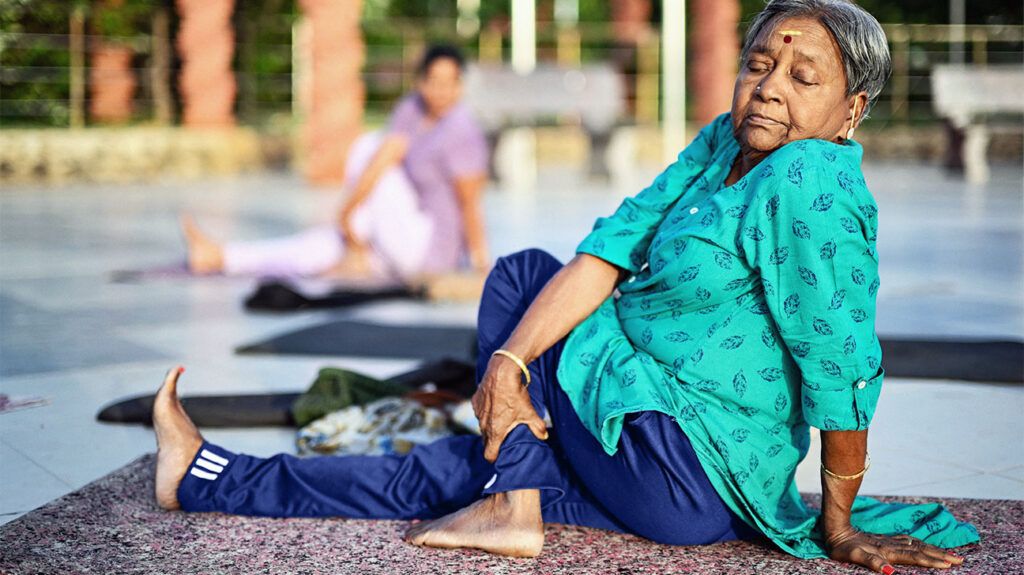
Yoga is a mind-body practice that combines three key elements:
- movements, or postures (asana)
- breathing (pranayama)
- meditation (dhyana)
People often practice yoga for health reasons, such as increased flexibility, strength, or mental well-being. Originally, though, yoga was a philosophy and spiritual practice.
There are an estimated 300 million yoga practitioners worldwide, from various religions and backgrounds. Most practitioners reside in India, but there are also significant numbers in Europe and the United States.
The history of yoga spans 2,500 to 5,000 years, with the first mention of “yoga” appearing in one of the oldest collections of writing in the world: the Rigveda.
The Rigveda is one of Hinduism’s four sacred texts, or Vedas. These texts discuss, among other things, how to live a moral and harmonious life.
Over time, the principles of yoga spread to other countries and cultures, as well as to some other religions, such as Buddhism.
After Europeans colonized India, they and some prominent Indian thinkers became more interested in yoga as a form of physical activity or exercise.
Over 100 to 150 years, this gave rise to a form of yoga more heavily focused on fitness than spirituality.
Because there are so many forms of yoga, there is no single, unifying philosophy that they all share.
However, one of the oldest philosophical concepts in yoga is that humans embody two realities: purusha, or pure consciousness, and prakriti, or matter.
From this perspective, the aim of yoga is to enable people to connect with pure consciousness. The word “yoga” comes from the Sanskrit word “yuj,” which means “union” or “to join”.
Later, the sage Patanjali, sometimes known as the “father of yoga”, taught that yoga has eight “limbs”:
- outward conduct (yama), which includes values such as nonviolence, moderation, and honesty
- personal conduct (niyama), which includes values such as cleanliness, discipline, and self-study
- physical postures (asana)
- breath work (pranayama)
- withdrawal of the senses (pratyahara), such as from distractions
- concentration (dharana)
- meditation (dhyana)
- enlightenment (samadhi)
Another aspect of yoga in Hinduism is the belief in chakras, which are centers of energy within the human body. They are not physical entities like organs, but nonphysical entities, as is the energy or “prana” that flows through them.
The word “chakra” means “wheel” or “mystical circle” in Sanskrit. They get their name from the belief that chakras move in circles, funneling energy from the universe into human beings.
When energy becomes blocked in a chakra, proponents believe it can trigger physical, mental, or emotional imbalances. Somee people who practice yoga use it free energy and stimulate an imbalanced chakra.
There are seven major chakras in Hinduism:
- Sahasrara: The crown chakra, which is at the crown of the head, symbolizes spiritual connection.
- Ajna: Located between the eyebrows, the third eye chakra relates to intuition.
- Vishuddha: The throat chakra corresponds to verbal communication.
- Anahata: The heart chakra, which is in the center of the chest, influences relationships.
- Manipura: The solar plexus chakra is in the stomach area. It corresponds to self-confidence, wisdom, and self-discipline.
- Svadhishthana: The sacral chakra, which is beneath the belly button, connects pleasure, well-being, and vitality.
- Muladhara: The root chakra at the spine’s base connects the mind and body to the earth to keep a person grounded.
There are many styles of modern yoga. People can choose a style based on their aims and experience level.
Some types and styles of yoga include:
Hatha yoga
This is a generic term for any type of yoga that focuses on physical poses. Hatha classes usually serve as a gentle introduction to the basic poses of yoga.
Ashtanga yoga
Ashtanga yoga is a rigorous type of yoga that involves following sequences of postures while synchronizing the breath. It is more physically demanding than some other types of yoga.
Bikram yoga
Bikram yoga, also known as hot yoga, is an intense form of yoga created in the 1970s. It involves following a precise sequence of 26 poses and two breathing exercises, at a temperature of nearly
Iyengar yoga
This type of yoga practice focuses on finding the correct alignment in each pose, using props such as blocks, blankets, straps, chairs, and bolsters.
Kripalu yoga
This type teaches practitioners to know, accept, and learn from the body. A student of Kripalu yoga learns to find their own level of practice by looking inward.
The classes usually begin with breathing exercises and gentle stretches, followed by a series of individual poses and final relaxation.
Kundalini yoga
Kundalini yoga is a system of meditation that aims to release pent-up energy at the base of the spine.
A Kundalini yoga class typically begins with chanting and ends with singing. In between, it features asana, pranayama, and meditation that aim to create a specific outcome.
Sivananda
This system uses a five point philosophy as its foundation.
This philosophy maintains that proper breathing, relaxation, diet, exercise, and positive thinking work together to create a healthy yogic lifestyle.
Yin yoga
Yin yoga focuses on holding stretching poses for long periods of time. This style of yoga targets deep tissues, ligaments, joints, bones, and fascia.
Restorative yoga
This is a relaxing form of yoga. In a restorative yoga class, a person spends time in a few simple poses, using props such as blankets and bolsters to sink into deep relaxation without exerting any effort when holding the pose.
According to the
- reducing stress
- improving sleep
- improving balance and flexibility
- reducing muscle tension, tension headaches, neck pain, and back pain
- relieving menopause symptoms, such as hot flashes
There is also some evidence that yoga may be a beneficial complementary therapy for some health conditions, such as:
It is advisable to consult a medical professional, if possible, before starting a yoga practice.
Many types of yoga
However, as with any form of physical activity, there is a risk of injury. The most common injuries among people practicing yoga are sprains and strains. Serious injuries are rare.
Beginners can reduce the risk of injury by slowly building up to more challenging poses. Do not try difficult poses that involve a risk of falls, such as a headstand, right away.
If possible, older adults, pregnant people, and those with preexisting conditions should consult a healthcare professional before taking up yoga. Some people may need to modify or avoid some yoga poses.
Yoga is not a replacement for medical treatment, although it can be a helpful addition. People managing a condition or experiencing symptoms should seek medical advice wherever possible.
Yoga is an ancient practice that has changed over time. Modern yoga focuses on poses that promote physical well-being, while older forms of yoga focus on spiritual growth.
There are many different types of yoga available. The style a person chooses can depend on several factors, such as their own goals, preferences, and physical ability.
If a person is unsure, they could speak with a yoga instructor or teacher for more information and guidance on how to get started.