
Key takeaways
- Rib cage pain has many potential causes, including injury (broken or bruised ribs, pulled muscle), costochondritis, infections like pneumonia, fibromyalgia, lung cancer, and pulmonary embolism.
- Pain may feel sharp, dull, or aching and can be constant or intermittent. It may worsen with deep breathing, coughing, or movement.
- A person should contact a doctor if they have unexplained rib cage pain or if it worsens. Seek emergency care if they experience sudden chest pain that spreads to their shoulders, arms, jaw, or back, especially with dizziness, shortness of breath, or sweating.
The rib cage typically consists of
Many cases of rib cage pain are not linked to serious conditions and resolve on their own or with minimal treatment. Others, however, are medical emergencies requiring immediate intervention.
This article examines six possible causes of rib cage pain and when to connect with a healthcare professional.
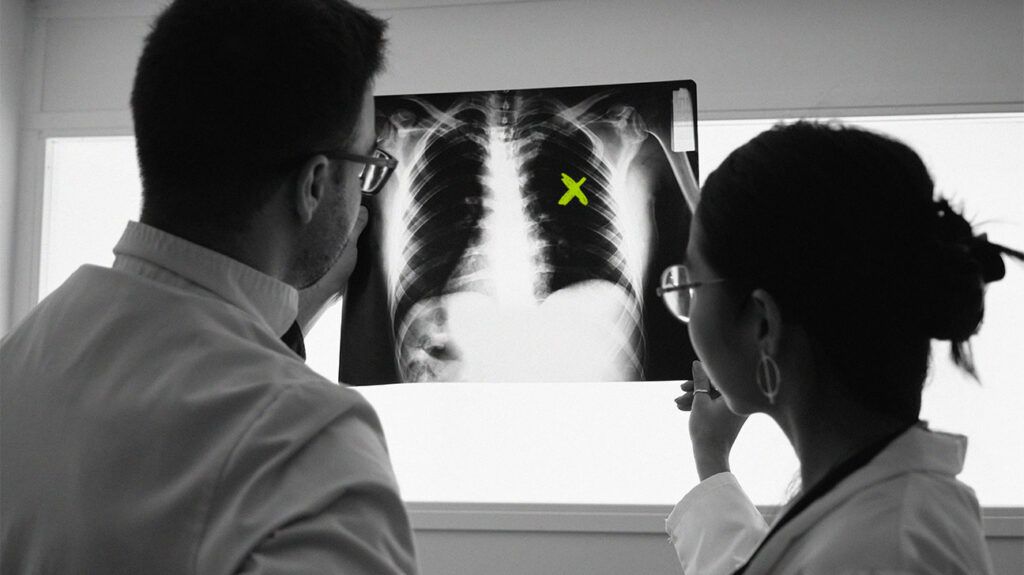
Injury to the chest from falls, traffic collisions, and sports-related contact is a common cause of rib cage pain. Types of injury include:
- broken ribs
- bruised ribs
- fractured ribs
- pulled muscle
Costochondritis, or Tietze’s syndrome, is another
Rib cage pain due to costochondritis ranges from mild to severe and may feel sharp or dull, worsening with movement, such as deep breathing, coughing, or stretching.
Some cases of costochondritis resolve on their own, while others require medical intervention.
Rib pain may be due to infections, such as:
The pain may be due to the infection itself, a pulled rib muscle from coughing, or pleurisy. Pleurisy occurs when the pleura, the tissue between the lungs and the rib cage, becomes inflamed.
Other causes of pleurisy
Lung cancer is the
Other symptoms may include:
The outlook for lung cancer is less favorable than that of other forms of cancer, and it is the leading cause of cancer death among males and females in the United States.
People with early stage lung cancer have a
Metastatic lung cancer, or cancer that begins in one area and spreads to the lungs, can be life threatening. It can also cause pain in the rib cage or chest.
Fibromyalgia is a chronic condition that causes pain throughout the body. The American College of Rheumatology estimates that it affects up to 4 in 10 people and is more common in females.
Fibromyalgia pain may be burning, throbbing, stabbing, or aching. These pains
A pulmonary embolism occurs when something blocks an artery going into the lungs. The blockage is
As well as rib cage pain, a pulmonary embolism may cause the following symptoms:
- shortness of breath
- rapid breathing
- coughing, including coughing up blood
- anxiety
- lightheadedness
- sweating
- irregular heartbeat
Pulmonary embolism is a serious condition that can damage the lungs and other organs due to reduced oxygen in the blood. Anyone experiencing these symptoms should get immediate medical attention.
Rib cage pain may occur in the chest, below the ribs, or above the navel. As there are various potential causes of rib cage pain, symptoms can vary. Pain may be:
- sharp
- dull
- aching
- sudden
- slow to develop
- constant
- intermittent
- worse when breathing in or moving
People may also experience other symptoms, such as bruising or tenderness of the ribs or difficulty breathing.
Various underlying injuries or conditions can cause rib cage pain. People should consult a doctor if they have unexplained rib cage pain.
People should seek emergency medical treatment if they experience any of the following symptoms, as these
- sudden chest pain
- chest pain that spreads to the shoulders, arms, jaw, or back
- chest pain accompanied by other symptoms, such as dizziness, shortness of breath, and sweating
Medical Perspective“Chest pain is an emergency if it lasts more than a minute. It is always better to get chest pain checked out to confirm the problem is not serious.”
— Meredith A. Goodwin, MD, FAAFP
Learn more about chest pain that comes goes.
Quotes represent the opinions of our medical experts. All content is strictly informational and should not be considered medical advice.
What causes pain on the right side of the rib cage?
There are many potential reasons why the right side of a person’s rib cage is hurting. Often, this is due to
What causes rib pain without injury?
Some causes of rib pain that are not a result of injury include costochondritis, infection, lung cancer, fibromyalgia, and pulmonary embolism.
These conditions may also cause other symptoms. People should speak with a doctor for a proper diagnosis.
When should someone be concerned about rib pain?
There are many potential causes of rib pain. People should contact a doctor if the pain worsens or does not resolve.
People should contact emergency services if the rib pain is severe and accompanied by other symptoms, such as shortness of breath.
What can mimic rib pain?
A person may mistake other conditions for rib pain. For example, a condition affecting the heart or lungs may cause referred pain in the ribs. However, there could also be less severe causes, such as indigestion.
To get an accurate diagnosis, a person should contact a doctor if they experience rib pain.
There are various potential causes of rib cage pain, many of which are not linked to serious conditions and resolve on their own. However, other cases may require medical treatment and long-term care.
The cause of the rib pain may be a disease or condition not listed above. It helps to be vigilant for other symptoms that accompany the rib cage pain and to report these to a doctor.
A doctor may use a physical exam or imaging tests to diagnose the underlying cause of rib pain.