
Key takeaways
- There is no direct scientific proof that beet juice improves erectile dysfunction (ED), but many believe it helps due to its nitric oxide content, which widens blood vessels and is often found in ED supplements.
- Beet juice may help lower blood pressure because of its high nitrate levels, which could improve blood flow to the penis, addressing ED symptoms related to high blood pressure.
- Beets are nutritious, containing beneficial compounds like folate, potassium, and betalains, offering antioxidant and anti-inflammatory effects that contribute to overall health.
Erectile dysfunction (ED) is the inability to have or maintain a penile erection. It mainly affects people
ED is strongly associated with cardiovascular disease, diabetes, high cholesterol, high blood pressure, and other conditions.
Many people who experience ED feel uncomfortable seeking help from a doctor, despite treatments being available. They may prefer to try home remedies first, such as beet juice, to manage the condition.
Although there is no strong scientific evidence that beet juice can help with ED, it might support overall health and improve some factors related to ED.
This article discusses how drinking beet juice may help manage the symptoms of ED.
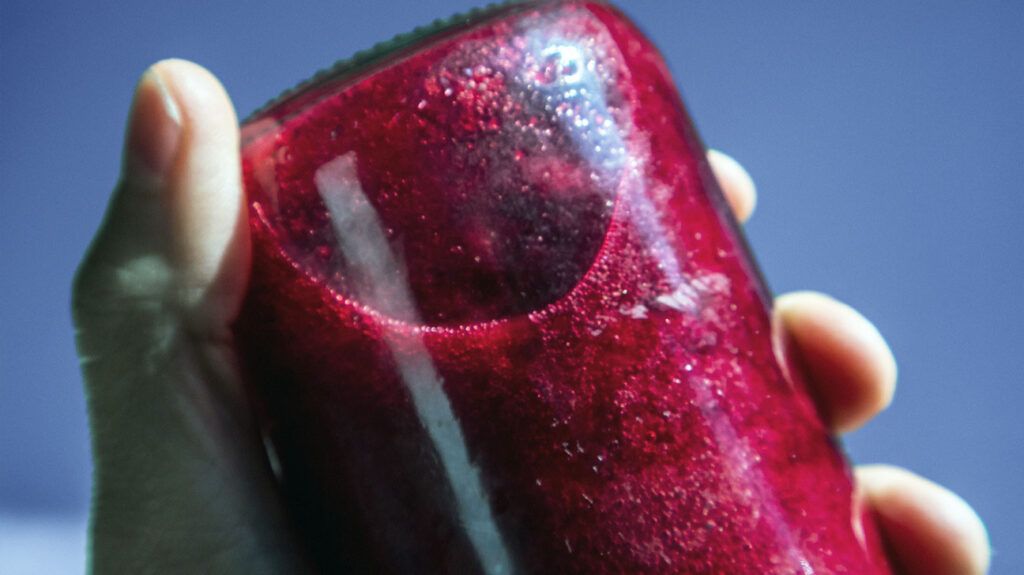
Anecdotally, some people say that drinking beet juice helps them get or keep an erection. The following sections discuss how beet juice may help.
Nitric oxide
Nitric oxide (NO) is commonly sold as an ED supplement.
Beet juice does not contain NO, but the nitrates it contains help the body produce NO. The body produces NO naturally, but its levels decline as a person ages.
According to a 2021 review, NO influences specific parts of the brain that are connected to the spinal cord. This link helps the brain communicate with the genitals and affects sexual activities such as erection, intercourse, sexual desire, arousal, and pleasure.
NO also plays a role in relaxing the muscle cells in the walls of the blood vessels, so they can open up to allow blood to flow. Lower levels of NO in the blood may contribute to poor blood flow and impact the abitlity to get an erection. This can be exacerbated by other conditions that affect blood flow, such as hardening of the arteries or atherosclerosis.
Like beet juice, the following foods contain nitrates:
- spinach and other leafy greens
- citrus fruits
- broccoli
- cabbage
- seeds
- dark chocolate
Reduced blood pressure
High blood pressure may influence ED, as it may make it difficult for blood to flow to the penis to enable an erection.
According to a 2024 review, taking 200 to 800 milligrams (mg) of nitrate-rich beet juice per day can lower systolic blood pressure in people with high blood pressure. In cases where high blood pressure causes ED, this could theoretically help relieve the symptoms of ED. However, more rigorous research is necessary to investigate this effect.
Drinking one cup of beet juice each day may be enough to experience this benefit.
Similar to many juices, beet juice is best served fresh. Processing the root and stem of fresh beets in a juicer can create beet juice very quickly. Many grocery stores or juice bars also sell beet juice.
Beet juice has an earthy flavor that may be unpleasant to some people. It can be mixed with celery juice, ginger, apples, or oranges to sweeten it and improve the flavor.
There are no guidelines or approved recommended daily intake for beet juice. However, drinking it in moderation is usually safe.
If a person is taking medications, they may wish to talk with a doctor before adding beet juice to their diet regularly.
When taken in moderation, most people can enjoy beet juice safely and regularly without the risk of side effects.
The most common side effect is beeturia, a condition in which the urine turns a reddish color after a person eats beets. This is normal and will go away once the beets are cleared from the digestive system.
Risks of consuming too much beet juice include:
Lowered blood pressure
Nitrates can dilate blood vessels in the body and lower blood pressure, so anyone taking medication for high blood pressure may want to talk to their doctor before including beet juice in their diet.
People with low blood pressure may wish to avoid beet juice, as it may cause blood pressure to decrease further.
Cancer
According to a 2020 article, drinking too much beetroot juice (BRJ) may increase the risk of cancer due to the way the body converts nitrates into harmful nitrosamines.
Nitrosamines are cancer-causing agents formed from nitrate breakdown. The process can damage DNA, potentially leading to cancer development.
Increased blood sugar
People with diabetes should be aware that beets are high in natural sugars. Juicing removes most of the fiber, so the sugar may cause glucose spikes in the bloodstream.
People with diabetes may wish to monitor their blood sugar levels after drinking beet juice and adjust their insulin as necessary.
Kidney stones
Anyone with a history of urinary stones caused by calcium oxalate may wish to avoid drinking beet juice regularly. Beets are high in oxalates, which may bind to calcium in the kidneys and form these stones.
Optum Perks is owned by RVO Health. By clicking on this link, we may receive a commission. Learn more.
Lifestyle choices are important contributing factors for ED. Making changes to the diet and daily activities may help prevent ED for some people. Examples include
- managing stress, which could involve meditation or counseling
- being physically active
- maintaining a healthy weight
- talking with a sexual partner to avoid anxiety and insecurity
- limiting alcohol intake and quitting smoking if necessary
Beet juice may have some benefits for people with ED. Drinking a cup each day may help the body produce nitric oxide, which helps improve blood flow to organs, including the penis.
The nitrate content of beet juice can be dangerous if people consume it in large amounts, so always drink it in moderation.
Beet juice may help manage ED, but it is not a replacement for medical treatments.
Living with ED can take a toll on a person’s mental health and sexual relationships. Doctors can prescribe effective treatments and give advice about lifestyle measures that can help.