
Key takeaways
- It is not safe to drink alcohol before or after taking antihistamines, such as Benadryl. This is because it can increase the side effects of both substances. Some of these side effects, such as drowsiness, can be dangerous, especially if a person wishes to drive or operate heavy machinery.
- It is best to consult with a doctor or pharmacist to determine when it would be safe to consume alcohol after taking Benadryl, as this will depend on factors such as age or other types of medication.
- If a person has combined alcohol and Behadryl, they should stay in a safe place, avoid driving, and keep well-hydrated. If symptoms worsen, they should contact a doctor or other healthcare professional. For severe symptoms, such as difficulty breathing and seizures, a person should seek emergency medical help.
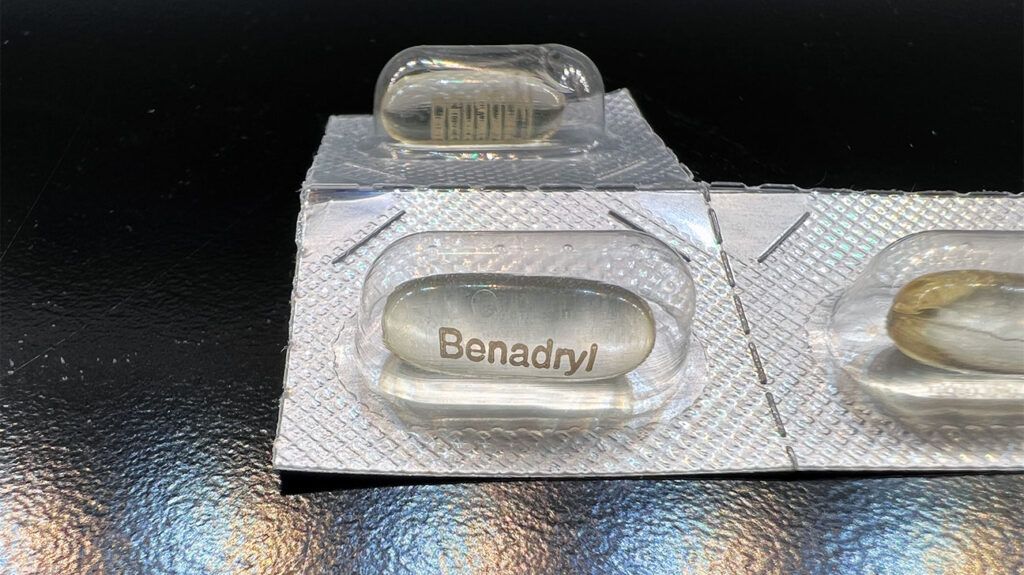
Benadryl is the brand name for an antihistamine known as diphenhydramine. The drug helps to reduce allergy symptoms, including rashes, coughs, and irritated eyes, throat, and nose.
A person should avoid consuming alcohol before or after taking Benadryl. While it does not impact the liver, Benadryl is a central nervous system (CNS) depressant, the same as alcohol.
When taken with alcohol, the combined impact on the CNS can produce heightened side effects.
A
- drowsiness
- Impaired coordination
- headache
- euphoria
- dehydration
- nausea and vomiting
Some of these side effects, such as drowsiness and impaired coordination, can be dangerous, especially if a person wishes to drive or operate heavy machinery.
It is possible that the risks associated with combining Benadryl and alcohol may not apply to everyone. However, it is best to avoid drinking alcohol when taking Benadryl.
Complications in older adults
Alcohol can affect older adults differently compared to when they were younger. The
- drowsiness
- balance
- coordination
- attention skills
- driving skills
Drinking alcohol alongside taking Benadryl can worsen these side effects, potentially resulting in more dangerous outcomes, such as an increased risk of falls, car crashes, and other injuries.
Interactions with other types of medication
Benadryl may interact with other types of medication, which can heighten the side effects. Taking these other types of medications with alcohol could also increase the risk of side effects.
Examples of medications that may interact with Benadryl include:
- antidepressants
- stomach ulcer medication
- cough and cold medication
- other antihistamines
- diazepam (Valium)
- sedatives
Other sources of alcohol
Some types of medication, including cough syrup and laxatives, also contain alcohol. Taking Benadryl with these medications when consuming very small amounts of alcohol may still increase the risk of adverse side effects.
Antihistamines are usually divided into two different groups, which include:
- Drowsy: These make a person feel sleepy. Examples include chlorphenamine, diphenhydramine, hydroxyzine, promethazine, and cinnarizine.
- Non-drowsy: These antihistamines are less likely to make a person feel drowsy. Examples include cetirizine, fexofenadine, loratadine, and acrivastine.
The United Kingdom’s National Health Service (NHS) states that a person should try not to drink alcohol when taking any antihistamine, as it can increase the risk of sleepiness.
A person should wait for diphenhydramine to leave their body entirely before consuming any alcohol.
A
For older adults, the half-life is 9 to 18 hours, meaning it can take about 36 hours for the drug to clear the body.
It is best to consult with a doctor or pharmacist to determine when it would be safe to consume alcohol after taking Benadryl, as this will depend on other factors, such as age or other courses of medication.
If a person has drunk alcohol while taking Benadryl, they should be aware that they may experience increased side effects. During this time, a person should avoid driving and keep well-hydrated. The symptoms should lessen over time.
If these side effects become severe, they should contact a medical professional. Emergency medical attention may be required if the following symptoms appear:
- confusion
- extreme drowsiness
- hallucinations
- seizures
- difficulty breathing
The risks associated with mixing Benadryl and alcohol may not apply to everyone or every situation. It is possible that consuming small amounts of alcohol while taking Benadryl in a safe environment will cause no harm. However, the safest option is simply to abstain from consuming alcohol while taking Benadryl.
It is important that no person drink alcohol and take Benadryl before engaging in any activity that requires mental alertness, such as driving.
If someone else has either intentionally or unintentionally mixed Benadryl with alcohol, it is important to ensure they are in a safe environment, where they can rest, if need be.