
Research suggests that Lion’s mane mushrooms may offer a range of health benefits, including reduced inflammation and improved cognitive health. People can eat them or take them in the form of supplements.
Lion’s mane mushrooms (Hericium erinaceus) are white, globe-shaped fungi that have long, shaggy spines.
People in Asia use these mushrooms for both culinary and medicinal purposes. Health food stores sell lion’s mane extract in supplement form, and both the fungus and its extracts appear beneficial to health.
Here, we discuss the potential benefits of lion’s mane mushrooms and consider the possible risks and side effects of their use.
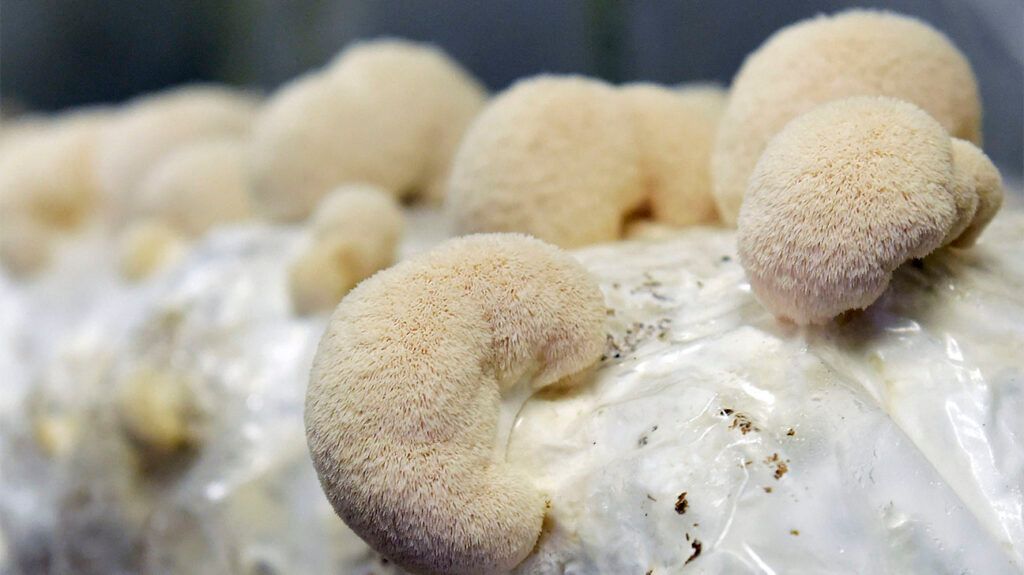
Lion’s mane is commonly used in culinary dishes. People wishing to incorporate lion’s mane mushrooms into their diet should cook them until the outer layer is crispy, as the taste can be bitter otherwise.
It is also available in supplement form. People often use these supplements to support cognitive function, immune health, and stress management.
They are available in stores and online in the following forms:
- capsule
- liquid
- tablet
- powder
Additionally, there’s growing interest in the potential topical benefits of lion’s mane, with early research suggesting its extracts may support wound healing and skin regeneration.
Whether consumed as food, taken as a supplement, or applied topically, people value lion’s mane mushrooms for their versatility and potential health benefits.
Lion’s mane mushrooms may help with the following:
Inflammation and oxidation
Antioxidants may fight both inflammation and oxidation in the body.
Inflammation contributes to many medical conditions, including diabetes, heart disease, and autoimmune diseases.
Indeed, a
Immune function
Lion’s mane mushrooms may enhance the immune system, by reducing inflammation and preventing oxidation.
The results of another study on mice indicate that a protein in lion’s mane mushrooms encourages the growth of beneficial gut bacteria that strengthen immunity.
More recently, a 2024 review agreed that various studies suggest Lion’s mane mushrooms can help boost the immune system. However, more research is needed to understand how these mushrooms work fully.
Anxiety, stress, and depression
Extracts from lion’s mane mushrooms may be beneficial in the treatment of anxiety, stress, and depression.
In 2023, researchers studied the effects of 28 days of lion’s mane supplementation in 41 healthy adults aged 18–45. Participants reported signs of reduced stress, which the researchers suggested could be linked to lion’s mane’s ability to stimulate nerve growth factor (NGF), a protein associated with mood regulation.
Similarly, a 2022 animal study found that combining chlorella and lion’s mane mushroom mushroom had an antidepressant-like effect at increasing dopamine levels in mice. Dopamine plays a key role in mood regulation, and imbalances often link to conditions like depression and anxiety.
Cognitive health
Lion’s mane mushrooms might boost cognitive function, but the research is mixed.
One 2023 study concluded that lion’s mane might improve cognitive function. Participants who took a single dose demonstrated quicker performance on a task, indicating that it may potentially improve processing speed.
However, another 2022 study found that 4 weeks of lion’s mane supplementation on a group of students demonstrated no positive effect on cognitive function.
Ultimately, further research is needed to understand its potential better.
Cancer
The antioxidant properties of lion’s mane mushrooms may play a role in cancer prevention or treatment.
The results of an older
These findings are promising, but it is not currently possible to confirm that the same effects will apply to people.
Diabetes
Controlling blood sugar levels is key to managing diabetes.
In
However, more studies need to confirm this effect in living organisms.
Digestive health
Lion’s mane may help digestive health by fighting inflammation, boosting immune function, and encouraging the growth of good gut bacteria.
A 2023 animal study found that lion’s mane supplementation promoted the growth of beneficial gut bacteria while reducing harmful ones, showing a prebiotic effect. This may help improve gastrointestinal health and manage disorders like inflammatory bowel syndrome (IBS) and inflammatory bowel disorder (IBD).
However, more clinical research is needed to understand its therapeutic potential fully.
Wound healing
Extracts from lion’s mane mushrooms may provide healing benefits for skin wounds.
Some animal studies have found that topical application of lion’s mane extract leads to faster healing of wounds.
However, more extensive research is necessary for the medical community to recommend lion’s mane mushrooms for topical use on humans.
Nervous system recovery
Damage to the nervous system can have significant effects on health.
According to a 2023 review, various studies have shown that lion’s mane may significantly affect nerve growth, regeneration, and protection, with potential therapeutic applications for neurodegenerative diseases, nerve injuries, and cognitive function.
Most studies on lion’s mane mushrooms have used animals, but it
The safety and effectiveness of lion’s mane supplements are less apparent because dietary supplements do not have the same regulations as food and drug products.
The dosages of these supplements vary, and people should follow the instructions on the label carefully. It is also advisable to discuss the use of any new supplement with a doctor.
People who experience adverse reactions to lion’s mane mushrooms should stop using them and seek immediate medical attention.
What does lion’s mane do for the body?
As discussed in detail above, lion’s mane may offer some of the following benefits for the body:
- boosts cognitive function
- supports depression and anxiety symptoms
- helps wounds heal faster
- improves gastrointestinal health
- reduces inflammation
- helps manage diabetes symptoms
- prevents cancer
- reduces inflammation
- improves immune function
However, more human research is needed to validate some of these findings.
Who should avoid lion’s mane?
The safety of lion’s mane has not been well-studied in certain groups, including:
- children
- pregnant or breastfeeding people
- older people
People with a mushroom allergy or those taking blood thinners may also need to take precautions regarding lion’s mane.
A person should speak with a doctor before taking a supplement due to the potential for interactions with medications.
Does lion’s mane increase estrogen?
There is no strong scientific evidence to suggest that lion’s mane mushroom significantly affects estrogen levels.
Lion’s mane mushrooms and their extracts show promise in animal and in vitro studies. However, there is not yet enough evidence to support their use for treating or preventing any health condition in humans.
It should be safe for most people to enjoy lion’s mane mushrooms for culinary purposes. However, people who wish to take lion’s mane supplements should speak to a doctor first.