
To manage shingles and prevent symptoms from worsening, a person should avoid irritating the rash. Those with active shingles should also avoid contact with at-risk groups, such as pregnant people.
Herpes zoster — otherwise known as shingles — is a
Protecting the skin may help ease the rash’s pain and reduce the risk of secondary bacterial infections. Lifestyle changes will not cure the reactivation, but they can help reduce pain.
Avoiding certain foods or other substances is not part of standard care for shingles. Still, maintaining a nutritious diet and reducing stress can be beneficial.
Read on to learn more about what to avoid with shingles.
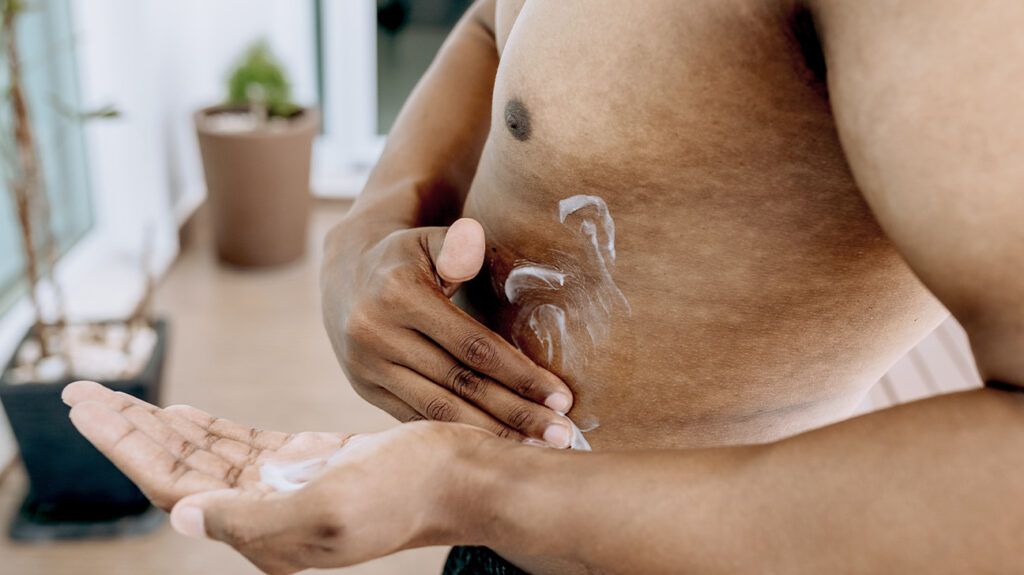
A shingles rash can be intensely painful. If the rash opens, bacteria may enter, causing an infection that may be dangerous and even more painful.
A person needs to avoid irritating the
- keeping it covered, preferably with gauze
- using topical creams a doctor has prescribed to ease pain and reduce infection
- moisturizing the rash once blisters have crusted
- avoiding scratching the rash
- trying cooling or warm compresses to ease burning and pain
- asking a doctor about pain medication if a person cannot stop rubbing or scratching the rash
- avoiding tight or irritating fabrics that may chafe the skin
- gently patting the rash dry when it is wet or a person sweats
It is not always possible to know whether a person is at risk. Therefore, people with a shingles rash should cover the rash and avoid close personal contact with those who might contract the chickenpox virus.
A person with a shingles rash should also
- newborns and young babies
- low birth weight or premature babies
- pregnant people
- people undergoing cancer therapy
- organ transplant recipients
- people with HIV
Several triggers
- emotional stress
- drugs that suppress the immune system, such as chemotherapy drugs or certain drugs people take for organ transplants
- illness
- cancer
- exposure to the chickenpox virus
Vaccination, handwashing, and similar strategies can reduce the risk of illness, including the chance of getting shingles. However, once a person has shingles, there is no clear evidence that reducing exposure to triggers will make the rash heal more quickly.
A person taking drugs that weaken the immune system should contact their doctor about whether to continue these drugs. Avoid starting or stopping any new medication without first talking with a doctor.
A weakened immune system due to stress may also cause the rash to last longer. People experiencing chronic or acute stress should explore options for managing their stress, including stress about shingles. Treating shingles may reduce pain and emotional distress about the virus.
Managing stress offers many health benefits, so developing a plan to reduce stress may be helpful, including therapy, self-care, and support from loved ones.
Shingles does not make any specific activity impossible, but depending on the location of the rash, a person may need to avoid activities that irritate the blisters.
Some examples might include avoiding:
- sexual contact involving friction, if the rash is near the genitals
- manicures or pedicures, if the rash is on the hands or feet
- tight-fitting clothes that may irritate the rash
- saunas or high heat, since sweat might irritate the rash
- swimming, contact sports, and close contact that could spread the virus to vulnerable people
- massage, acupuncture, or other activities directly on or near the rash
Washing hands thoroughly, especially after contact with the rash, can help prevent spread.
Shingles itself is
There is no evidence that specific foods cause shingles outbreaks.
The amino acid L-arginine may help the virus replicate. A small body of evidence suggests that high levels of L-arginine may worsen shingles symptoms.
For example, a 2019 case report details the experience of an otherwise healthy 39-year-old who had recurring shingles outbreaks while taking a high dose L-arginine supplement.
Generally, individuals should avoid any foods they are allergic to or sensitive to. Eating a balanced, healthy diet may help the body recover faster.
Consult a doctor before making any major dietary changes.
Shingles can be very painful. Covering the rash can reduce the risk of infections and lower the risk of spreading the chickenpox virus to vulnerable people.
While some individuals report better outcomes with diet or other changes, no robust scientific evidence supports these claims.
Medical treatment is the fastest way to clear a shingles rash. A doctor may also prescribe medication for pain and itching.
People who think they may have shingles should speak with a doctor as soon as possible, since early treatment may help shorten the duration and reduce the risk of nerve damage.