
Okra, also known as gumbo or ladies’ fingers, is a warm-season vegetable. It is a good source of minerals, vitamins, antioxidants, and fiber. It contains a sticky juice that people use to thicken sauces.
Gumbo is popular in the southern United States, parts of Africa and the Middle East, the Caribbean, and South America.
It is an essential crop in many countries due to its high nutritional value. Also, people can use many parts of the plant, including the fresh leaves, buds, flowers, pods, stems, and seeds.
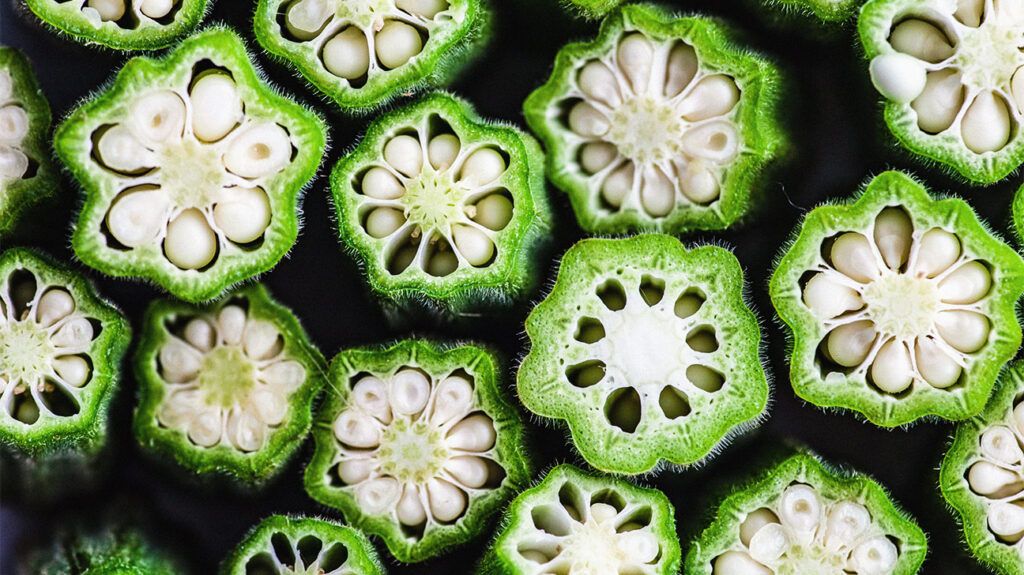
Okra has a mild taste and a unique texture, with a peach-like fuzz on the outside. Inside the pod are small, edible seeds.
This article will look at the nutritional content of okra, its possible health benefits, some recipe tips, and any possible health risks.
According to the U.S. Department of Agriculture (USDA) National Nutrient Database, one cup of raw okra, weighing 100 grams (g)
Okra also provides some iron, niacin, phosphorus, and copper.
Individual needs for nutrients vary according to age, activity level, and other factors. To help a person find out how much of a nutrient they need, the USDA provide an interactive tool.
Okra is also a source of antioxidants. Okra, its pods, and seeds contain a variety of antioxidant compounds, including phenolic compounds and flavonoid derivatives, such as catechins and quercetin.
Scientists think that these compounds may help lower the risk of cancer.
Scientists also believe that these compounds may have antimicrobial and anti-inflammatory properties.
A diet rich in fruits and vegetables can
The nutrients in okra may make it useful for preventing several health problems, including:
Cancer
Okra, beans, peanuts, and grains contain lectin, which is a type of protein.
A 2021 review noted that past research has indicated that lectins in okra may have anticancer effects. However, further research into whether okra consumption may be able to reduce cancer progression is necessary.
A low folate intake
People should aim to obtain enough folate from foods, such as okra, whenever possible.
Pregnancy and breastfeeding
Folate is also important for preventing fetal problems during pregnancy. Low folate levels can lead to miscarriage and health problems for the child, including conditions such as spina bifida.
The daily recommended intake for folate is
Diabetes
A 2023 systematic review and meta-analysis indicates that eating okra may help regulate blood sugar levels in people with prediabetes or type 2 diabetes.
The review authors concluded that incorporating okra into the diet may be beneficial in conjunction with medical treatment for diabetes.
Heart health
According to the
The Dietary Guidelines for Americans recommend eating
The guidelines also recommend that adults consume the following amount of fiber each day:
- 25 to 28 g per day for females between 19 and 50 years
- 31 to 34 g per day for males between 19 and 50 years
After the age of 50 years, they recommend a daily intake of:
- 22 g for females
- 28 g for males
Children and teenagers require different amounts of fiber, depending on their age and other factors.
People can incorporate fiber into their diet by choosing fibrous foods, such as vegetables, fruits, legumes, and whole grains.
The use of binary terms such as “male” and “female” or “men” and “women” in this article reflects the language of the sources we’ve used. Unless otherwise noted, it’s unclear whether the research we reference included participants with expansive gender identities.
Osteoporosis
Vitamin K
Consuming foods that are good sources of vitamin K may help strengthen bones and reduce the risk of fractures. However, most research has focused on vitamin K2, a form that is only present in fermented foods and animal products.
Okra, Swiss chard, arugula, and spinach are all excellent sources of vitamin K and calcium.
Gastrointestinal health
Dietary fiber helps prevent constipation and maintain a healthy digestive system.
In Asian medicine, people add okra extract to foods to protect against irritation and inflammatory gastric diseases. The anti-inflammatory and antimicrobial action may help protect against gastrointestinal problems.
Other health-related uses
Okra seeds can also provide oil and protein, and people have used them as a source of oil in small-scale production.
In regions where food is scarce, the seeds can offer a source of high quality protein.
Okra also has some uses in medicine. Scientists have used compounds found in okra to make liquids for suspending compounds, as a replacement for blood plasma, and to expand the volume of blood.
Okra requires a hot climate to grow.
People can add it to salads, soups, and stews. They can eat it fresh or dried, pickled, fried, sautéed, roasted, or boiled.
Tips for cooking
Tips for choosing and using okra include:
- Picking okra that is taut and firm to the touch.
- Avoiding pods that are shriveled, soft, or dark on the ends.
- Keeping okra dry and storing in the crisper drawer in a paper or plastic bag to stop it from becoming slimy or moldy.
- Avoiding washing it until just before use.
- Using within 3 to 4 days.
Forms of okra
People may use okra in the following forms:
- Wet okra: Cutting and cooking okra in moisture releases a slimy juice that increases the thickness of soups and stews.
- Dried okra: Dried okra can also thicken a sauce. Some people use it as an egg white substitute.
- Okra seeds: Some people roast and grind these to make a noncaffeinated coffee substitute.
Some people do not enjoy the gummy texture of okra. Cooking the whole pods quickly can avoid this.
Eating too much okra can adversely affect some people:
- Kidney stones: Okra is high in oxalates. The most common type of kidney stone consists of calcium oxalate. High oxalate foods, such as okra and spinach, may increase the risk of kidney stones in people who have had them previously.
- Blood clotting: Vitamin K
helps the blood clot, and okra’s high vitamin K content may affect those who use blood-thinning drugs. Blood thinners help prevent the formation of blood clots that can lead to a stroke or heart attack.
People who use blood thinners or who have a risk of blood clots should maintain a regular consumption of vitamin-K-rich foods.
For most people, okra, like other vegetables, is a beneficial addition to the diet. As with any food or nutrient, it is best to eat it in moderation and as part of a varied, balanced diet.
However, some people may want to consider talking with a doctor before consuming okra, as it may cause adverse effects.