Key takeaways
- Myrbetriq is a prescription medication used to treat overactive bladder symptoms, such as urinary frequency, urgency, and incontinence, in adults and children ages 3 years and older with a condition called neurogenic detrusor overactivity.
- The medication comes in extended-release tablet and granule forms, with dosages varying based on age, weight, and the condition being treated. Tablets and granules should not be used interchangeably.
- It is important to follow your doctor’s prescribed dosage and take Myrbetriq around the same time each day to maintain a steady level of the drug in your body.
Myrbetriq is a prescription drug used to treat urinary frequency, urgency, and incontinence due to:
- overactive bladder in adults
- neurogenic detrusor overactivity (overactive bladder caused by a nerve problem such as spina bifida) in children ages 3 years and older
The active ingredient in Myrbetriq is called mirabegron. It belongs to a group of drugs known as beta-3 adrenergic agonists. This article describes the dosages of Myrbetriq, as well as its strength(s) and how to take it.
At this time, generic versions of Myrbetriq aren’t available.
The following information describes dosages that are commonly used or recommended for Myrbetriq. Be sure to take the dosage your doctor prescribes for you. They’ll determine the best dosage to fit your needs. In some cases, doctors may adjust your dosage from those mentioned here.
Myrbetriq forms
Myrbetriq comes as an extended-release oral tablet and extended-release oral granules. The granules are mixed with water to make a liquid suspension.
Extended-release forms release the medication slowly into your body as they pass through your digestive system.
Mybetriq tablets and granules are not interchangeable. You should not switch between them. Further, they should not be used together to achieve the required dose.
Myrbetriq strengths
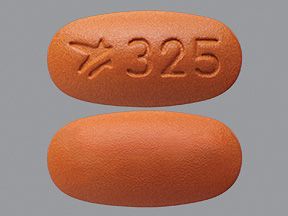
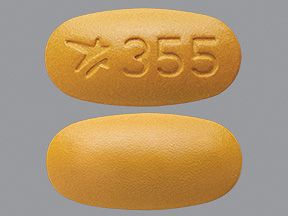
The extended-release tablets come in a strength of 50 milligrams (mg).
The extended-release granules are mixed with 100 milliliters (mL) of water to make a liquid suspension with a strength of 8 mg per mL (mg/mL). This suspension will usually be mixed by your pharmacist.
Myrbetriq is approved to treat the following conditions:
- overactive bladder in adults
- neurogenic detrusor overactivity (overactive bladder caused by a nerve problem such as spina bifida) in children ages 3 years and older
The prescribed Myrbetriq dosage may vary depending on the condition it’s being used to treat. Always follow your prescribing doctor’s instructions. Notify them if you experience any side effects that may prevent you from taking your medication.
Dosage for overactive bladder
The usual starting dose for overactive bladder in adults is 25 mg once per day. Your doctor may prescribe Myrbetriq on its own or with another drug called Vesicare (solifenacin). Your dosage of Myrbetriq will be the same in both cases.
If you still have overactive bladder symptoms after 4 to 8 weeks, your doctor may increase your Myrbetriq dosage to 50 mg once per day. This is the maximum daily dose of Myrbetriq.
Dosage for neurogenic detrusor overactivity
Myrbetriq is only approved to treat neurogenic detrusor activity (overactive bladder caused by a nerve problem such as spina bifida) in children. To read about the recommended dosage for this condition, see “Children’s dosage” just below.
Optum Perks is owned by RVO Health. By clicking on this link, we may receive a commission. Learn more.
Myrbetriq is approved to treat neurogenic detrusor overactivity in children ages 3 years and older. The recommended dosage depends on your child’s body weight.
Children weighing less than 35 kg (about 77 lb)* will be prescribed Myrbetriq granules.
Children weighing 35 kg (about 77 lb) or more may be prescribed Myrbetriq granules or tablets. This depends on whether the child can swallow tablets easily.
The usual recommended dosages of Myrbetriq are as follows:
| Child’s weight | Starting dosage | Maximum dosage |
|---|---|---|
| 11 kg (about 24 lb) to less than 22 kg (about 49 lb) | 3 mL of suspension (24 mg) once per day | 6 mL of suspension (48 mg) once per day |
| 22 kg (about 49 lb) to less than 35 kg (about 77 lb) | 4 mL of suspension (32 mg) once per day | 8 mL of suspension (64 mg) once per day |
| 35 kg (about 77 lb) or more | • one 25-mg tablet once per day, OR • 6 mL of suspension (48 mg) once per day | • one 50-mg tablet once per day, OR • 10 mL of suspension (80 mg) once per day |
Your child will typically take the starting dosage for 4 to 8 weeks. If they still have symptoms after this time, their doctor may increase their dosage up to the maximum dosage.
* One kilogram (kg) is about 2.2. pounds (lb).
You’ll take Myrbetriq by mouth once per day. Adults can take Myrbetriq with or without food. However, children should always take Myrbetriq with food.
It’s best to take Myrbetriq at around the same time of day. This helps maintain a steady level of the drug in your body so Myrbetriq can work effectively. Choose a dosing time that works for you and try to stick to it.
Myrbetriq extended-release tablets should be swallowed whole with a drink of water. You should not split, crush, or chew these tablets. If you have trouble swallowing tablets, see this article for tips on how to take this form of medication. You can also talk with your doctor or pharmacist.
Myrbetriq extended-release granules are mixed with water to make a liquid suspension. Your pharmacist will usually mix the suspension for you when they dispense it. They’ll supply you with an oral syringe to measure out the prescribed dose of Myrbetriq. Your pharmacist can show you how to use the oral syringe to give your child the medication.
Before you measure a dose of Myrbetriq suspension, shake the bottle vigorously for 1 minute. Then, let it stand for 1 to 2 minutes until the foam is gone.
How long do you take Myrbetriq?
Myrbetriq is usually a long-term treatment. If you and your doctor determine that it’s safe and effective for your condition, you’ll likely take it long term.
ACCESSIBLE DRUG LABELS AND CONTAINERSIf you’re having trouble reading your prescription label, talk with your doctor or pharmacist. Some pharmacies offer labels with large print, braille, or a code you scan with a smartphone to convert text to speech. If your local pharmacy doesn’t have these options, your doctor or pharmacist might be able to recommend a pharmacy that does.
If you’re having trouble opening medication bottles, ask your pharmacist about putting Myrbetriq in an easy-open container. They also may recommend tools that can make it easier to open bottles.
Here are the answers to some frequently asked questions about Myrbetriq’s dosage.
Could my doctor prescribe me a Myrbetriq dosage of 100 mg once per day?
Maybe, but it is not recommended. The maximum recommended dosage of Myrbetriq is 50 milligrams (mg) once per day. This is the maximum dosage approved by the Food and Drug Administration (FDA).
Myrbetriq 100 mg once per day has been used in older
If your urinary symptoms don’t get better with the maximum Myrbetriq dosage of 50 mg once per day, talk with your doctor. They may recommend adding a drug called Vesicare (solifenacin) to your treatment, if you’re not already taking it. Or they may recommend switching to a different medication for your overactive bladder.
If you have questions about your dose of Myrbetiq, talk with your doctor or pharmacist.
What’s the best time of day to take my Myrbetriq dosage?
There’s no best time of day to take Myrbetriq. However, you should try to take Myrbetriq around the same time each day. This helps maintain a steady level of the drug in your body, which helps it work effectively.
If you have additional questions about how to take Myrbetriq, talk with your doctor or refer to the “How to take” section below.
If you miss a dose and it’s more than 12 hours until your next dose is due, take the missed dose as soon as possible. However, if you miss a dose and it’s less than 12 hours until your next dose is due, skip the missed dose. Then, take your next dose as scheduled.
Do not take two doses together to make up for a missed dose. And do not take extra doses to make up for missing doses. Doing so can increase your risk of side effects.
To help make sure that you don’t miss a dose, try using a medication reminder. This can include setting an alarm or using a timer. You could also download a reminder app on your phone.
The Myrbetriq dosage your doctor prescribes will depend on several factors. These include:
- the type and severity of the condition you’re using Myrbetriq to treat
- the form of Myrbetriq you take
- your age
- your liver and kidney function
Other medical conditions you have can also affect your Myrbetriq dosage.
Dosage adjustments
While you’re taking Myrbetriq, your doctor may adjust your dosage from time to time. For example, your doctor may increase your dosage if your starting dosage doesn’t work well enough for you. And they may decrease your dosage if you have bothersome side effects.
Your doctor may also adjust your dosage if you start or stop taking a medication that interacts with Myrbetriq. And they may adjust your dosage if your liver or kidney function changes. In this case, they’ll follow guidelines for hepatic or renal dosing.
If your child takes Myrbetriq, their doctor may need to adjust the child’s dosage as they grow.
If you use more Myrbetriq than your doctor prescribes, you may develop serious side effects. It’s important that you do not use more Myrbetriq than your doctor advises.
Symptoms of an overdose
Overdose symptoms of Myrbetriq can include:
- heart palpitations
- increased heart rate
- increased blood pressure
If you take more than the recommended amount of Myrbetriq
Call your doctor right away if you believe you’ve taken too much Myrbetriq. Another option is to call the American Association of Poison Control Centers at 800-222-1222 or use its online tool. If you have severe symptoms, immediately call 911 or your local emergency number, or go to the nearest emergency room.
Disclaimer: Medical News Today has made every effort to make certain that all information is factually correct, comprehensive, and up to date. However, this article should not be used as a substitute for the knowledge and expertise of a licensed healthcare professional. You should always consult your doctor or another healthcare professional before taking any medication. The drug information contained herein is subject to change and is not intended to cover all possible uses, directions, precautions, warnings, drug interactions, allergic reactions, or adverse effects. The absence of warnings or other information for a given drug does not indicate that the drug or drug combination is safe, effective, or appropriate for all patients or all specific uses.