
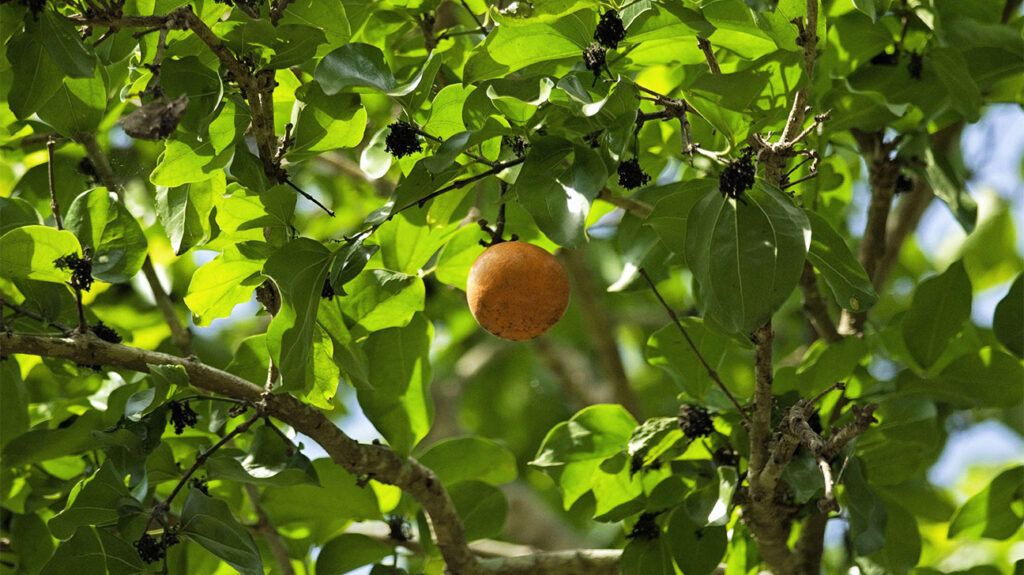
Nux vomica is the common name for a homeopathic remedy that comes from the seeds of the Strychnos nux-vomica tree. The seeds contain strychnine and brucine, which are both toxic in large doses.
People may also call the Strychnos nux-vomica tree the “vomiting nut” or the “poison nut tree.”
Someone may want to use nux vomica for a variety of issues. However, there is no high quality or large-scale scientific research to suggest it is beneficial for a person’s health. In fact, homeopathic remedies containing nux vomica seeds may cause severe toxic effects on the central nervous system.
This article discusses the proposed benefits of nux vomica, as well as the side effects and risks.
Current research into the use of nux vomica is limited and inconclusive.
Some research finds beneficial compounds in some parts of the plants, but these results may not apply to the seeds or extracts available on the market.
While certain parts of the plant may show promise in some small studies, the current evidence does not suggest healthcare professionals should recommend nux vomica to treat any health condition.
While some homeopathic remedies may have health benefits, in many cases, large-scale high quality scientific research is lacking. Sometimes the risks of toxicity and other side effects can outweigh the potential benefits.
Speak with a medical professional before trying any homeopathic remedies. Homeopathic remedies should not replace medical treatment and advice.
Few large-scale studies exist on the possible benefits of nux vomica.
Of the available research, it is essential to note that the studies may focus on one specific part of the plant, such as the flower, seed, or leaf.
Therefore, the results may not be the same for all parts of the plant.
This section discusses the proposed benefits of nux vomica.
Antioxidant effects
An older 2017 review noted that many different compounds in nux vomica make it a potent antioxidant.
This research may show that nux vomica could have some potential benefits. However, the same study also confirms that the two major active compounds, brucine and strychnine, are poisonous at high doses.
Pain relief
An older
However, the homeopathic treatment comes from the seeds, not the leaves.
In 2012, other researchers studied the effects of removing much of the strychnine from the seed. Their research found that removing this compound improved the analgesic and anti-inflammatory effects of nux vomica.
The researchers stated that this was probably due to the presence of brucine. Brucine reduced swelling and markers of pain in an animal model. More research is necessary to determine whether it has the same effect in humans.
Diabetes
An older
It is important to note that the results of animal studies are not often applicable to humans.
Influenza
In an older
However, further research into this topic is necessary.
Other proposed benefits
Some practitioners of homeopathic medicine claim that nux vomica can help treat a range of conditions, including:
- allergies
- fever
- insomnia
- numbness in the hands or legs
- hangovers
- digestive issues, such as heartburn and nausea
- headaches and migraine
- constipation
- light sensitivity
- irritability or moodiness
- stress
- back pain
- menstrual problems
- male infertility
However, there is little evidence to back up these claims. Additionally, the
- a stiff neck
- stiff facial muscles
- cramps
- anxiety
- restlessness
- skin blueness or other color changes
- excitability and fast reflexes
- convulsions with opisthotonos
People should also note that
The possibility of side effects or complications from taking nux vomica outweigh the proposed benefits. Anyone who is considering taking nux vomica should contact their doctor before doing so.
Contact with a toxic substance: What to do
If someone has come into contact with a toxic substance, take action immediately. First, reduce harm in one of the following ways:
- For swallowed poison: If a person is experiencing burning or irritation and they are conscious, not having convulsions, and able to swallow, help them drink a small amount of water or milk.
- For poison in the eye: Remove contact lenses and rinse the eye immediately under a running faucet for at least 15 to 20 minutes. Adults or older children may find it easier to rinse eyes in the shower.
- For poison on clothing: Remove the contaminated clothing immediately and rinse the skin under running water.
- For inhaled poison: Get to fresh air and stay away from the toxic fumes or gases.
Next, contact Poison Control, or ask someone else to do this. There are two methods: - call Poison Control at 800-222-1222
- use the POISONCONTROL tool
Both options provide free, expert advice on what to do in a given situation and are available 24–7.
Do not try to treat poisoning at home with ipecac syrup, charcoal, or other home remedies. These substances can be ineffective or even harmful.
While some people recommend nux vomica to help treat certain health conditions, there is no direct evidence about the safety or effectiveness of this compound.
The possibility of harmful side effects or complications from taking nux vomica, such as liver damage, outweigh the potential benefits.
People should always consult a doctor before taking new supplements or natural remedies.