
Key takeaways
- Beets may be a beneficial addition to a balanced diet for people with diabetes due to their potential to help lower blood pressure and blood sugar levels.
- The high antioxidant content in beets can help combat free radicals, potentially reducing the risk of chronic diseases.
- While beets offer nutritional value and can be incorporated into various recipes, it is important to consult with a healthcare professional before making significant dietary changes and to prioritize a balanced diet overall.
Beets are one of several varieties of Beta vulgaris, grown for their edible root and leaves. Other cultivated varieties include the sugar beet, which has white flesh, and a leafy vegetable called chard.
The vegetable is most often deep red. It is also possible to find golden, white, and striped versions of the vegetable.
This article discusses the potential health benefits of beets for people with diabetes. It also explores the nutritional profile of beets, potential risks, and how to incorporate beets into the diet.
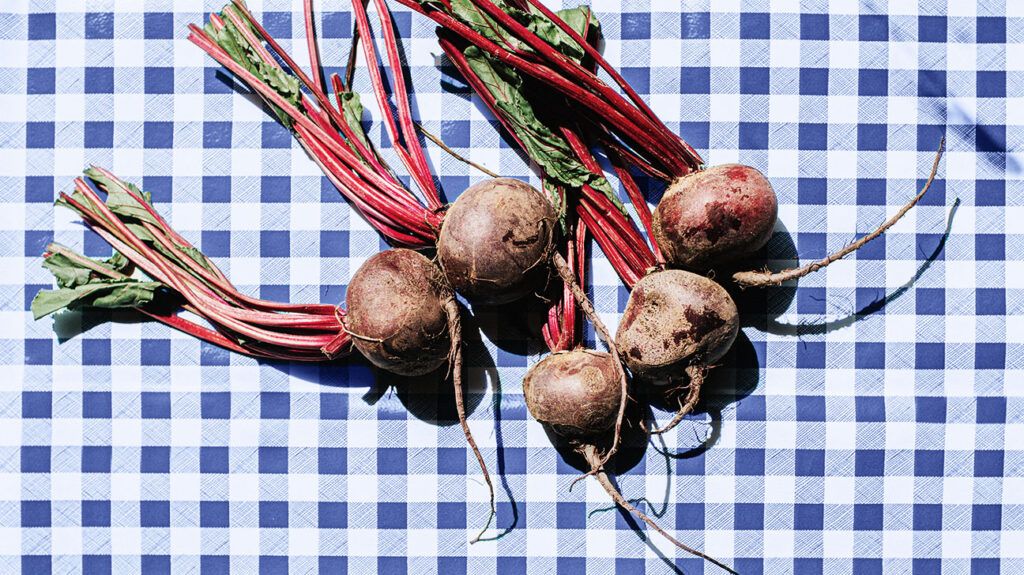
Studies have shown that beets demonstrate a range of effects that may help reduce the impact of diabetes.
Lowering blood pressure and blood sugar levels
Research suggests that eating beets or drinking beet juice might benefit people with high blood pressure. High blood pressure is common among people with diabetes, particularly those with type 2 diabetes.
A 2021 study found that consuming raw red beetroot significantly decreased blood pressure, fasting blood sugar levels, and other indicators of type 2 diabetes.
The authors also noted that the presence of nitrates in beet juice may be responsible for the pressure-reducing effect. Nitrates improve the ability of blood vessels to widen, promoting blood flow.
However, a 2022 randomized clinical trial concluded that consuming 24 milliliters (ml) of beetroot juice every day did not affect blood pressure, blood sugar, or lipid levels. The authors noted that further research is needed.
Reducing the risk of chronic disease
Beets are high in antioxidants. The
They do this by combating free radicals, or unstable molecules in the body that can damage cells. Oxidative stress refers to the cellular damage that free radicals cause. This damage may contribute to the development of chronic diseases, including cancer and heart disease.
However, the NCCIH also notes that more recent studies have suggested that large amounts of antioxidants may interfere with cell function.
Beets are extremely nutritious and low in calories, containing just 35 calories per 82 grams (g), which is roughly one beet.
The table below outlines other nutrients present in one 82 g beet:
Nutrition resources
For more science-backed resources on nutrition, visit our dedicated hub.
People should not make significant changes to their diet, such as eating large amounts of beetroot, without first speaking with a healthcare professional, such as a dietitian.
Some people experience beeturia, in which their urine or feces turns red or pink after eating beets. Beeturia does not cause any known harmful effects.
Anyone who is allergic to beets avoid consuming them altogether.
Some of the nutrients in beets reduce with longer cooking times, as do their beneficial effects.
Consequently, the most effective way to get the maximum benefits from beets is to eat them raw, either as juice or simply grated on a salad.
Beet juice can also be used as a base for fruit and vegetable juice cocktails or smoothies. Some popular juicing combinations, for one serving, include:
- two medium beets, three medium carrots, one apple
- one large beet, two apples, and one piece of ginger
- one large beet, half a pineapple, 4 ounces of coconut, and ice
- one large beet, 1 cup of strawberries, half a cup of blueberries, two apples, and ice
- one large beet, kale, three carrots, one stick of celery, and ice
People can also steam, boil, roast, or pickle beets. They form the foundation for many recipes, such as borscht, a type of soup popular in Eastern European countries.
Beetroot is also a delicious addition to risottos and a traditional accompaniment to mackerel.
A person may want to try avocado filled with cumin and pomegranate, beetroot, and shallot salsa for a starter or light snack, or reginette pasta with beetroot and sour cream sauce for a heavier main meal.
It is important to note, however, that a balanced diet containing a wide variety of nutritious foods is important for good health. A balanced diet is always preferable to one that focuses on a limited range of foods.
Some studies indicate that potential benefits of consuming beets for diabetes include lower blood pressure and blood sugar levels, as well as a reduced risk of chronic disease.
However, a person should not make significant changes to their diet, such as eating large amounts of beetroot, without first speaking with a doctor. Instead, they should aim to eat a balanced diet.
People may want to speak with healthcare professional, like a dietitian, to learn more about what types of ingredients and recipes may be most suitable for them.